
Mountains and Ranges
‘What catastrophes have you seen,
what upheavals in the landscape,
what misadventures, what cataclysms,
what major calamities?
All jagged rock,
bend back and twisted,
marked by long-gone wind and water.
Did anyone bear witness?.’
Steve Parish
A topographic view of Australia soon reveals that the Australian continent is relatively flat with a handful of peaks topping 2,000 metres. I often lament that it is ‘unfair’ that New Zealand broke away from Australia 85 million years ago, after all, they have mountain aesthetics to die for.
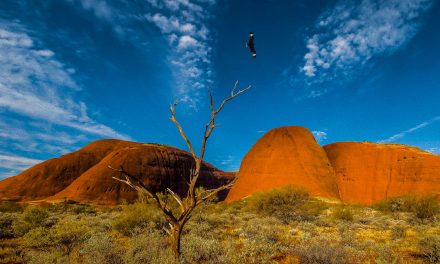
As a source for artistic content I see mountains and ranges as lands including monoliths – outstanding stand-alone geological entities like Uluru; escarpments – Kakadu’s Arnhem Escarpment or the water-worn dissected residuals of places the Limmen National Park region as wonderful inspiration for fine art. Then, of course, we have the dramatic folding ranges like those in and around Alice Springs in central Australia and further west to the Pilbara in Western Australia not to mention South Australia’s fabulous Gammon and Flinders Ranges.
Further east along the Great Dividing Range from the tip of Cape York in Queensland south some 2,300 kilometres this massive range runs all but continuously south through the New South Wales and Victorian Alps until it reaches a giant full-stop, at the north-south running Grampian Mountains in western Victoria. In Tasmania, mountains become more dramatic, sharper-edged, more graphic in silhouette with the Arthur Ranges, Cradle Mountains, Mount Anne and others. And let’s not forget to mention the most ‘stared at’ escarpment in Australia, the Blue Mountains and especially the breakaway Three Sisters.


Misty Mountains
‘Through a spiralling shroud of stillness
wind-songs echo
down
through parapets of antiquity
gently touching craggy spaces
with a softness
that dissolves
only
with the passing of the noonday sun.’
Steve Parish
Images above, top to bottom:
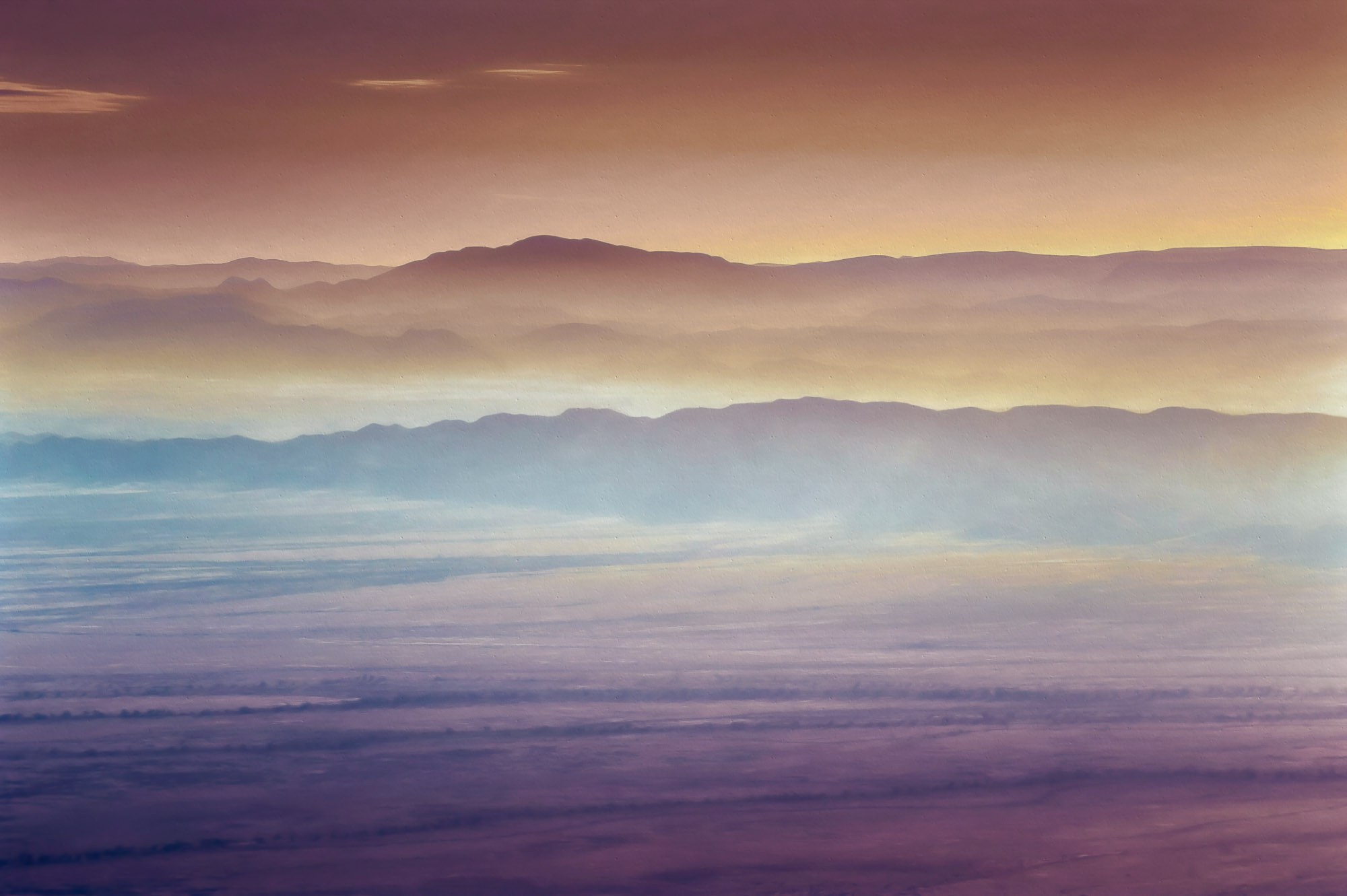
‘A Misty Morning’
A misty morning while ascending Mount Buller National Park, Victoria.
‘Folding Ranges ‘
Alpine National Park is a national park located in the Central Highlands
and Alpine regions of Victoria, Australia.
‘Mount Hotham’
A view to the west from Mount Hotham Alpine National Park.
‘Glasshouse Mountains III’
The Glass House Mountains are located in the traditional lands
of the Jinibara and Gubbi Gubbi people.

A Lost City
Limmen National Park, announced in 2012, is the second largest in Australia covering 10,000 square kilometres in the Northern Territory. This is one of Australia’s most dramatic landscapes.

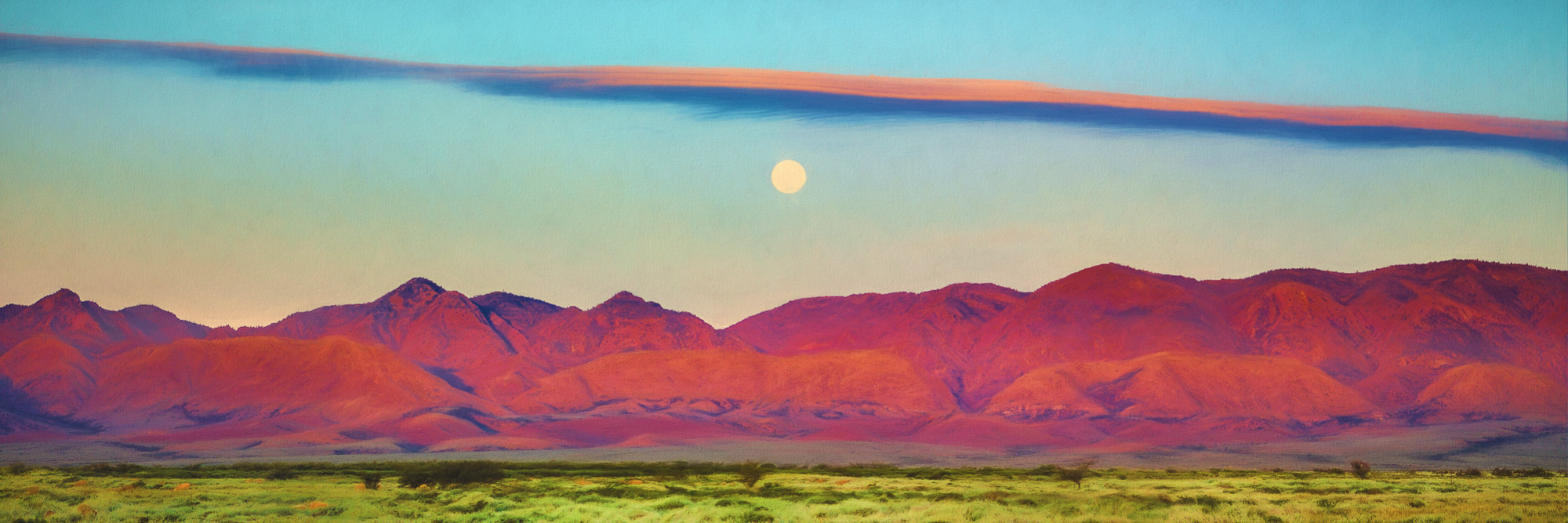
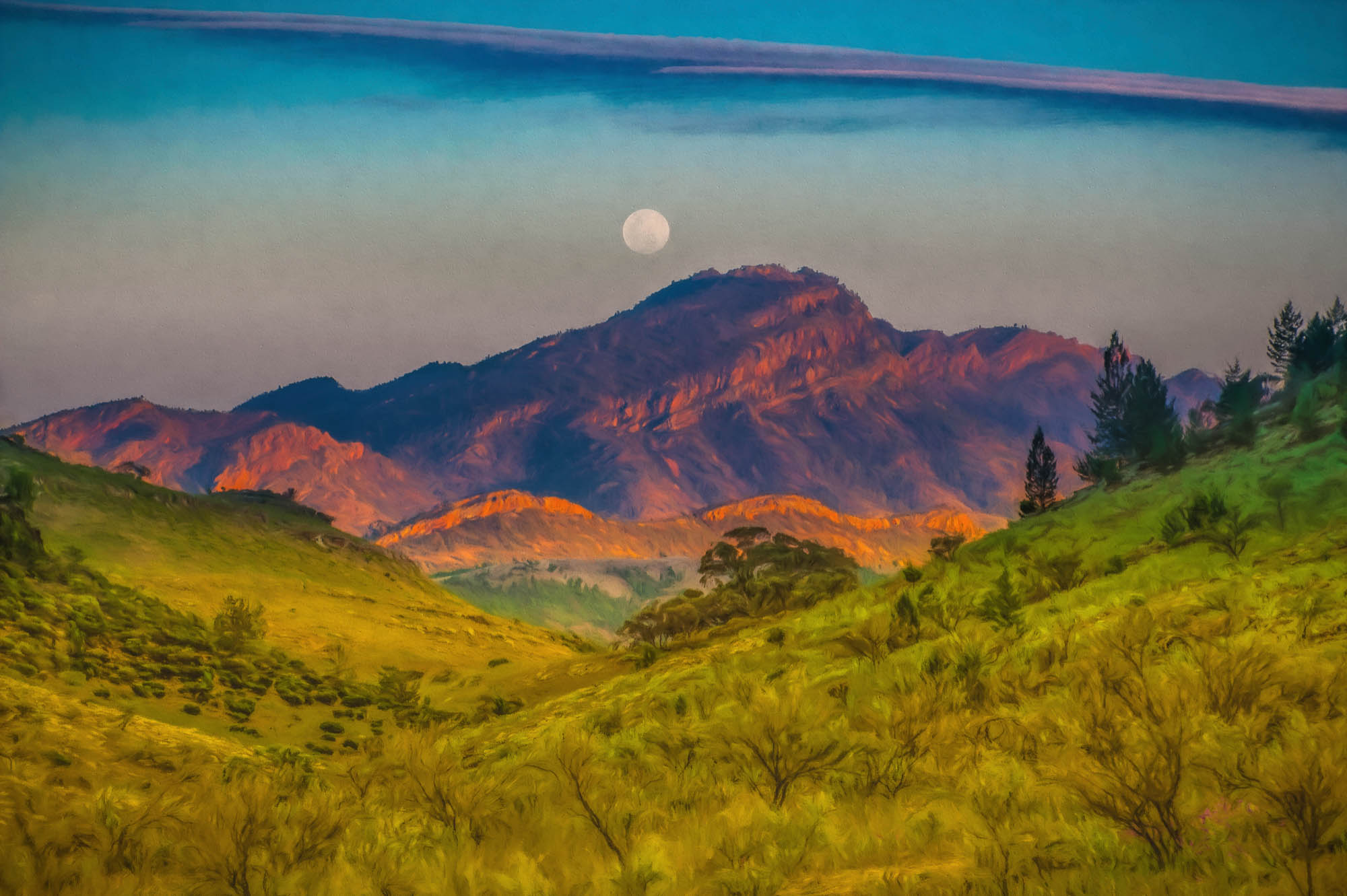
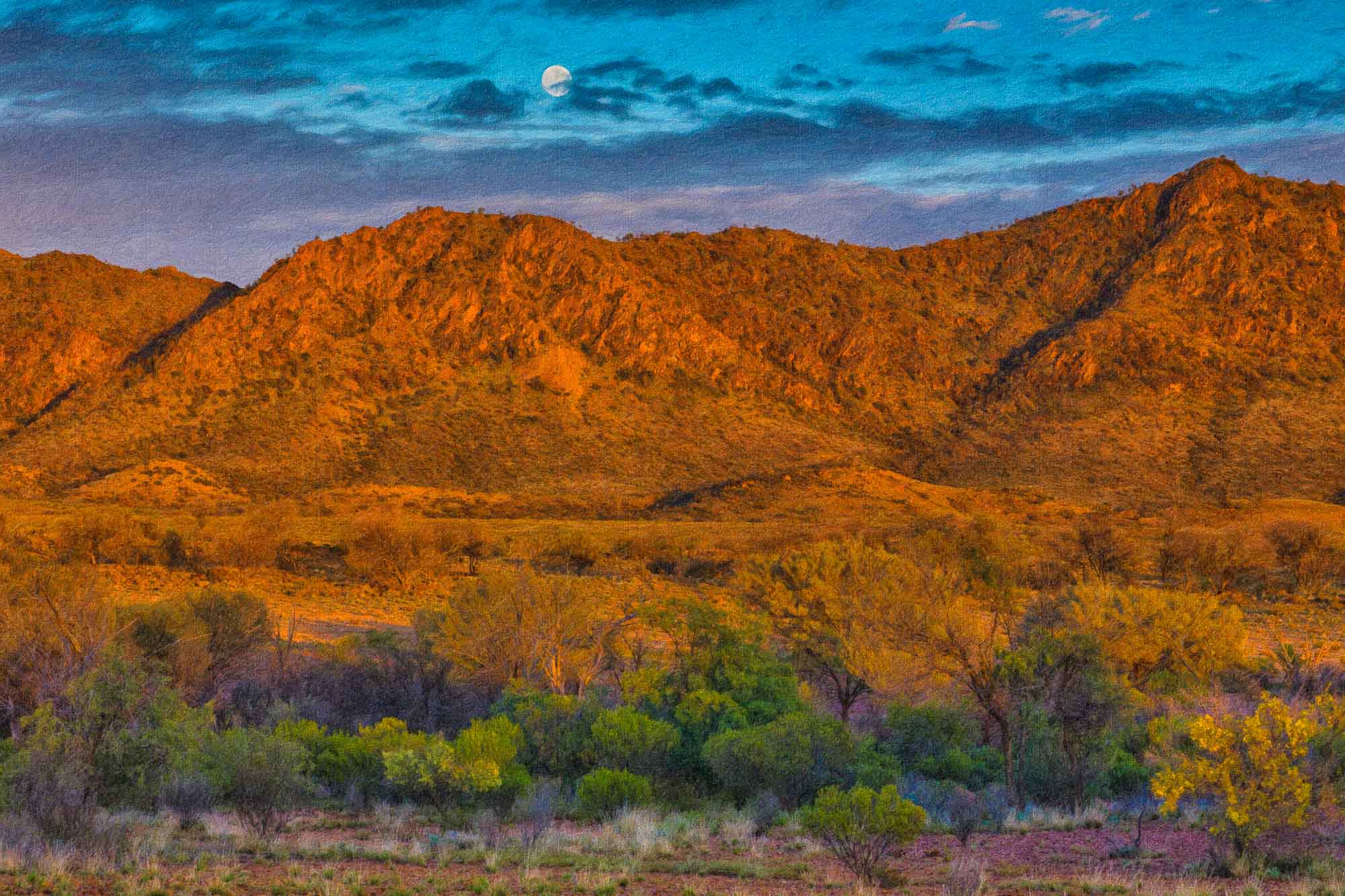
Twilight In The Ranges
Mount Aleek just south of Wilpena Pound during afternoon twilight, Flinders Ranges, South Australia.

South West Cape
The South West Cape is a cape located at the south-west corner of Tasmania, Southwest National Park. South West Cape Range provides a buffer between the cape and the inland wilderness area to the east and north, and the next range to the east is the Melaleuca Range. The high point of the southern end of the range, closest to the cape is Mount Karamu at 439 m. The mount is named after the USS steam ship which foundered off the cape in 1925.

Mount Tibberoowuccum
The Glass House Mountains are located in the traditional lands of the Jinibara and Gubbi Gubbi people. Aboriginal legend tells of how these mountains are members of a family with the father being Mount Tibrogargan and the mother, Mount Beerwah. All of the other peaks are sons and daughters with the eldest being Mount Coonowrin.


The Blue Mountains
Above: ‘Misty Valley’
Jamison Valley, Blue Mountains National Park, New South Wales
Below: Imaginings’
When lost in the magic of the mountains it is hard to imagine that one is standing
on a substrate with a 300 million year geological history; humbling, to say the least.
Blue Mountains National Park, World Heritage Area, New South Wales.

The Balconies
The Balconies, Gariwerd – Grampians National Park, Victoria

Time Travel
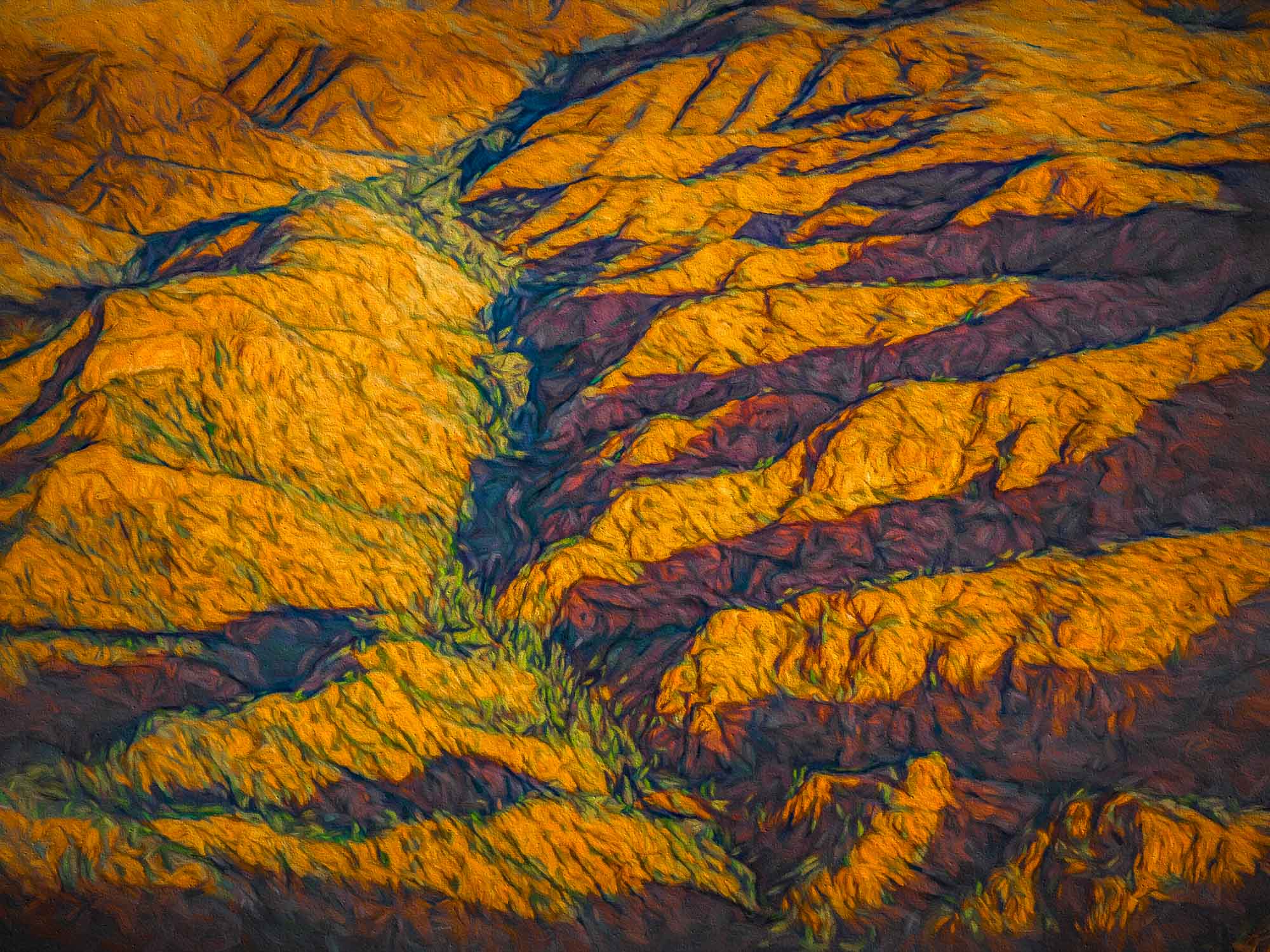
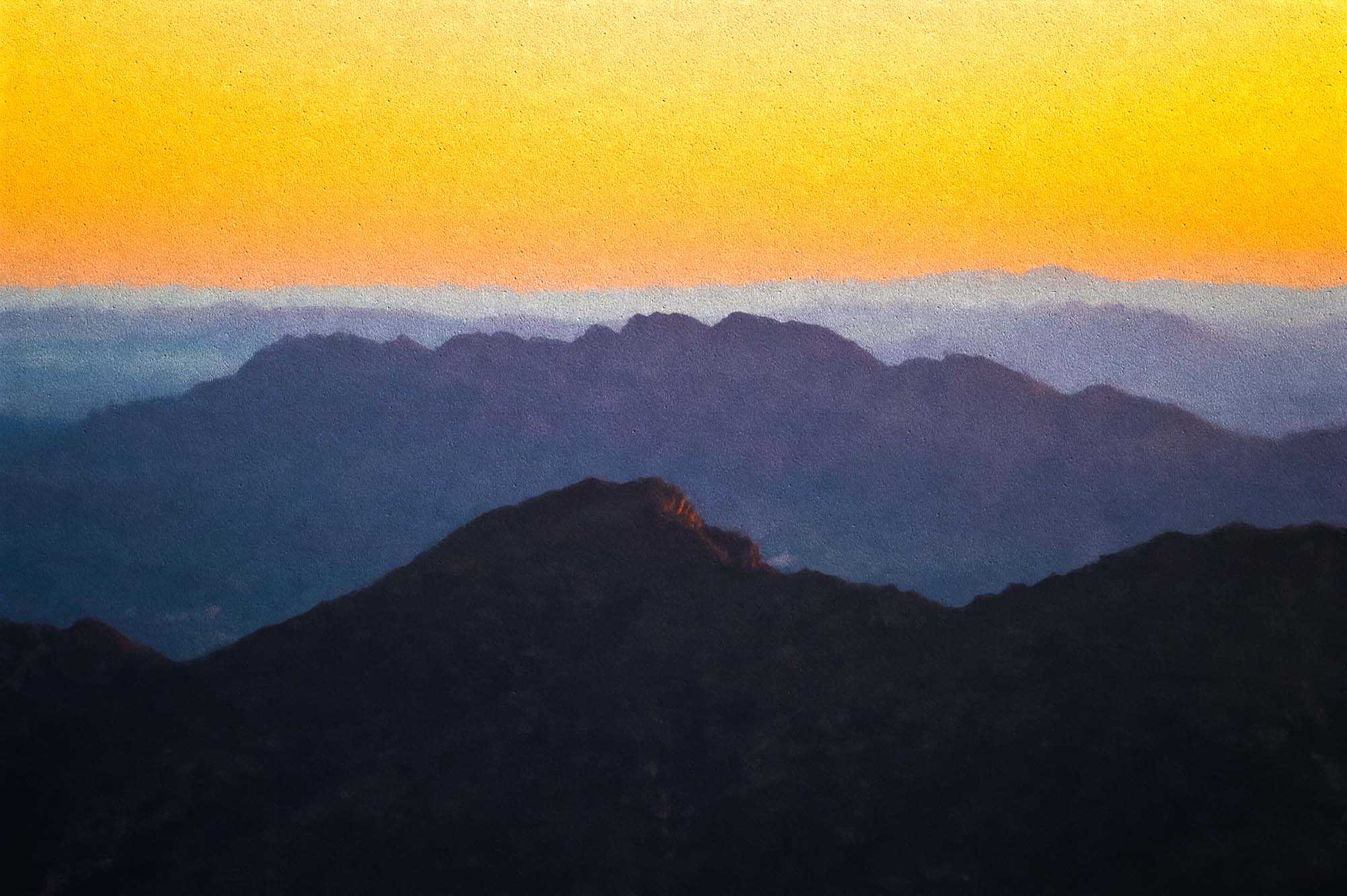
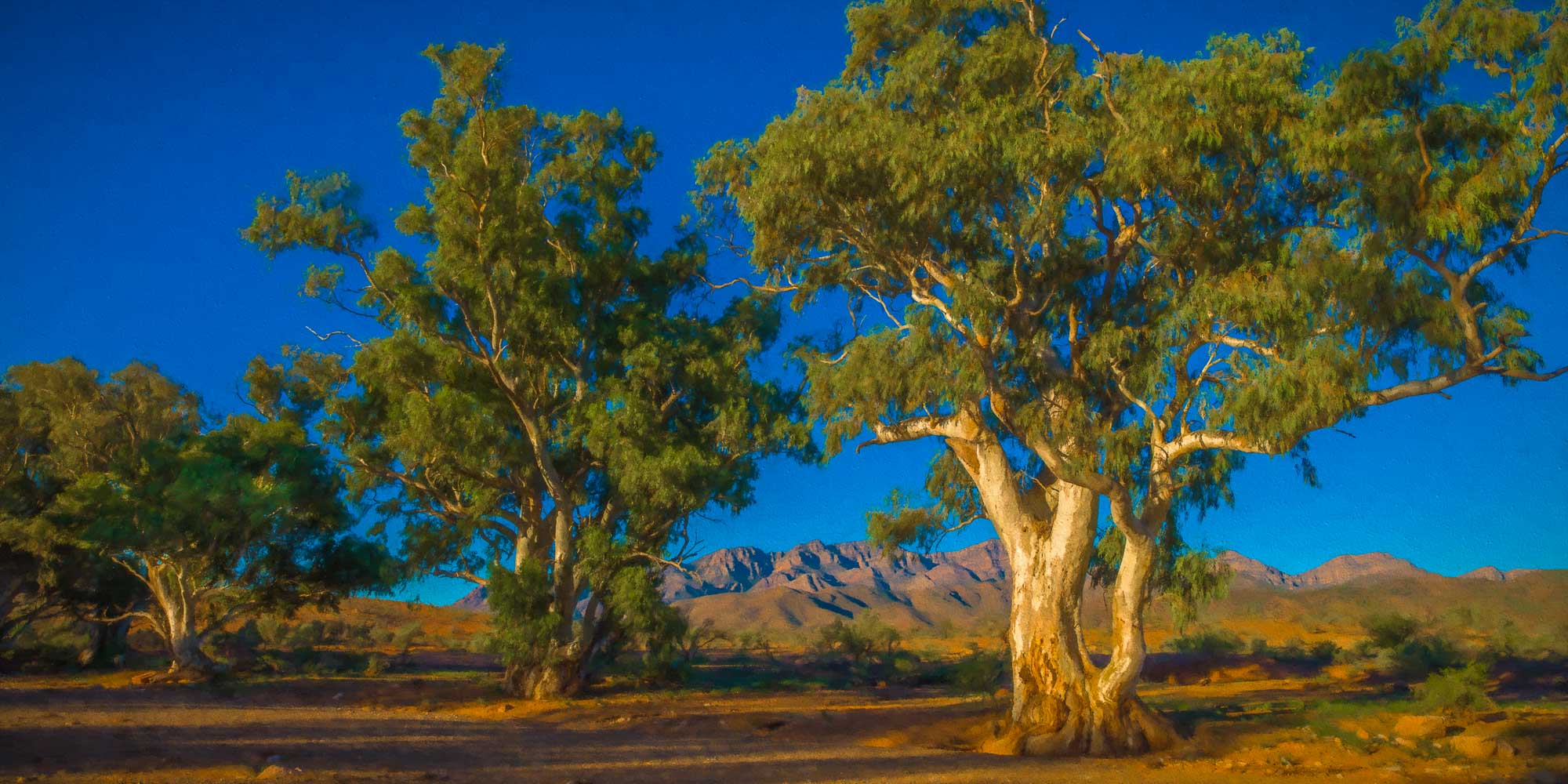
The Adnyamathanha language group, known as ‘the rock people’, roamed freely across this wondrous landscape for generations. This is a landscape rich in human and natural history and it is an area of extreme beauty in terms of the geological structure, colour, tonal and textural ranges and the botanical beauty of pines and river red gums is to die for. Geologists have found rich and distinctive fossil evidence of a wide range of fauna that once abounded throughout. While flying along the rim of Wilpena Pound, I could not help but reflect, way, way back hundreds of millions of years when megafauna roamed these arid rangelands of what is now Ikara-Flinders Ranges National Park.


Continue the journey
If these images resonates with you, you’re welcome to continue in two ways:
explore the Photography: A Pathway to Purpose Masterclass,
or join me for the Art of Seeing Art weekend workshop.