NATURAL HISTORY
Journal Archive
‘To inspire others to regard the natural world as essential to spiritual, mental and physical wellbeing.’
Steve Parish
– Creative Life Purpose
Posts celebrating the diversity of Australia’s ecosystems.
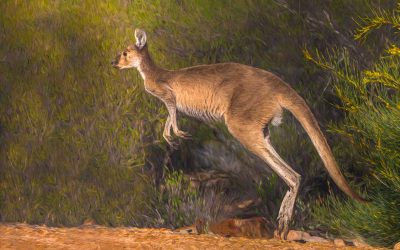
Natural History: Kangaroos and Wallabies
Australian Natural History:Kangaroos & WallabiesText and Photography & text Steve Parish - Profiles Karin CoxEven while I was working with macropod experts in the Queensland National Parks and Wildlife Service, kangaroos and wallabies didn’t capture my...
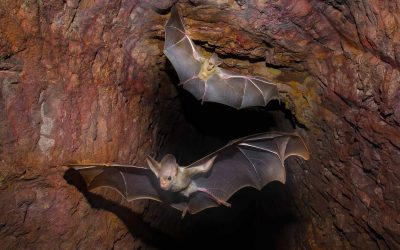
Australian Bats
Australian BatsText Dr Les Hall - Photography Steve ParishBats are one of the fascinating mammal groups and are easily recognised because they are the only mammals with wings. Unfortunately, they are also one of the most misunderstood, feared and persecuted groups of...
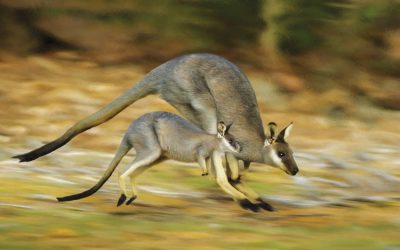
Natural History: A Mammal Connection
Natural History:A Mammal ConnectionPhotography and Text Steve ParishCharles Lamb, an English essayist, humorously suggested in the early 1800s that the newly discovered kangaroo’s short forelimbs were useful for picking pockets. It was satire, of course, a comment on...
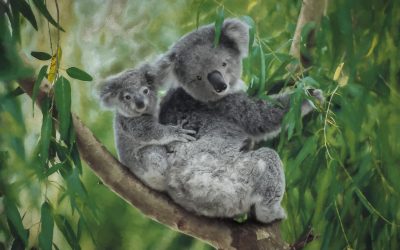
Natural History: Celebrating the Koala
Australian Natural History:Celebrating the KoalaPhotography Steve Parish - Text Karin CoxIn 1803, the Sydney Gazette commented on the first live specimen of a Koala captured by Europeans, stating that “the graveness of the visage ... would seem to indicate a more than...
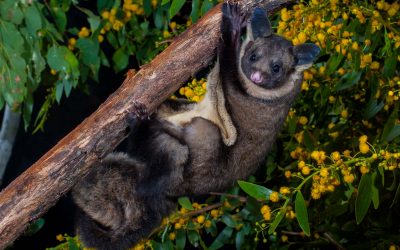
Natural History: Possums and Gliders
Australian Natural History:Possums & GlidersFor some Australians, possums are not at the top of the popularity list when it comes to Australian wildlife. This is primarily due to the brush-tailed possum, the boldest, most wide-spread possum in Australia. This...
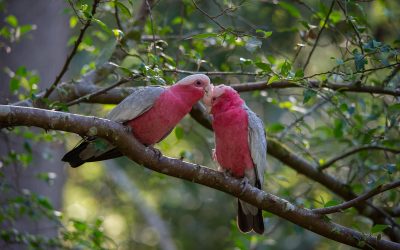
Natural History: Australian Parrots
Natural History:Australia's ParrotsPhotography Steve Parish - Text Karin CoxMore than 330 parrot species inhabit our planet, and Australia is home to about 56 of them. In fact, this continent’s abundance of these birds led mapmakers of the 1500s to annotate the coast...
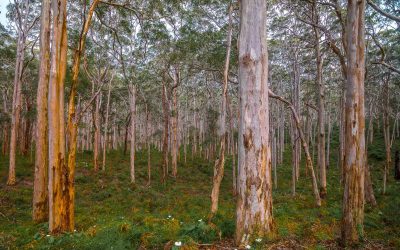
Natural History: Dry Sclerophyll Forests
Natural History:Dry Sclerophyll ForestsText Alan Fox - Photography Steve Parish'2 December, 1642 … an abundance of excellent timber, and a gently sloping watercourse in a barren valley … they had seen two trees about 2 or 2.5 fathoms [c. 4 metres] in thickness,...
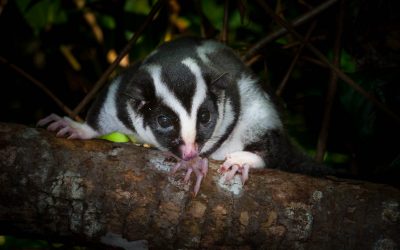
Natural History: Wet Tropical Rainforest
Australian Natural History:Tropical Rainforest‘Rainforest is the single most important biological resource we hold in trust for Australia’s future.’Professor Michael Archer in Conserving Australia’s Rainforests, Aila Keto and Keith Scott, 1995Text Alan Fox -...
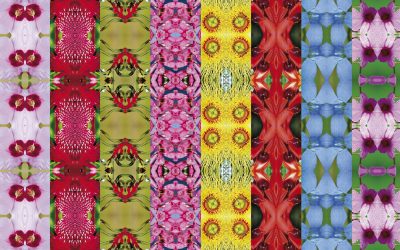
Natural History: Australia’s Floral Emblems
Natural History:Australia's Floral EmblemsMost nations of the world select a special flower, tree or fern as a floral emblem. South Africa has — the Protea, Japan — the Cherry Blossom, England — the Rose and New Zealand — the Silver Fern. The shape of the chosen plant...