

Science and Photography: A Pathway to Purpose
You never know where your first project may lead:
Projects may be born in many ways, but for me, most projects begin with a casual interest in some new, visually appealing content. As my images are catalogued, I see a project forming. But the projects that grab you might not necessarily grab everyone else.
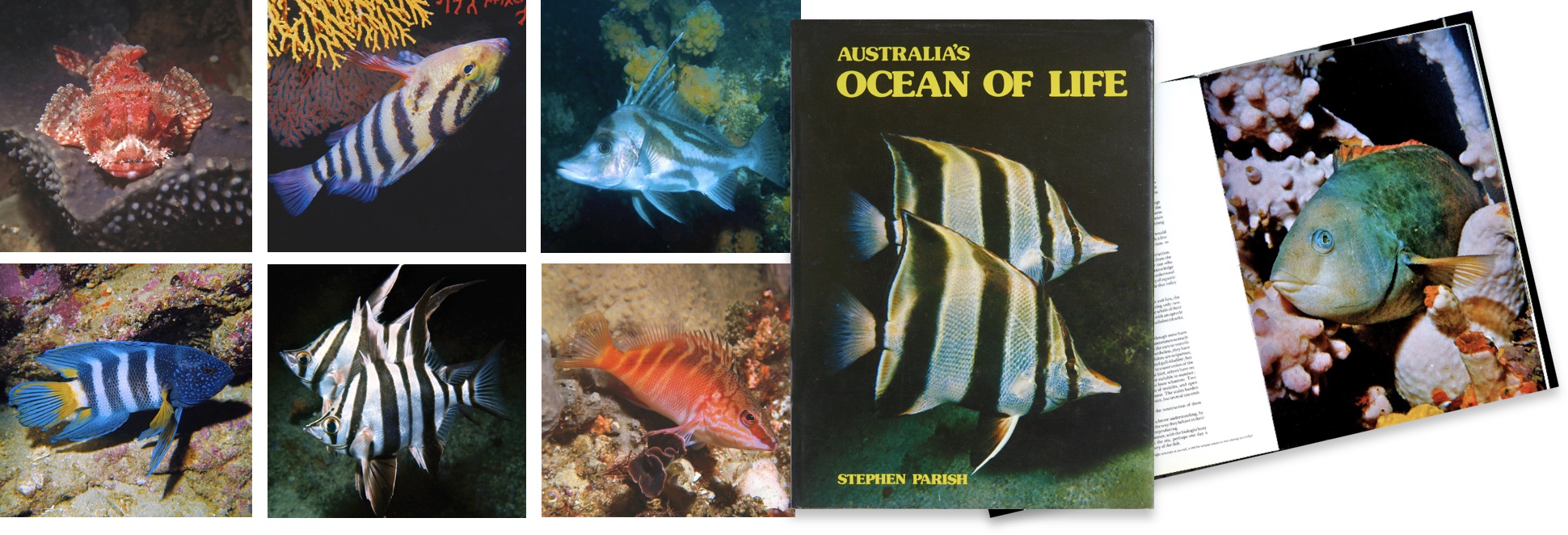
Early in my career, I was besotted with fish, so I created a book about my adventures photographing them. In 1972 Australia’s Ocean of Life took five years to sell 3000 copies! What went wrong? I had simply assumed that everyone loved fish as much as I did! At the time, it was the best thing I ever did. Watching the blank pages go through the clunky, one-colour printing press really got me going, and I fell deeply in love with the printing and publishing industries. Now, millions of imprints later, all I can say is ‘Bugger the sales!’ The bottom line is that you never know where a project might lead you. Of course, I didn’t know it at the time but this first project would ultimately lead to a life long career publishing the natural history of Australia.

The fish the launched a career in science and photography
The senior curator of fish at the Australian Museum, Dr John Paxton, interested in pineapple fish, also known as knight fish (Clidopus gloriamaris), had studied the symbiotic bacteria that inhabit a depression on the fish’s lower lip. When the fish withdraws a thin, concealing membrane, the bacteria glow red, becoming a “headlight” that can illuminate prey on the seafloor. After receiving a tip-off, and with the hope of winning John’s favour, I captured four specimens and handed them over to the museum. The strategy worked! John had never worked with living fish, and now he could study living fish in a large saltwater aquarium. I was a mere twenty years of age, and my aim was to “get inside” the museum, learn more about how it functioned, and have my pictures identified by experts. This open-door opportunity launched decades of interest in Australia’s marine fish’s taxonomy and natural history.
Image > Knight fish Sydney Heads, Sydney
A Career Backstory
Low self-esteem plagued my adolescent and teen years; however, thanks to the encouragement I received from marine scientists at the Australian Museum in Sydney, this soon changed. In the late sixties and early seventies, senior curators of marine fish and marine invertebrates were rarely divers. As a result, they were thrilled to receive living specimens or colourful, detailed photographs of these difficult-to-study creatures. Most marine fish lose their vibrant colours when they die, and many differences in colour between the sexes or undergo several colour variations throughout their lives. Now it is widely accepted that fish colour variations and the multitude of sizes, shapes, and behaviours they exhibit are often first documented, or most extensively documented, using colour photography or film. In those days, we were pioneering this field.
To think I was doing “pioneering” work did wonders for my self-esteem. Despite this, being able to effectively describe the behaviour I was observing and to pronounce Latin names and scientific terms remained a challenge. I gave several scientists some good laughs as I trudged my way up a very steep learning curve! Looking back, I can see two things that motivated me in a recurrent pattern — naivety and passion.


Drafted to Paradise
After diving all around Sydney and Port Hacking, Jervis Bay’s clear waters were sensational, and the marine life was just breathtaking, especially in waters more than 30 m deep. I had plenty of opportunities to explore the shallow and deep reefs, seagrass meadows, and sandy and muddy bottoms of this vast temperate marine wonderland. It was a wild place that, in those days, was unknown to all but a few divers.
What these cooler temperate waters lacked in species diversity, when compared with the northern tropical waters, they made up for in the unique and bizarre submarine animals they did contain. Fish like the butterfly gurnard, the pineapplefish with its tiny headlights, boarfish and the beautiful eastern blue devil had a tremendous visual impact. Before long I worked out the best sites for taking photographs. Being airborne almost daily in my work as a Navy search and rescue diver gave me a great advantage, and I often planned my next dive from the air, seeking out the calmer waters.
A Life Purpose Develops
Along with honing my photographic skills, in 1967, I began to explore my abilities as a writer and naturalist. With my father as an editor, I ploughed headlong into writing about my experiences. Fortunately, my inexperience and a lack of other publications to compare with (there was no Google in those days) protected me from criticism. It was not until years later, after the release of my first book, that I received some critical comments from academics. My first book, Oceans of Life, was reviewed in the Sydney Morning Herald: “While containing excellent photographs, the text could be described as a classic work of anthropomorphic writing”. I had to look up what anthropomorphic meant in the dictionary! I was shattered. In those days, writing about animals from a human perspective or bestowing them with emotions or recognised human behaviours was a naturalist’s greatest sin. I did not write for two years. How easy it is to allow criticism to dash your dreams, especially when those dreams are in their formative stages.
I decided to develop my writing skills and also to photograph every Australian marine fish in its natural habitat, little realising there are more than 4000 species! How sweet naivety is! Still, I pursued my dream and took every opportunity to photograph fish. The addition of other animal groups to my list of fascinations soon began to curtail my initial objective, and I can admit to you that I have not photographed every single Australian fish species and probably never will! Today, I appreciate that it does not matter how many species I have photographed; what matters is that the life stories of Australia’s fish are told so that others respect their position as living wonders and care about fish sustainability and the health of our oceans.
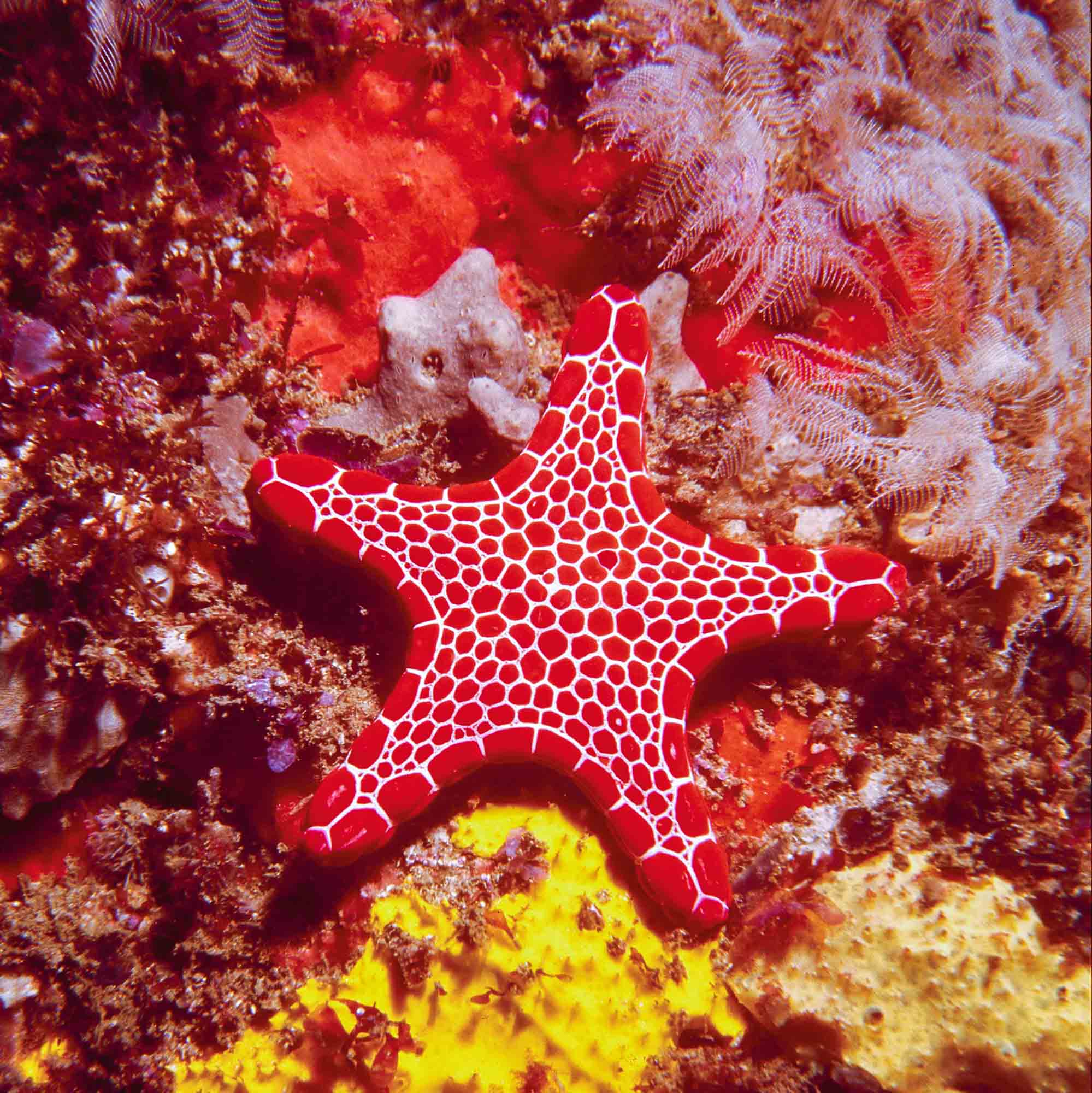


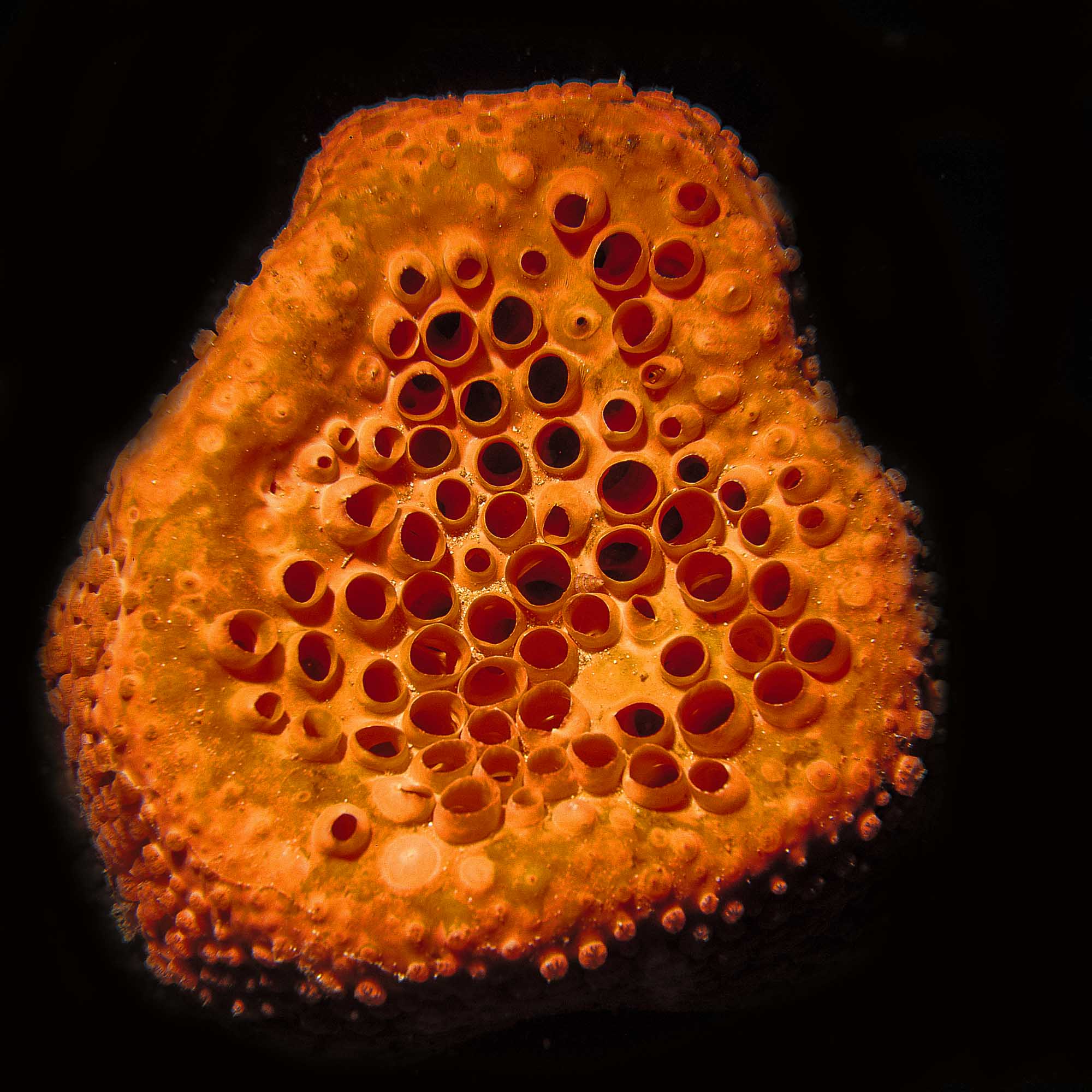
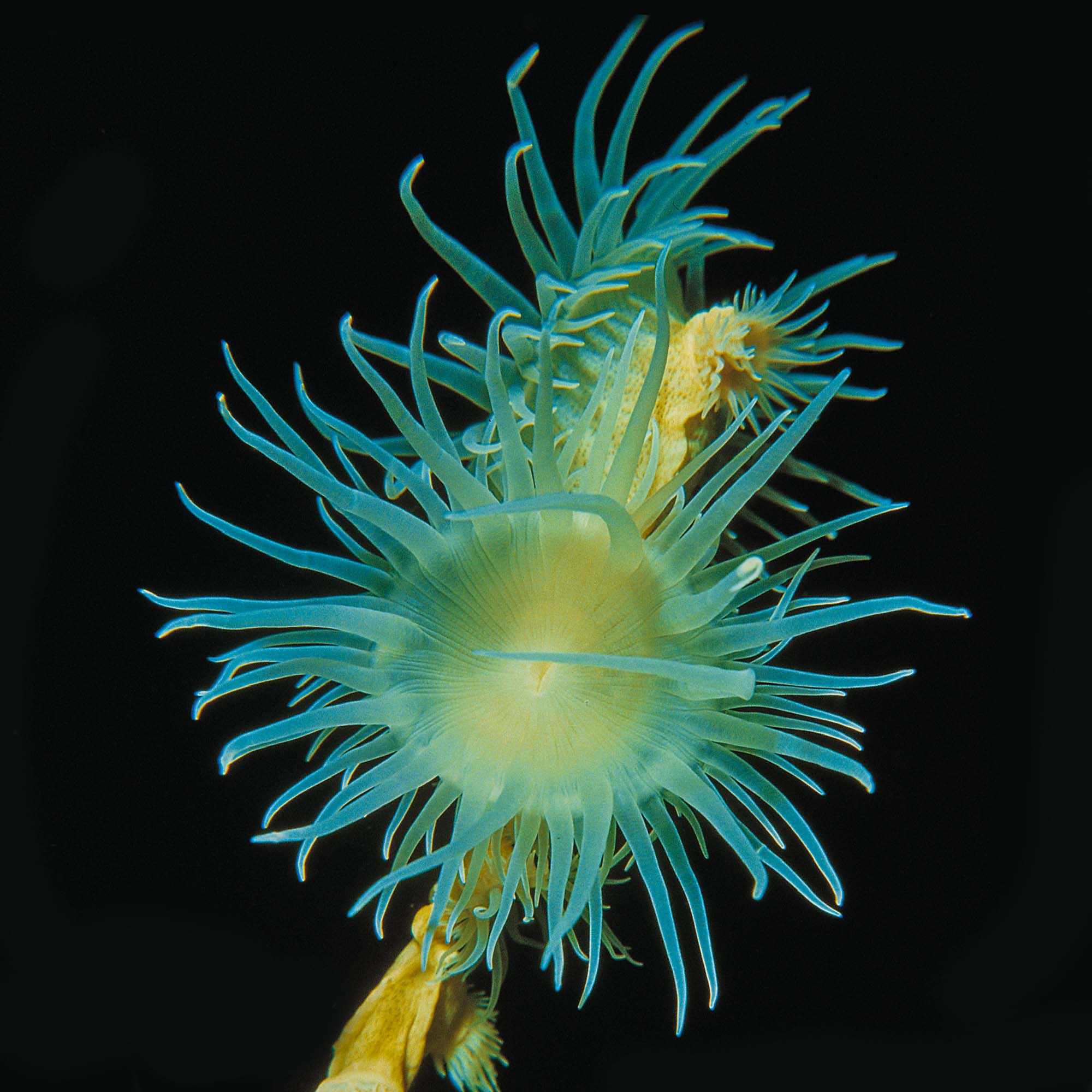
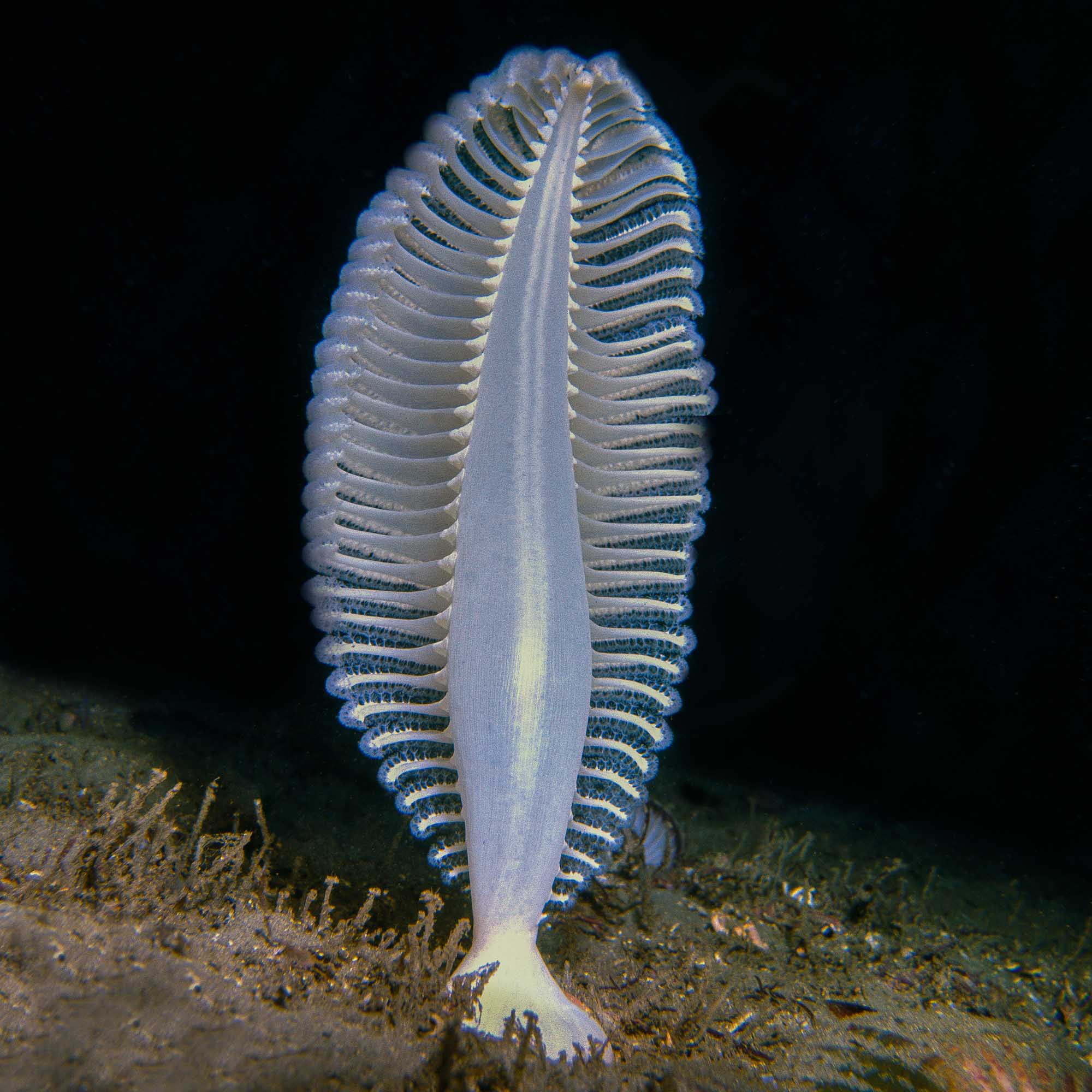
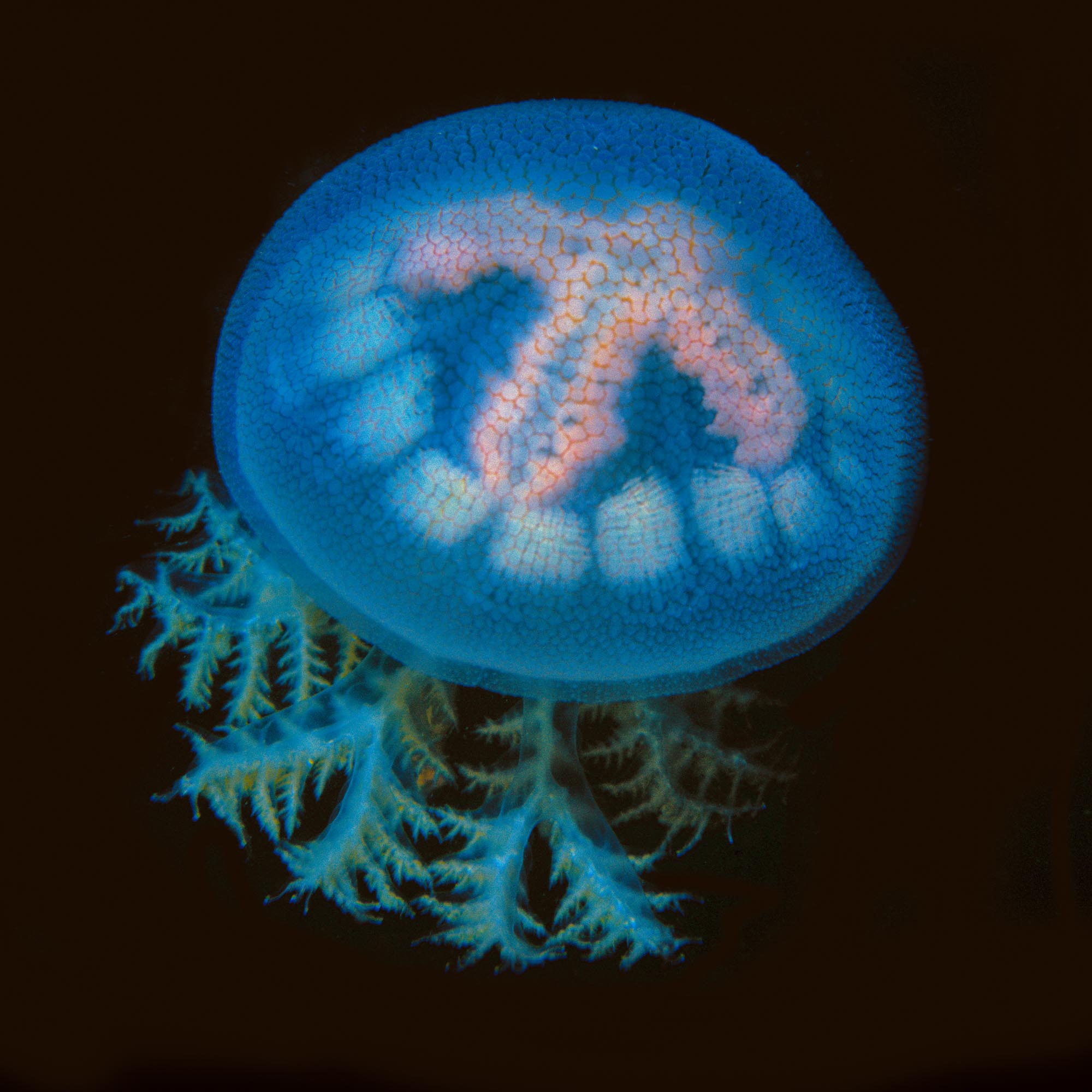
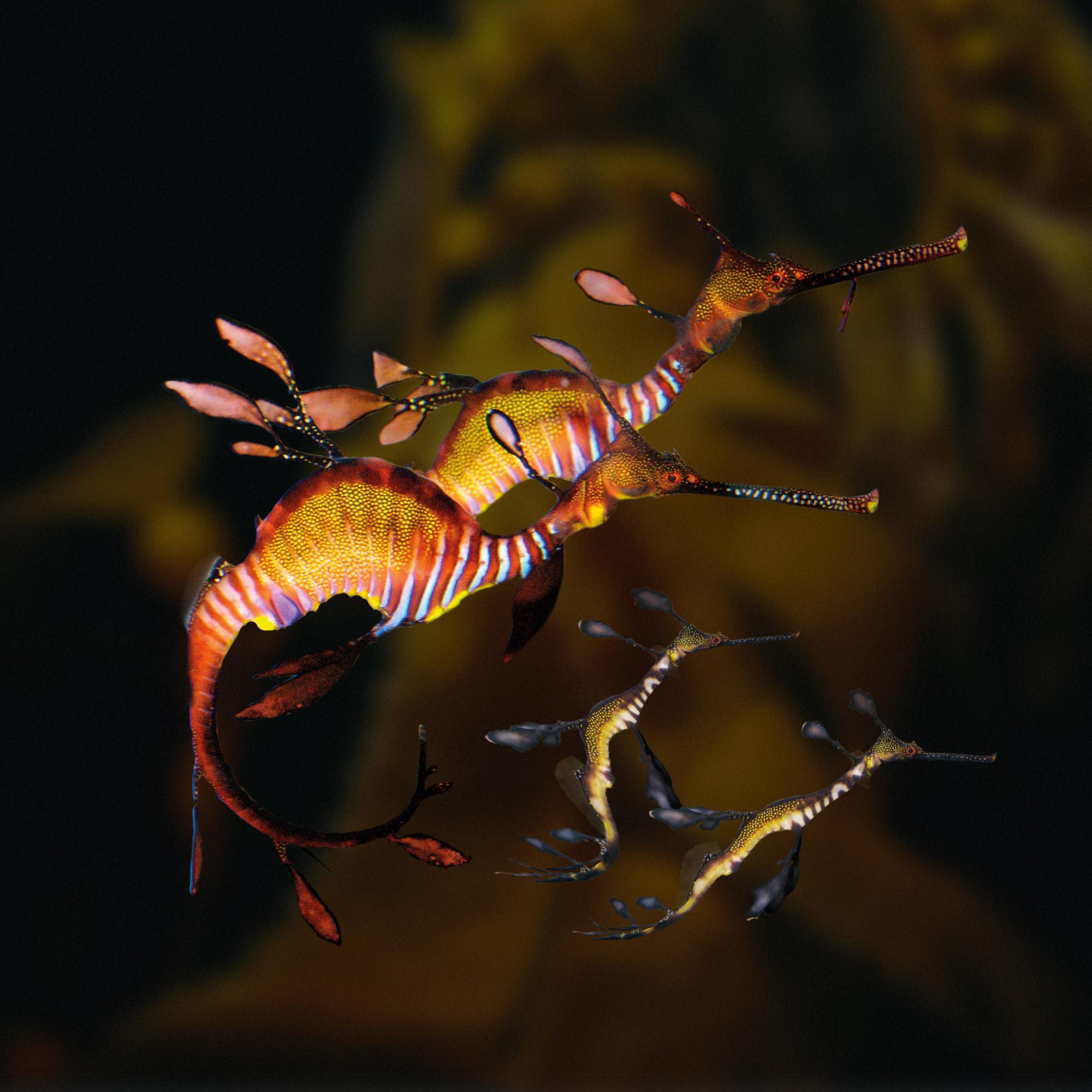
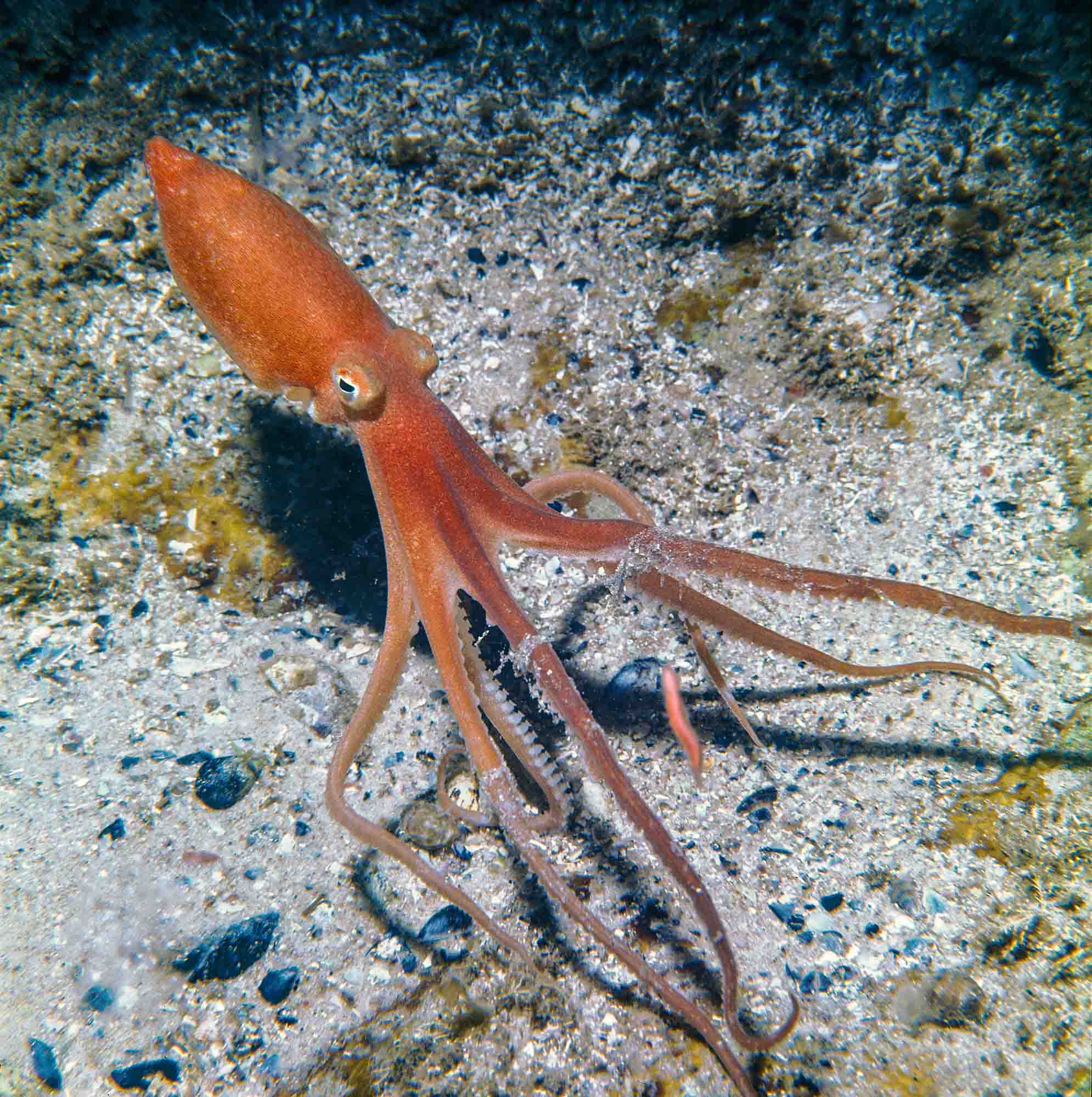

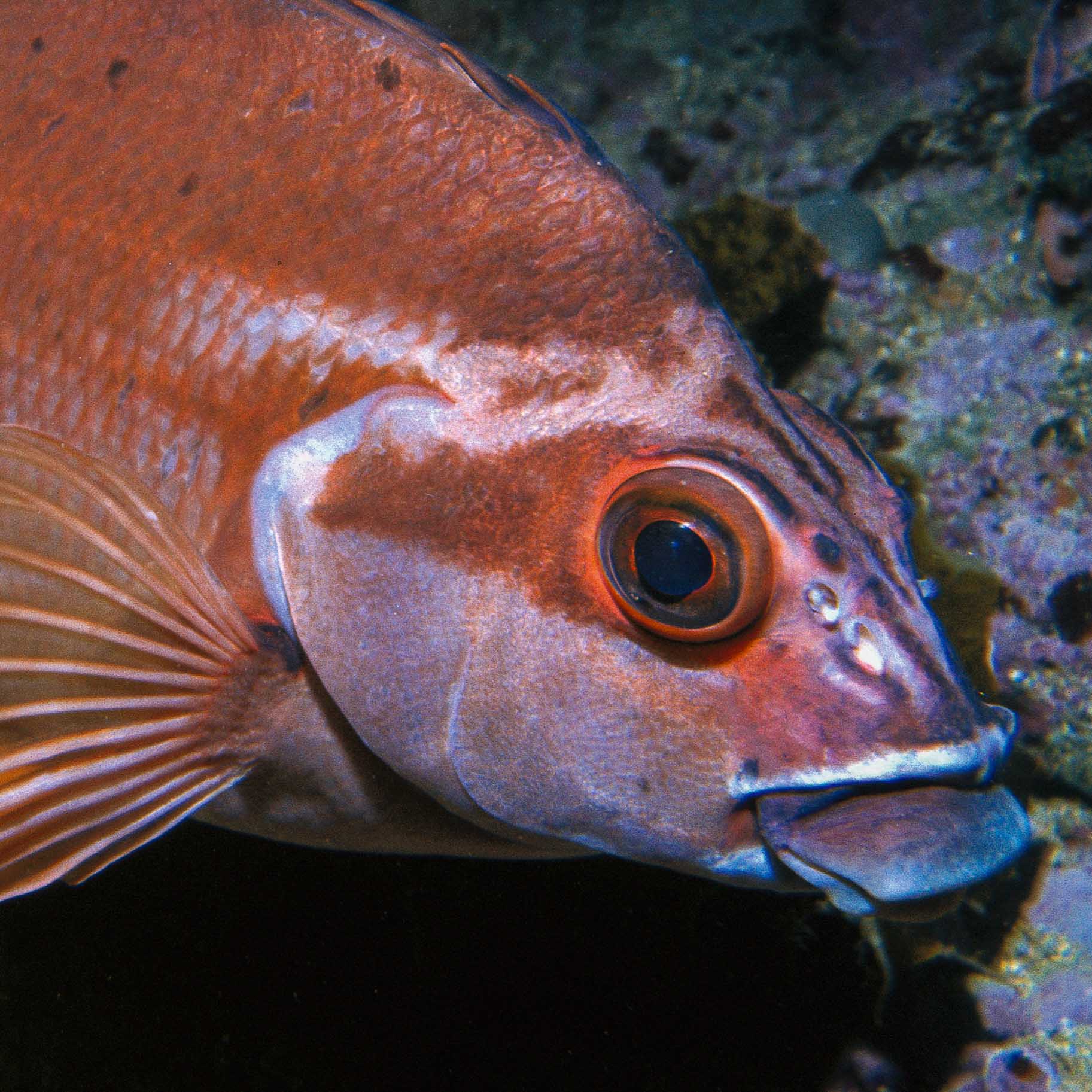
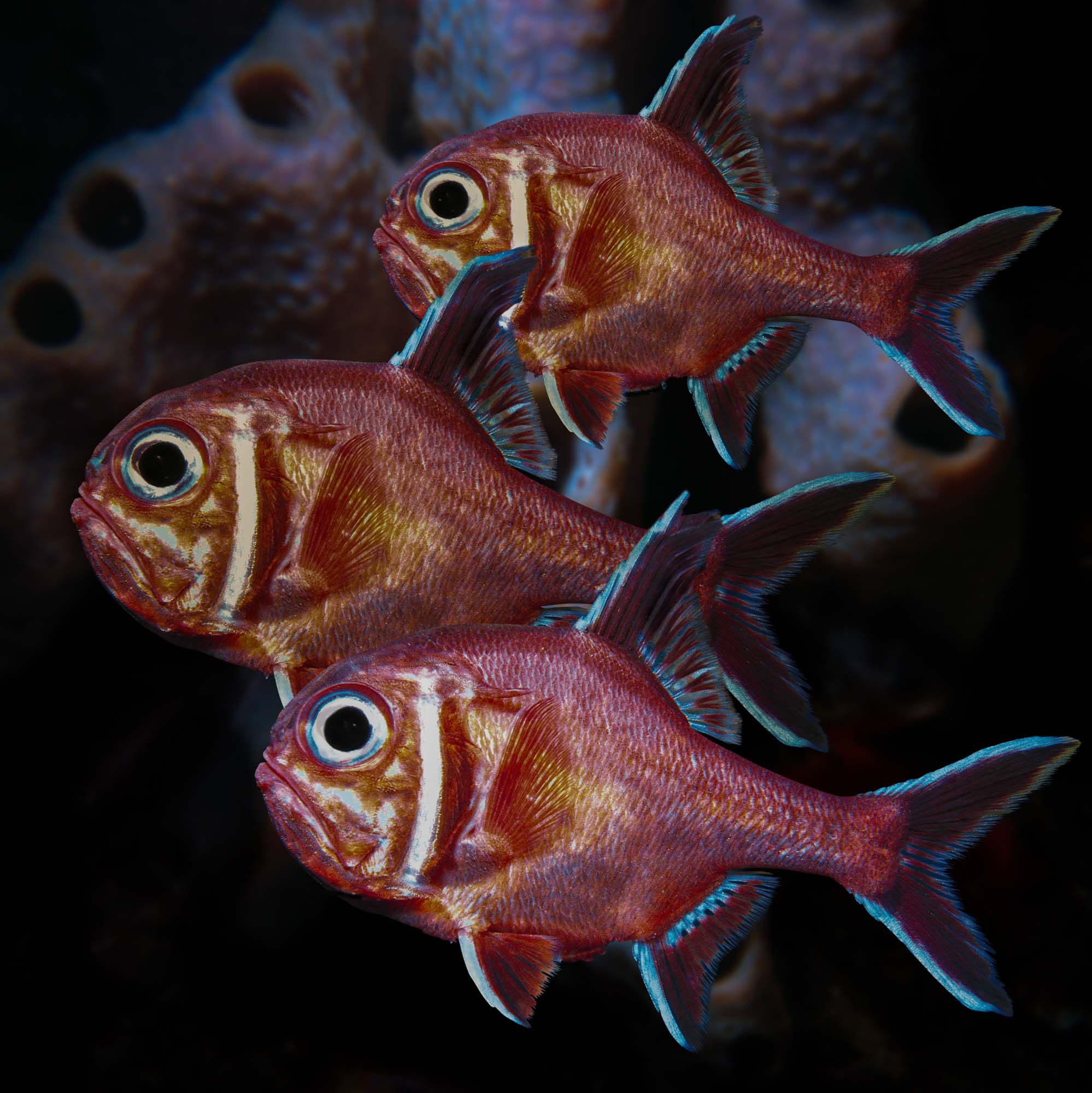
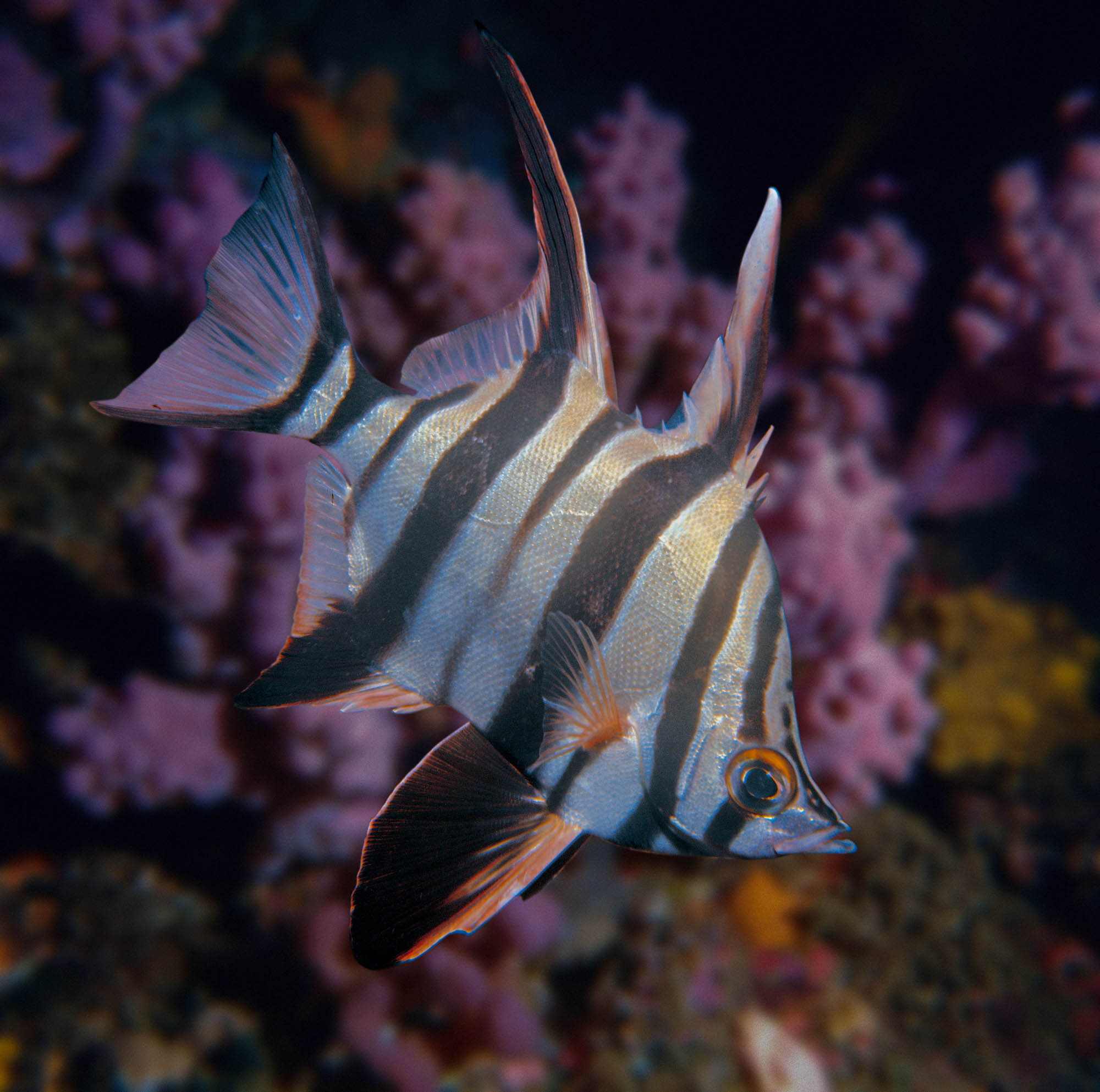
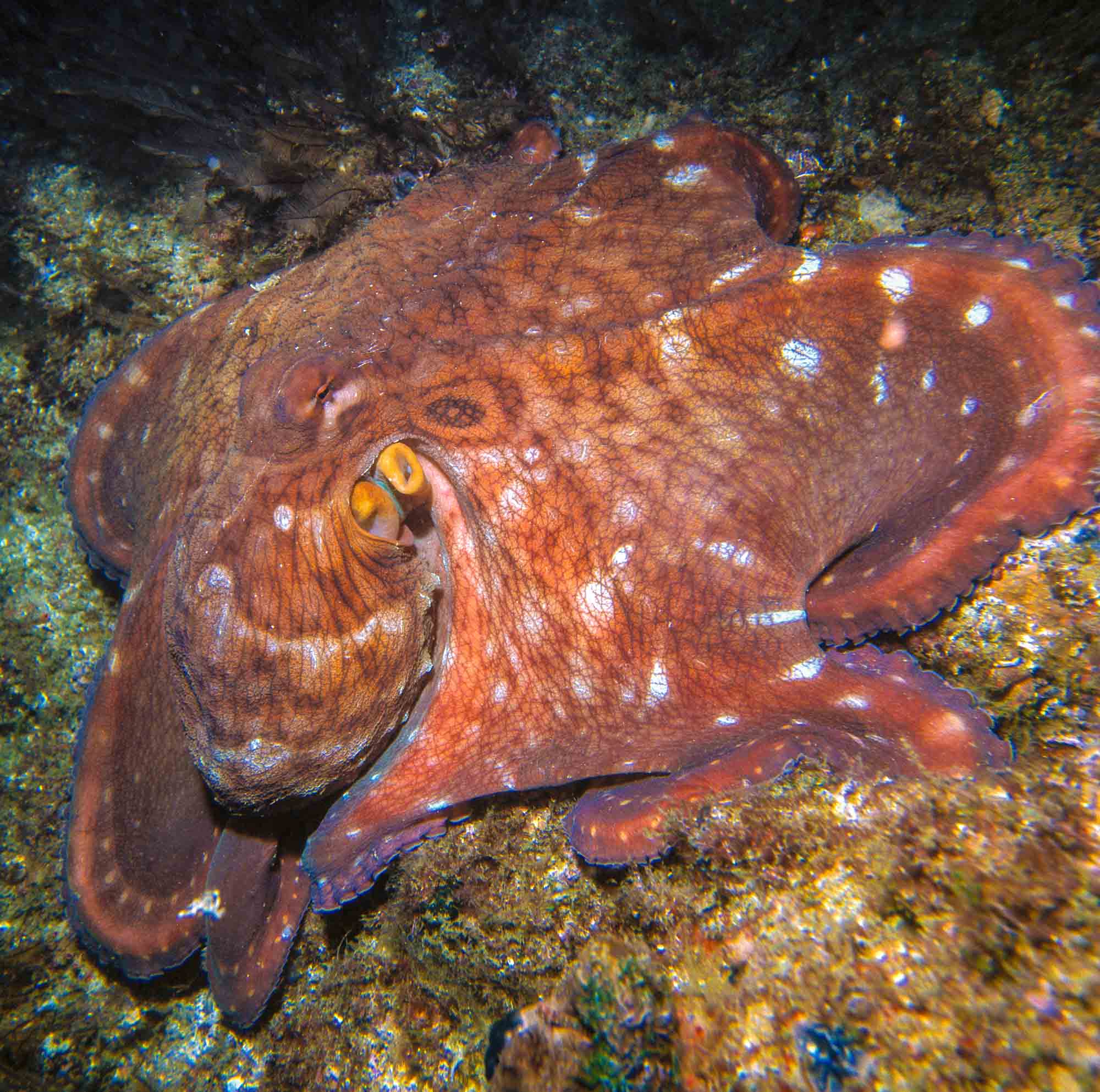

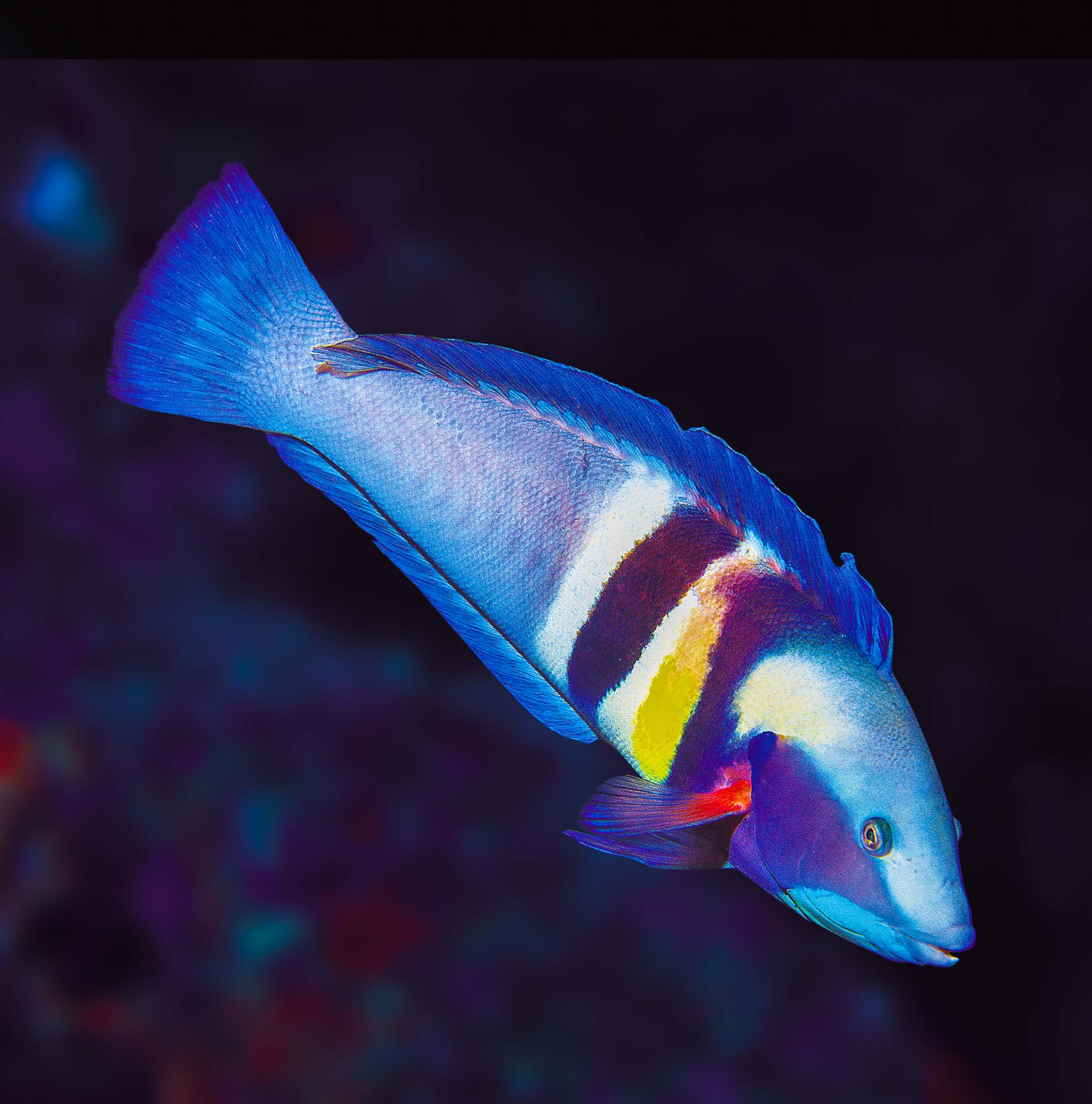
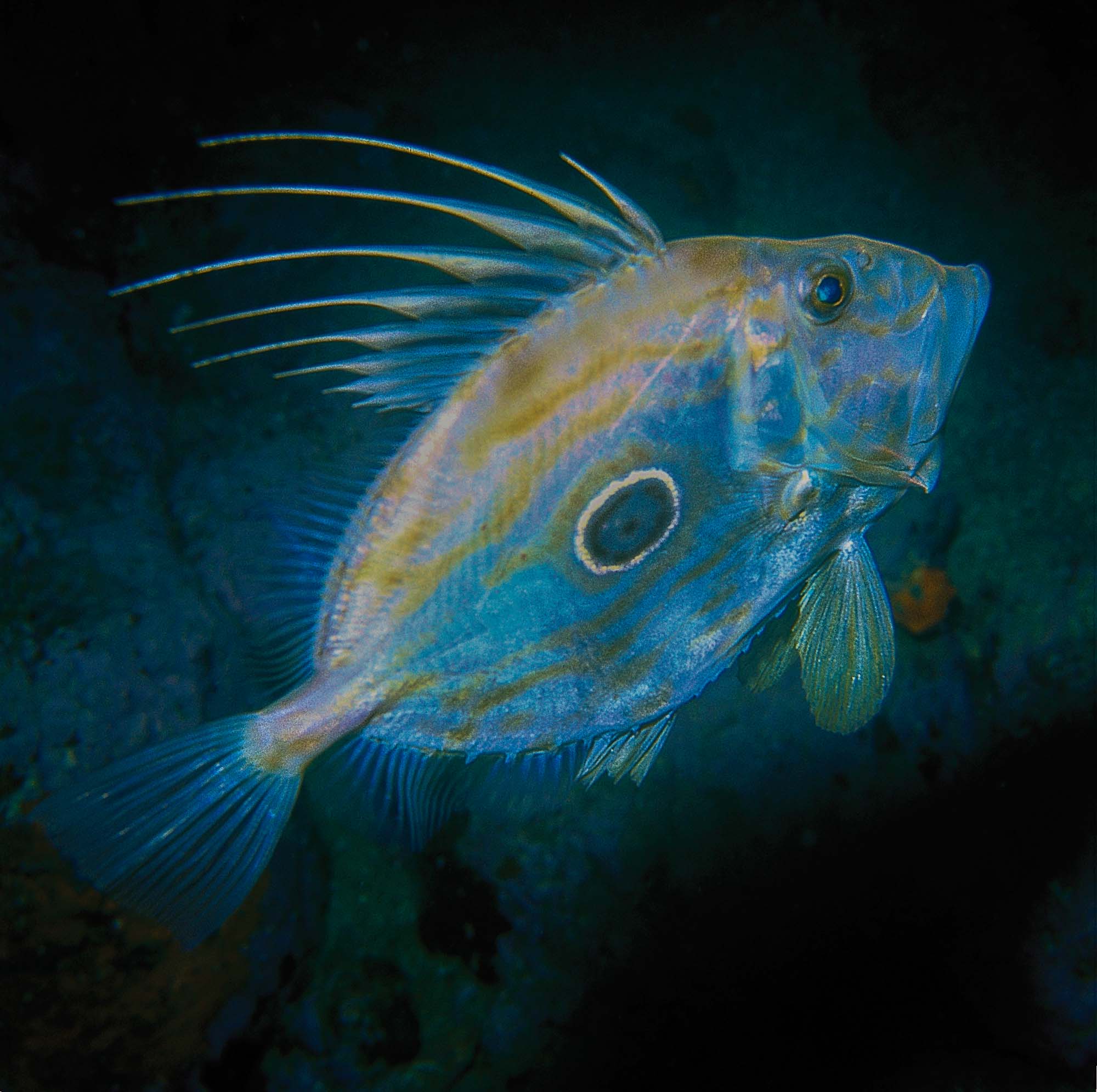
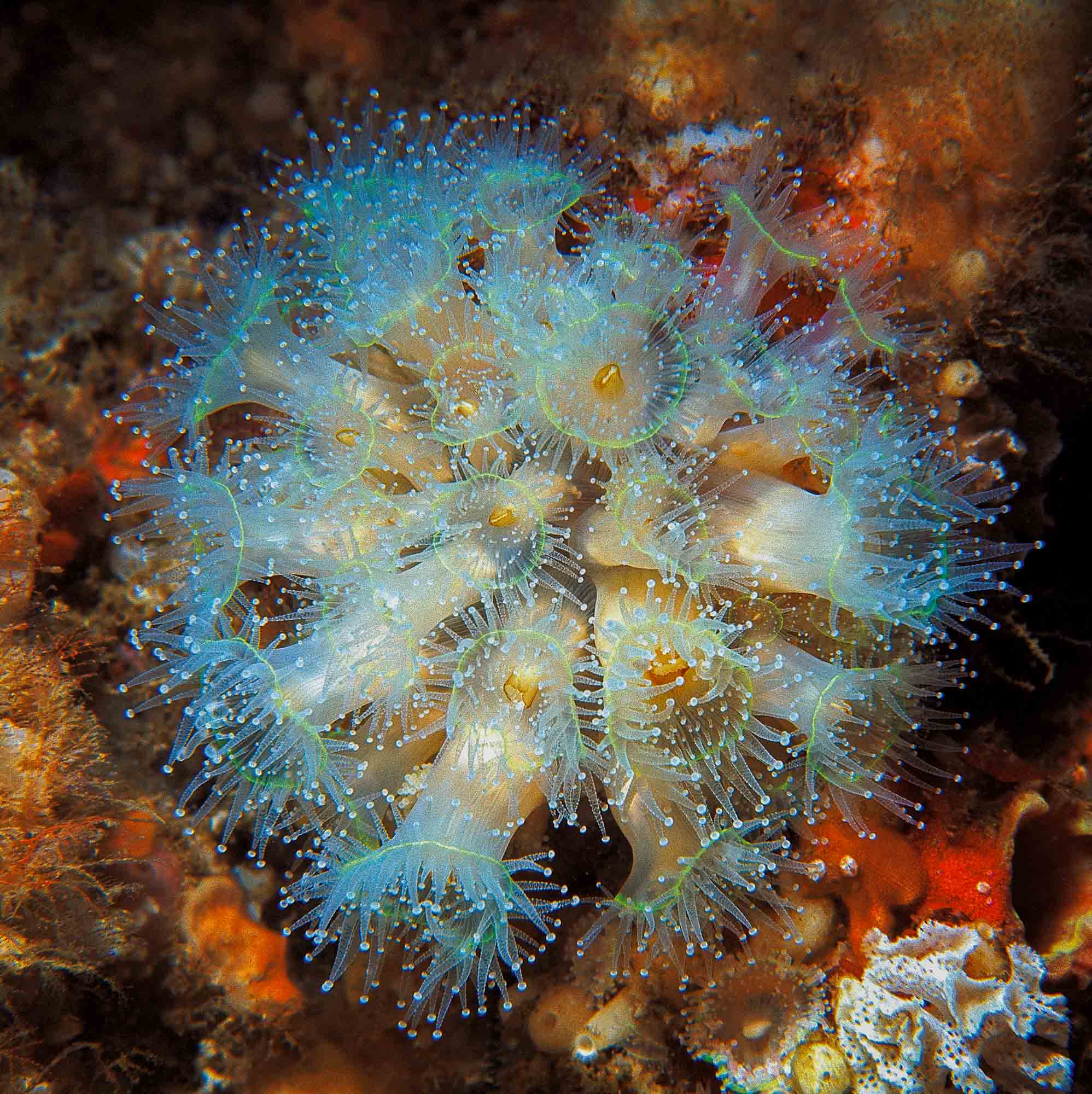

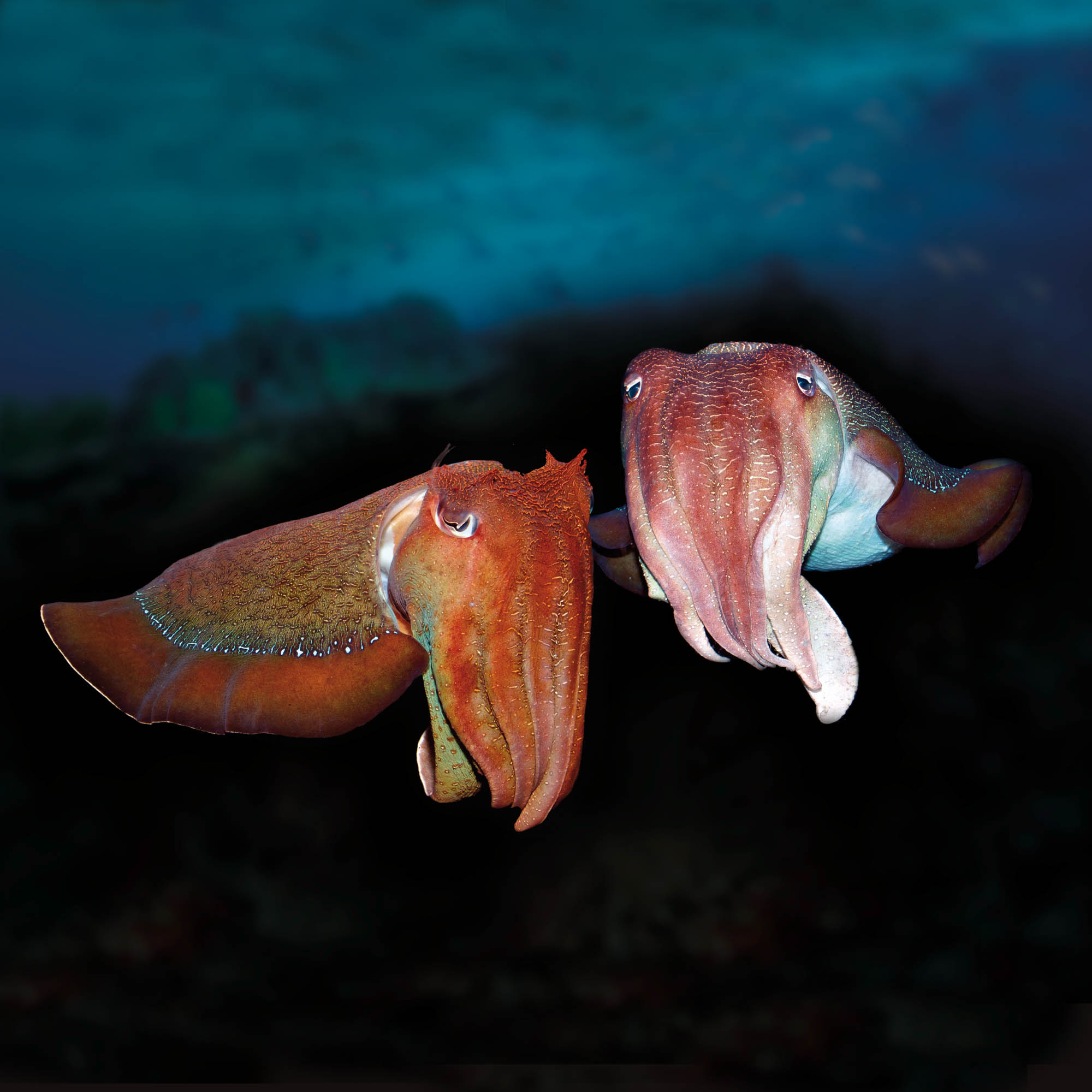
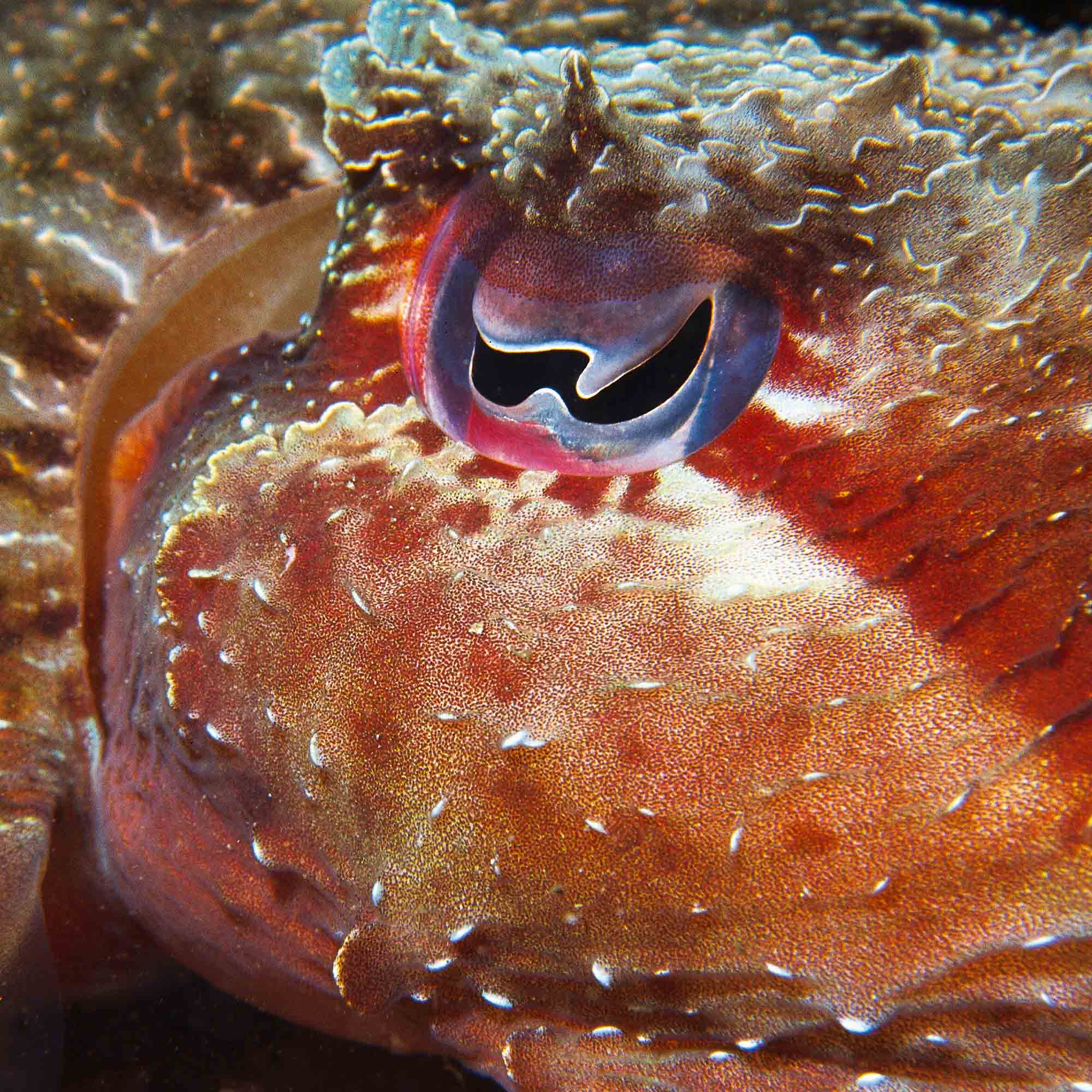
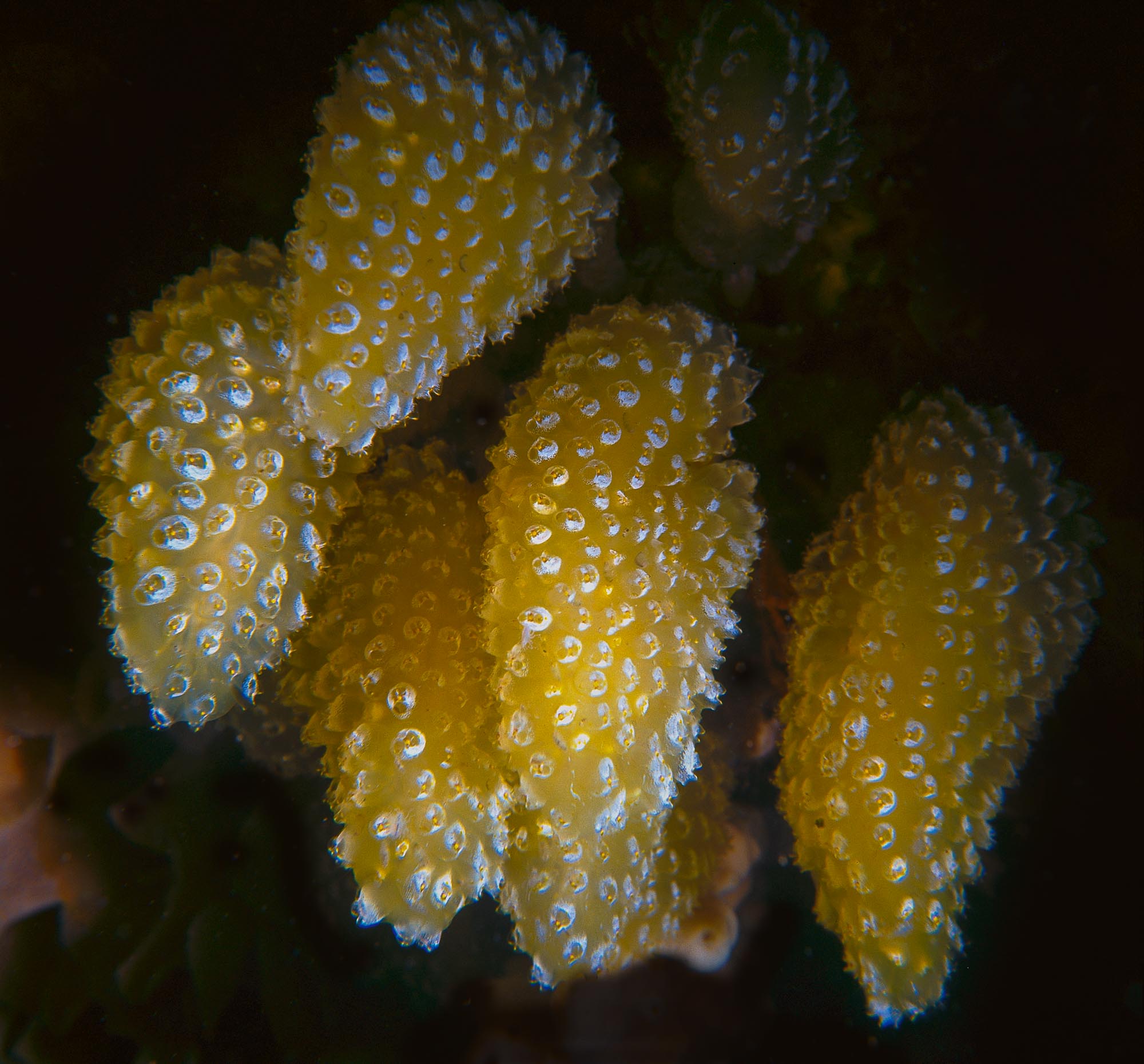
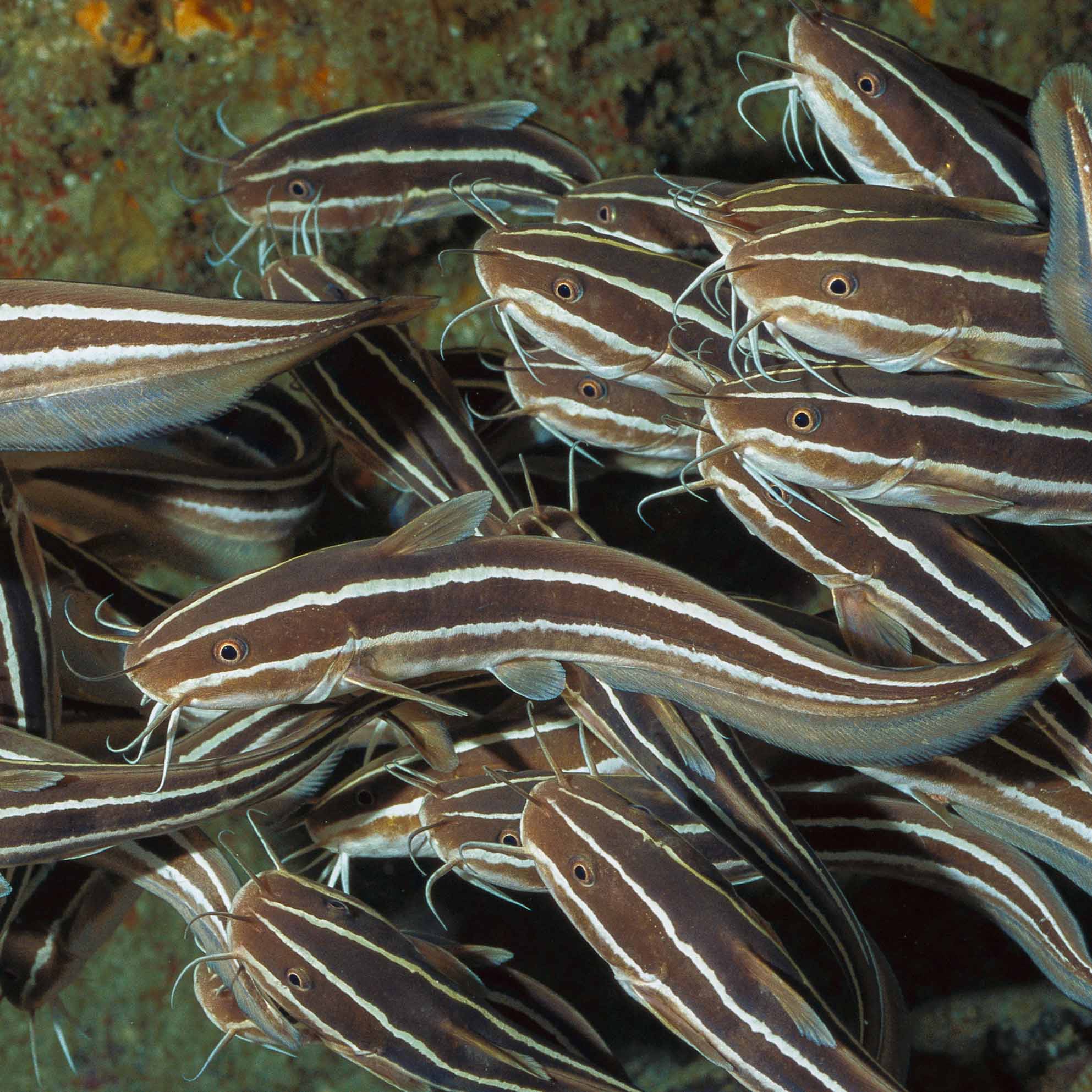
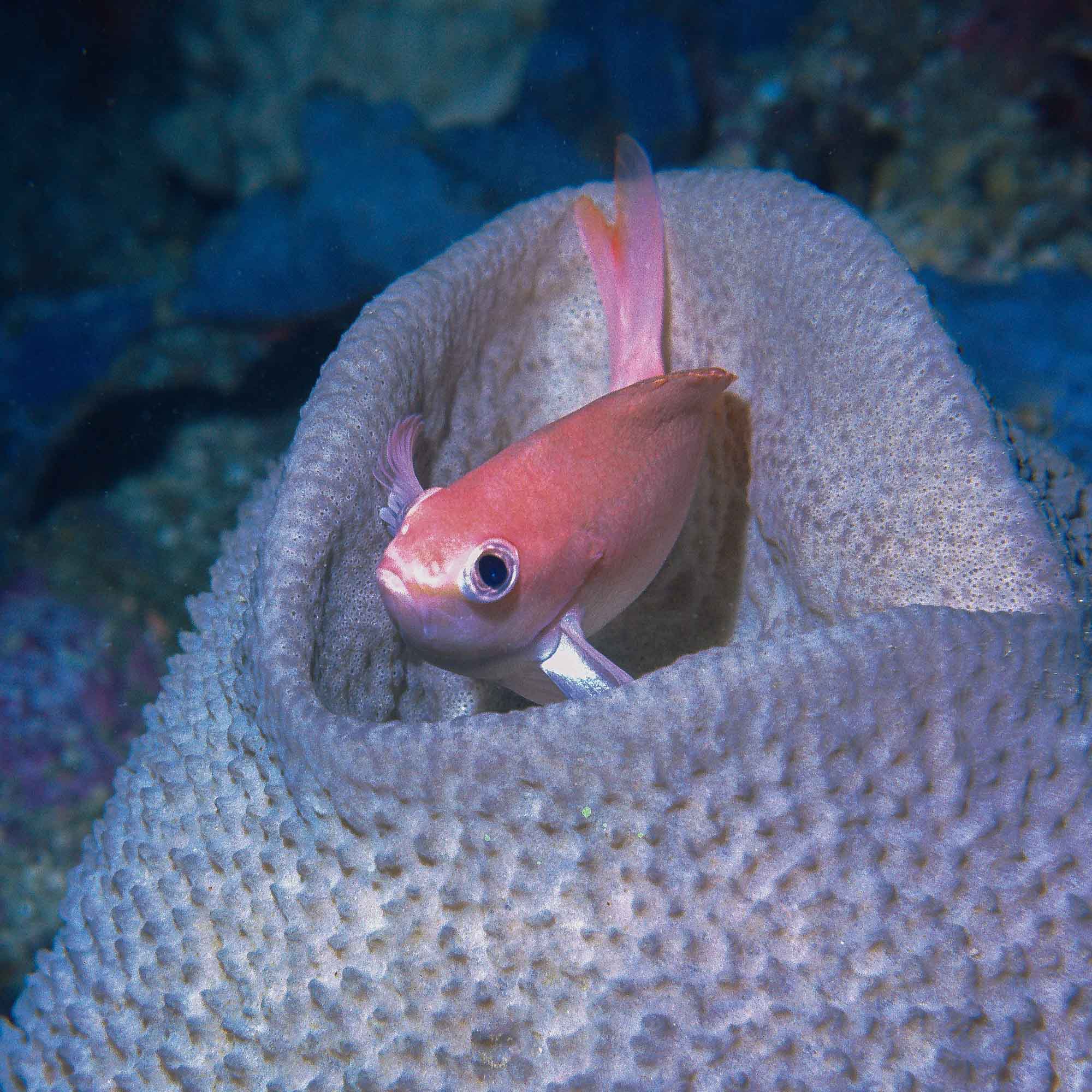
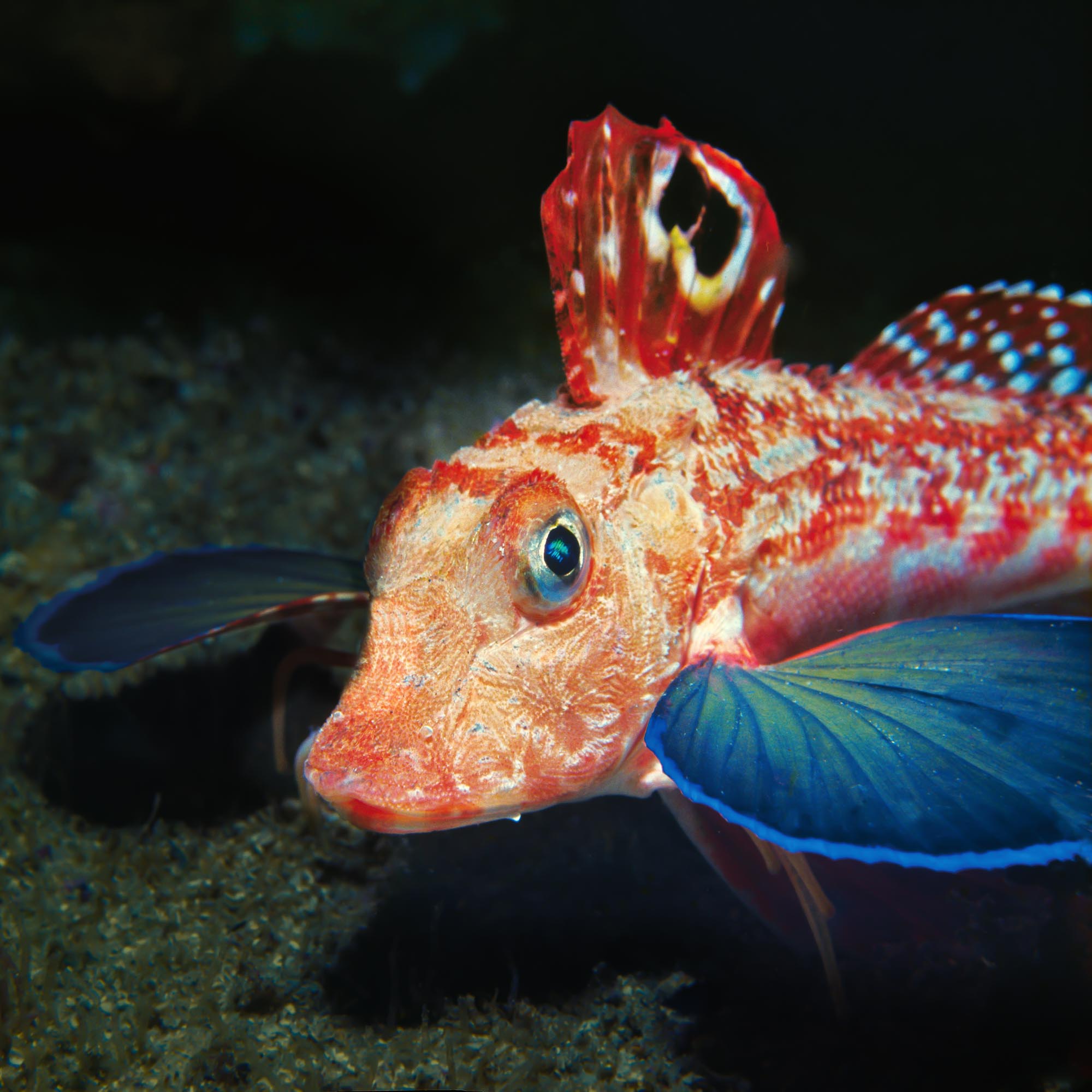
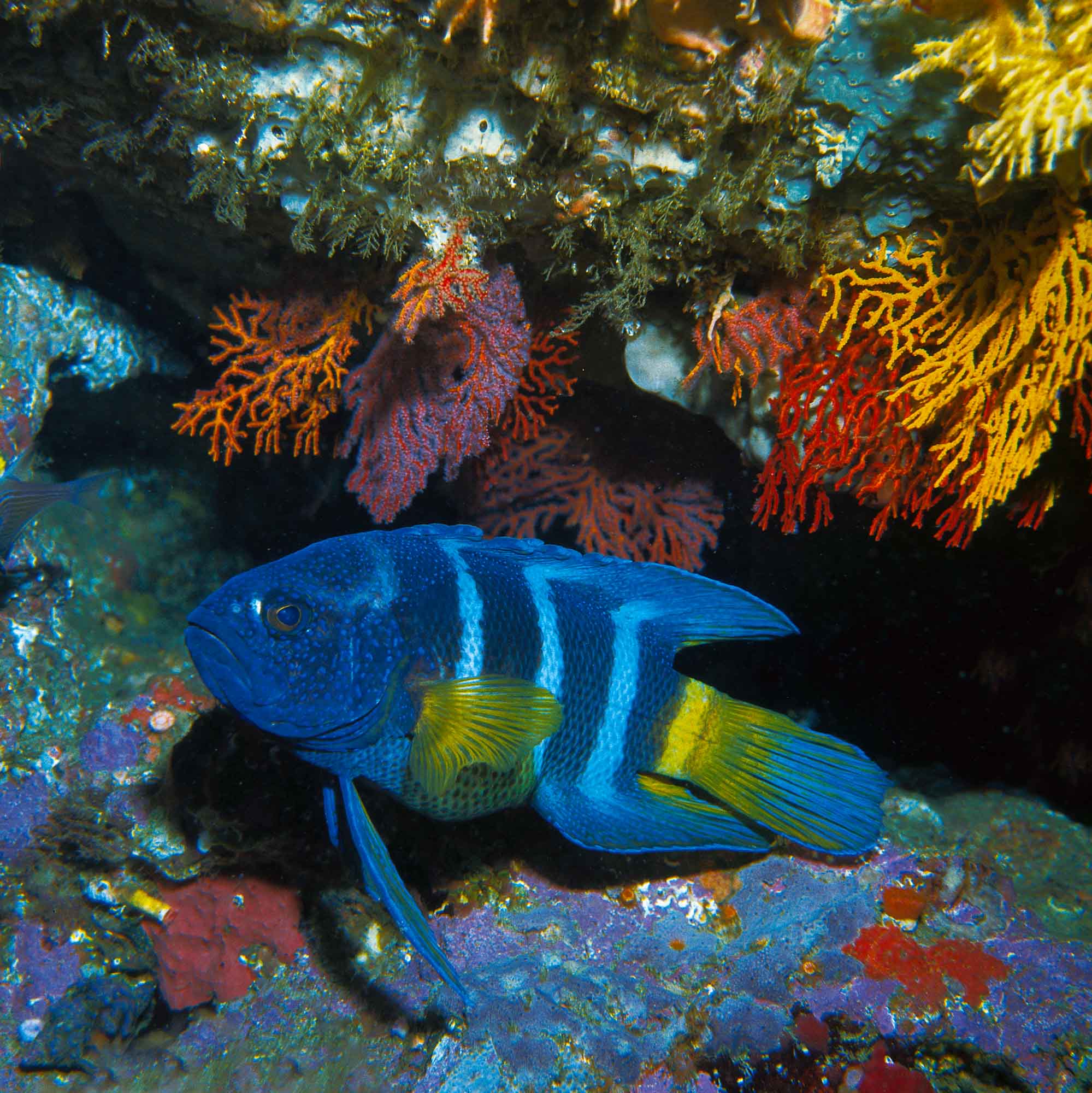

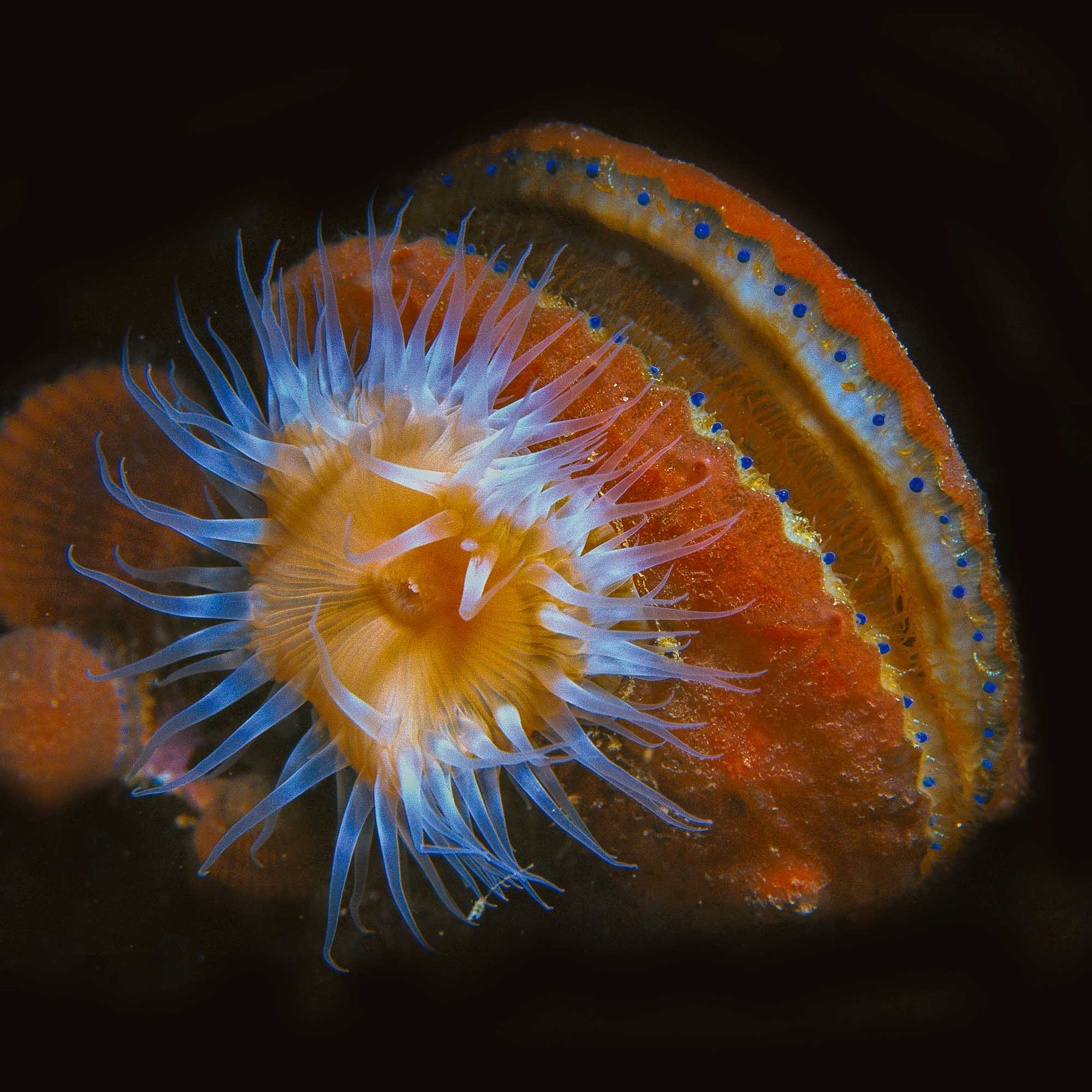
This unique and rare collection of images is part of a significant collection taken with two Hasselblad EL cameras, one with a 50 mm lens and the other an 80 mm with a close-up extension tube. Most of the images in the slide show above were captured in deep water between 30 and 40 metres in and around Jervis Bay, southern NSW, between 1965 and 1973. Even though these images are five decades old, they are still sharp, colourful, and beautifully illustrative of the unique animals that live in a place few visit. My first book, Australia’s Ocean of Life, featured these images, and even today, we use them to illustrate the species they represent. My point is that when you acquire quality cameras, and lenses in particular, and make detailed, sharp, well-composed images, they will last a lifetime.
Thank you for sharing your story and breathtaking images
My pleasure, it is wonderful to look back over a life connected to nature. Kindest Steve