
Natural History:
A Mammal Connection
Photography and Text Steve Parish
Charles Lamb, an English essayist, humorously suggested in the early 1800s that the newly discovered kangaroo’s short forelimbs were useful for picking pockets. It was satire, of course, a comment on Australia’s convict population, but it was quickly pounced upon by acclaimed naturalist George Bennett. He wrote that being able to pick pockets was very appropriate, given that kangaroos are marsupials so they have a pocket to pick! Marsupials thrive in Australia more than on any other continent, and I have a lot more than a pocketful of fabulous stories about this quirky subclass of mammals. However, the other mammal subclasses that live in Australia (monotremes and placental mammals) are just as exciting and, over time, my fascination with all mammals has evolved to the point where I can’t resist photographing their furry faces time and time again.
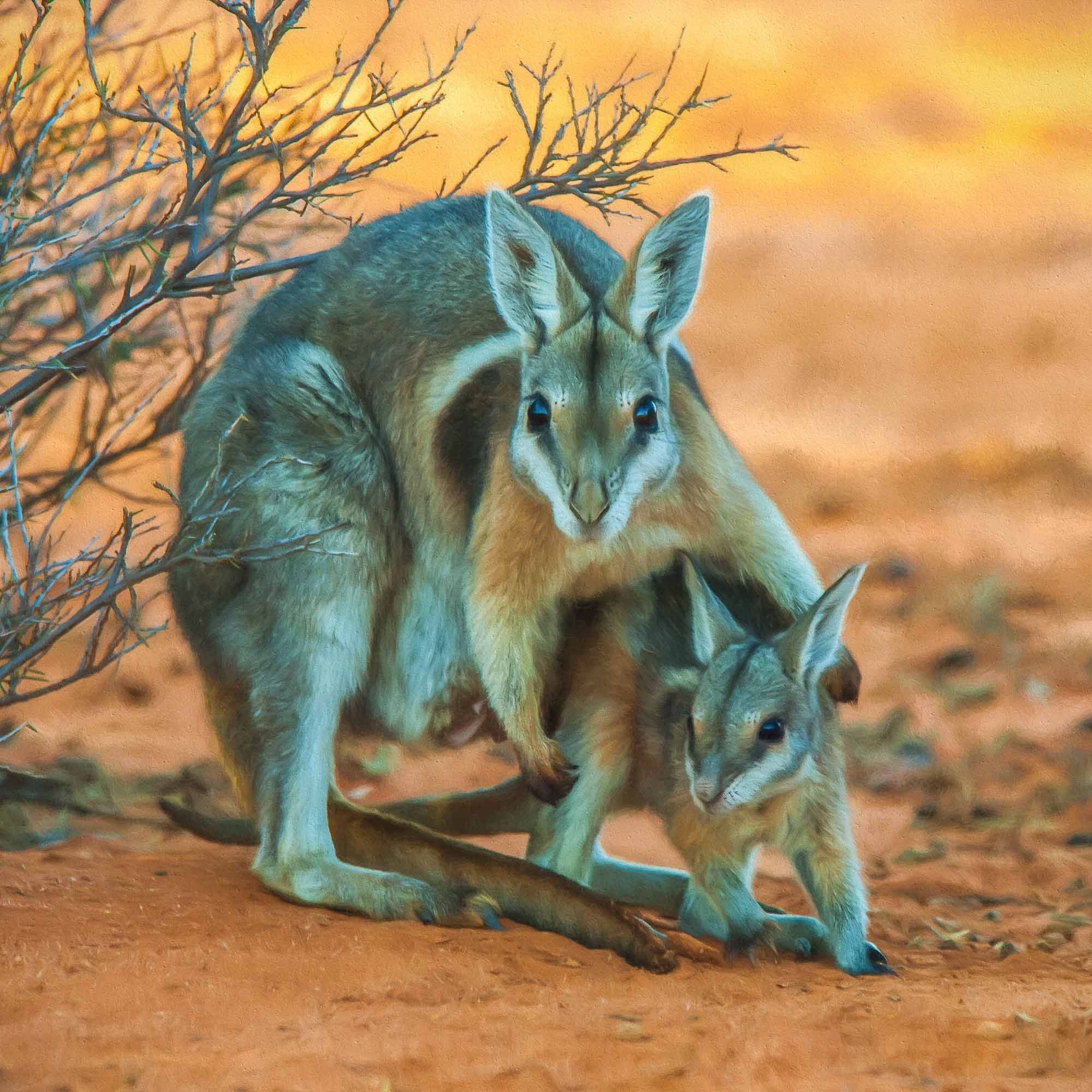
Above: The endangered Black Glove Wallaby

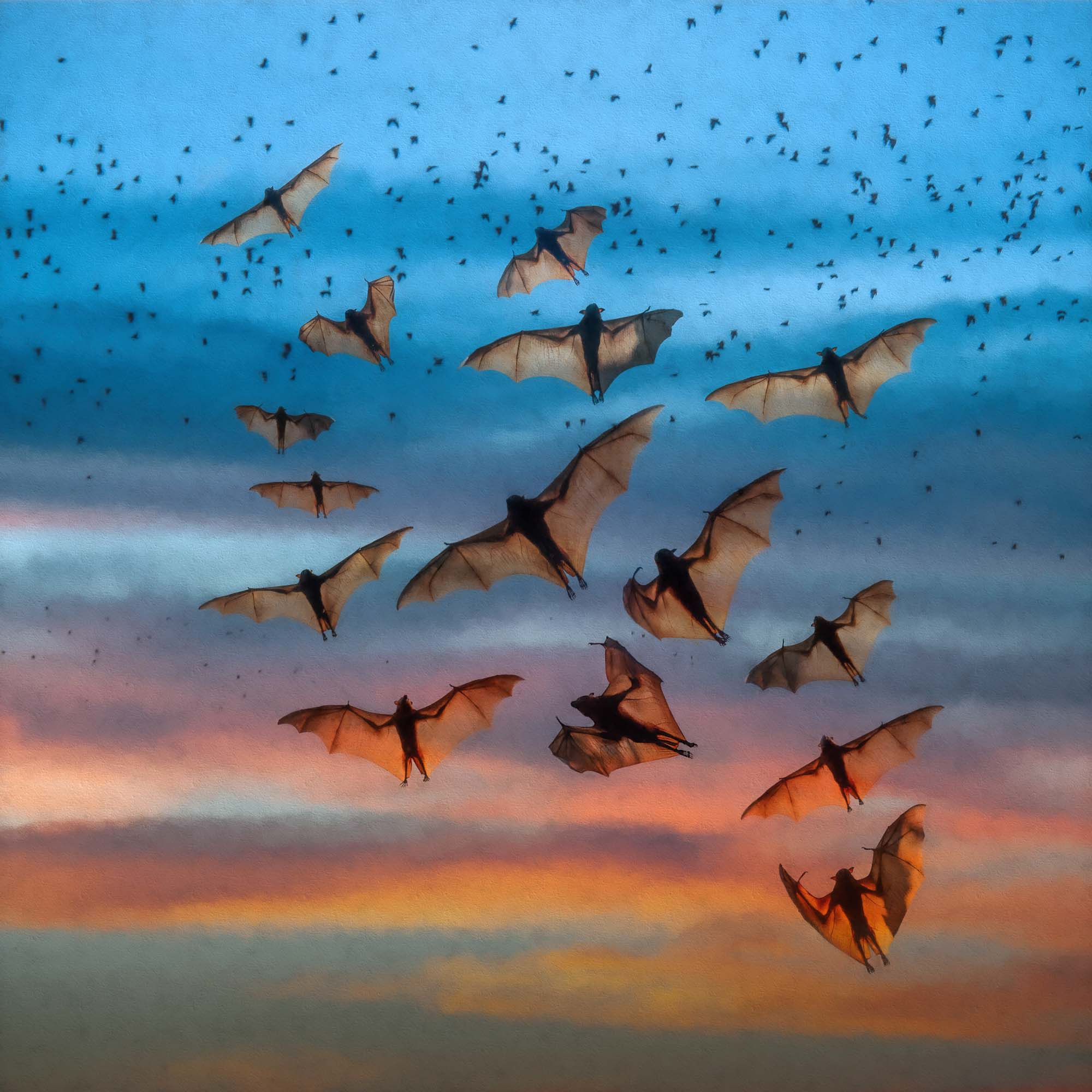
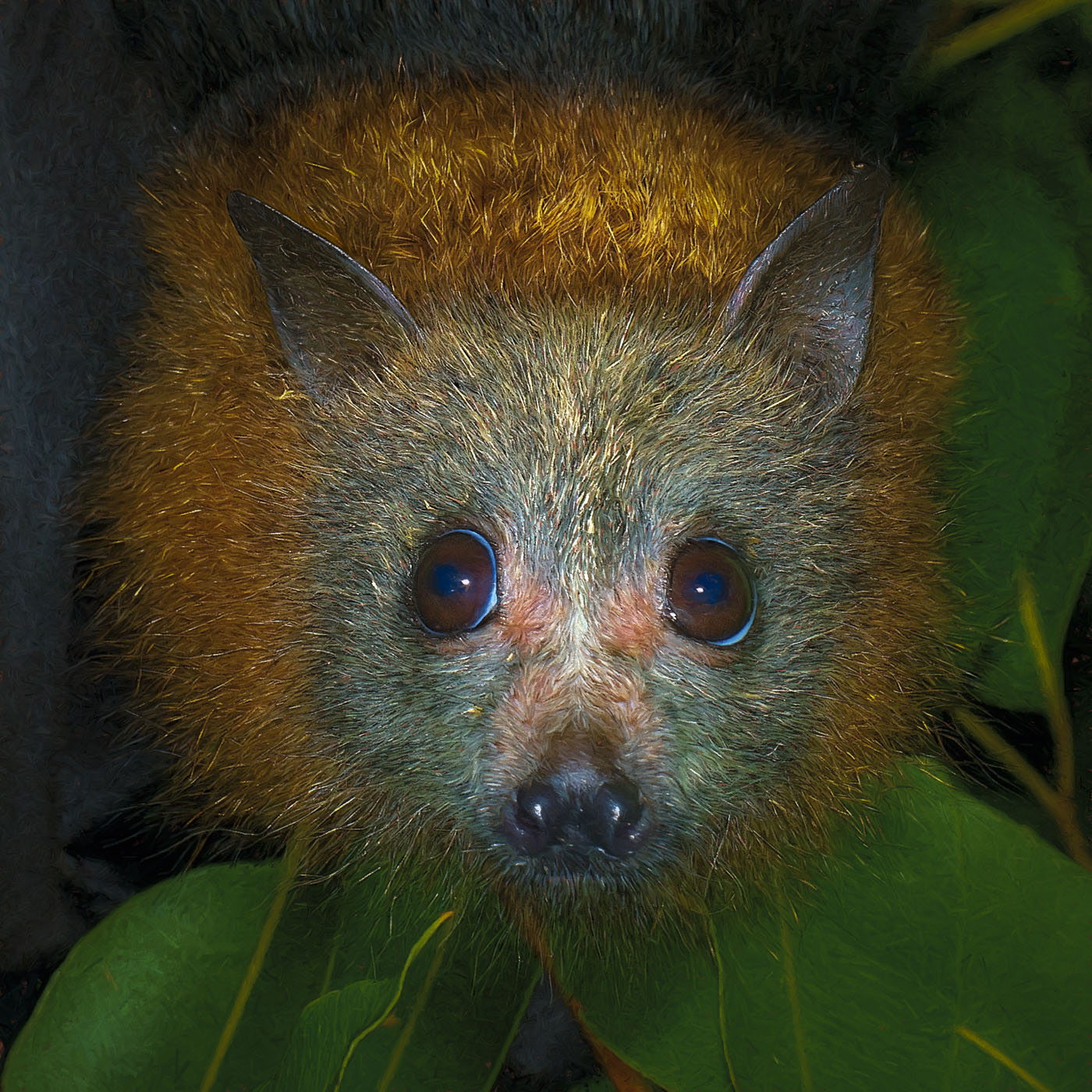
Possums first captured my imagination in the ’70s, followed by kangaroos and wallabies, seals and sea-lions, whales, dolphins, and the downright-odd platypus and echidna. I soon discovered dasyurids, small carnivorous marsupials like quolls, were seriously engaging little creatures, and my most recent mammalian fascination has been with bats. Here is a link to a recent post on bats – scroll to the bottom and download our free Guide to Australian Bats book.
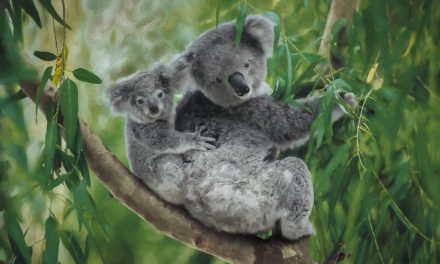
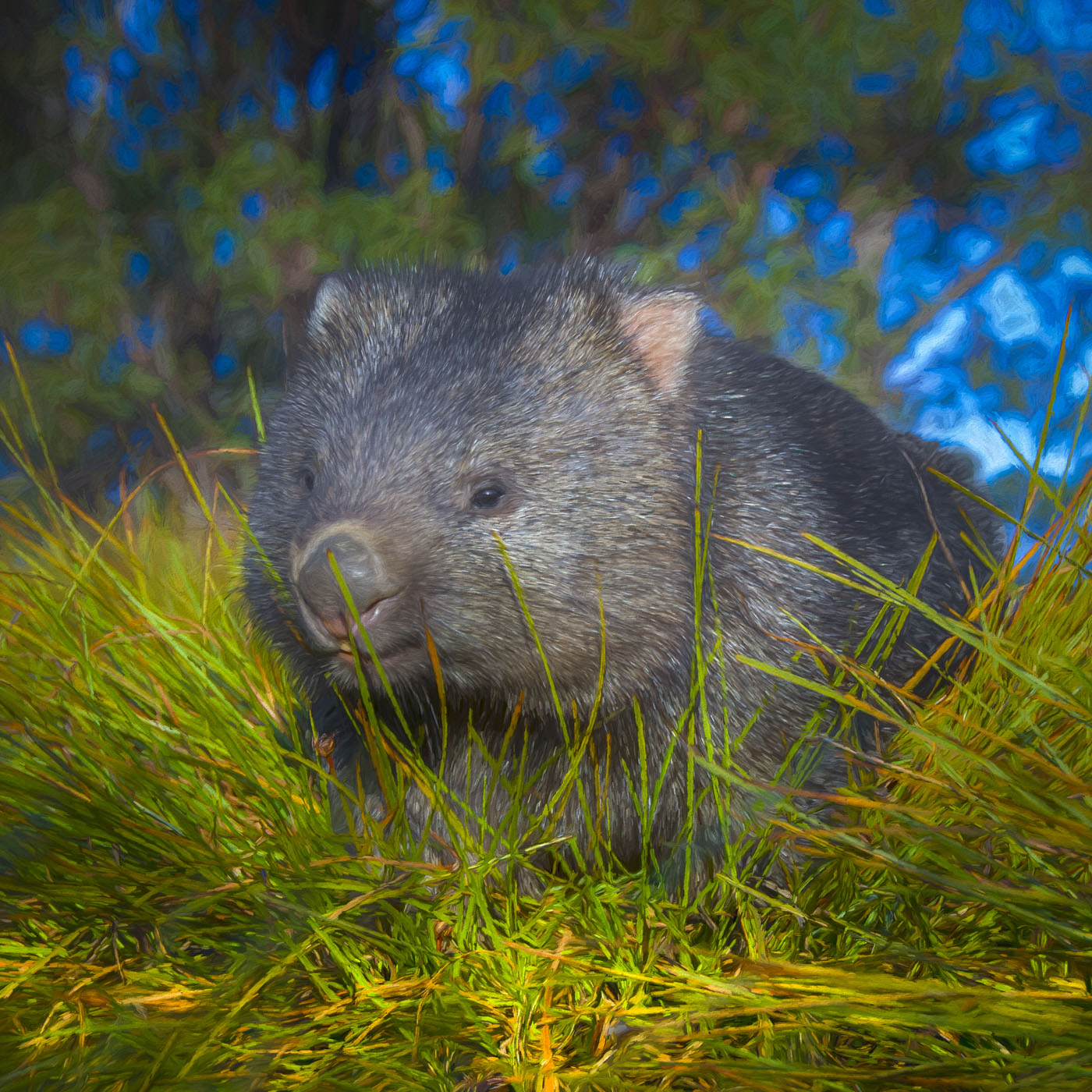
As my publishing company grew, I learned that people LOVE Australian mammals, especially koalas. We relate to these teddy-bearlike marsupials with their round faces, button-noses and big eyes, and anthropomorphism aside, their “lazy” behaviour sometimes resembles ours. I remember well my first range of published products, a series of post-packed posters. I was adamant I did not want to have koalas, kangaroos and wombats in the field — boring! I tried to promote lesser-known Australian animals. The posters were on the market for just a few days before I realised I had to include animals to which people could relate.

Above: Bottlenose dolphins playing
The experience mirrored that of my first book on sea life. I gave folk gorgeous marine creatures that no-one at the time had seen; consequently, they were not connected enough to these critters to spend money on publications that featured them. It is common sense when you think about it. However, it is also widespread for a creative person to be single-minded and have slight tunnel vision when developing a product, sometimes without considering the real desires of the buying public. Mind you; the experience was precious. Although only humble posters, these products taught me that my narrow view was limiting my ability to communicate nature to the public effectively. After all, there is no point talking if no-one wants to listen! It set me in good stead for all of my later publishing. Luckily, with mammals, people do want to look and to know more about this intriguing class, which of course, humans belong to (perhaps that is part of our fascination).

Above: The secretive platypus
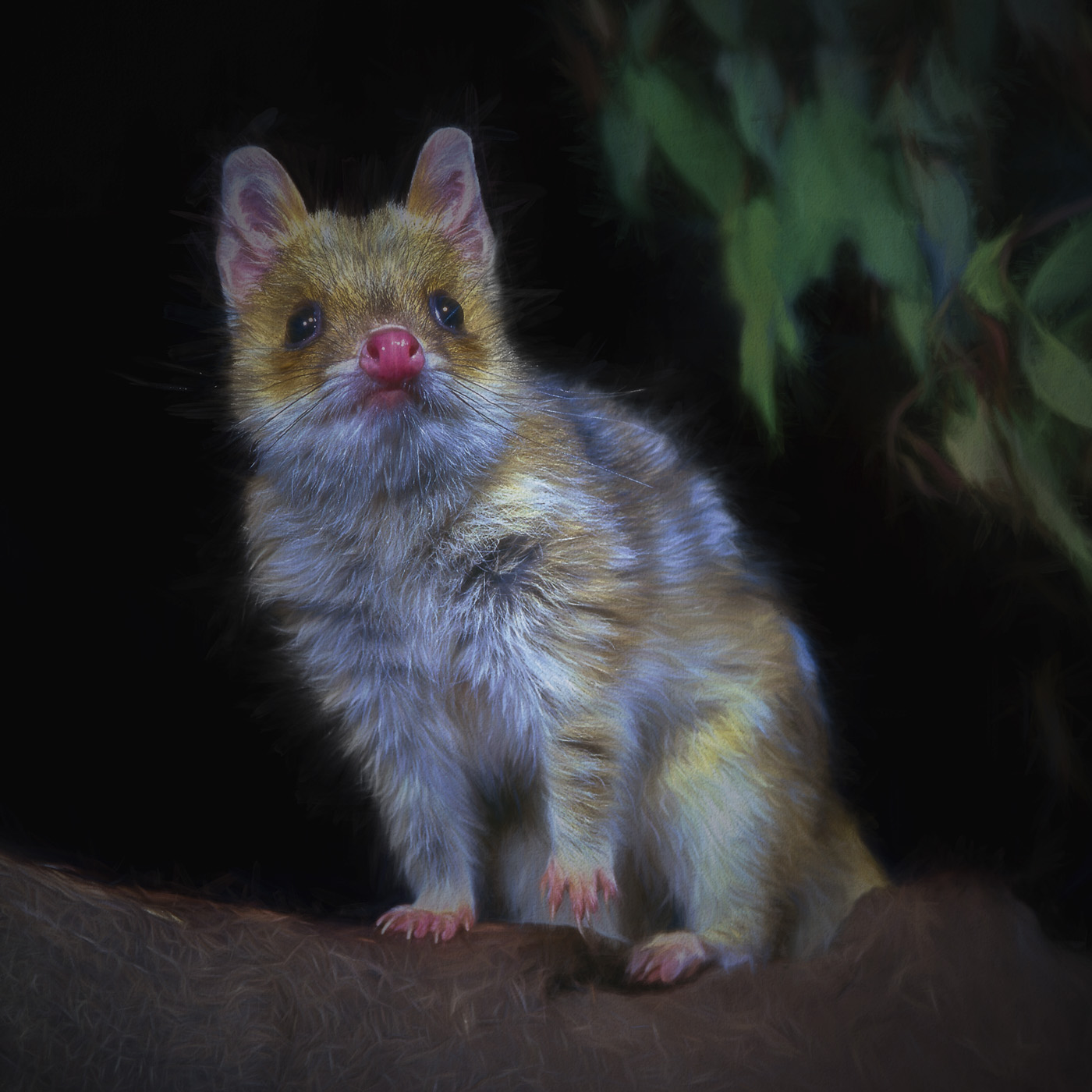
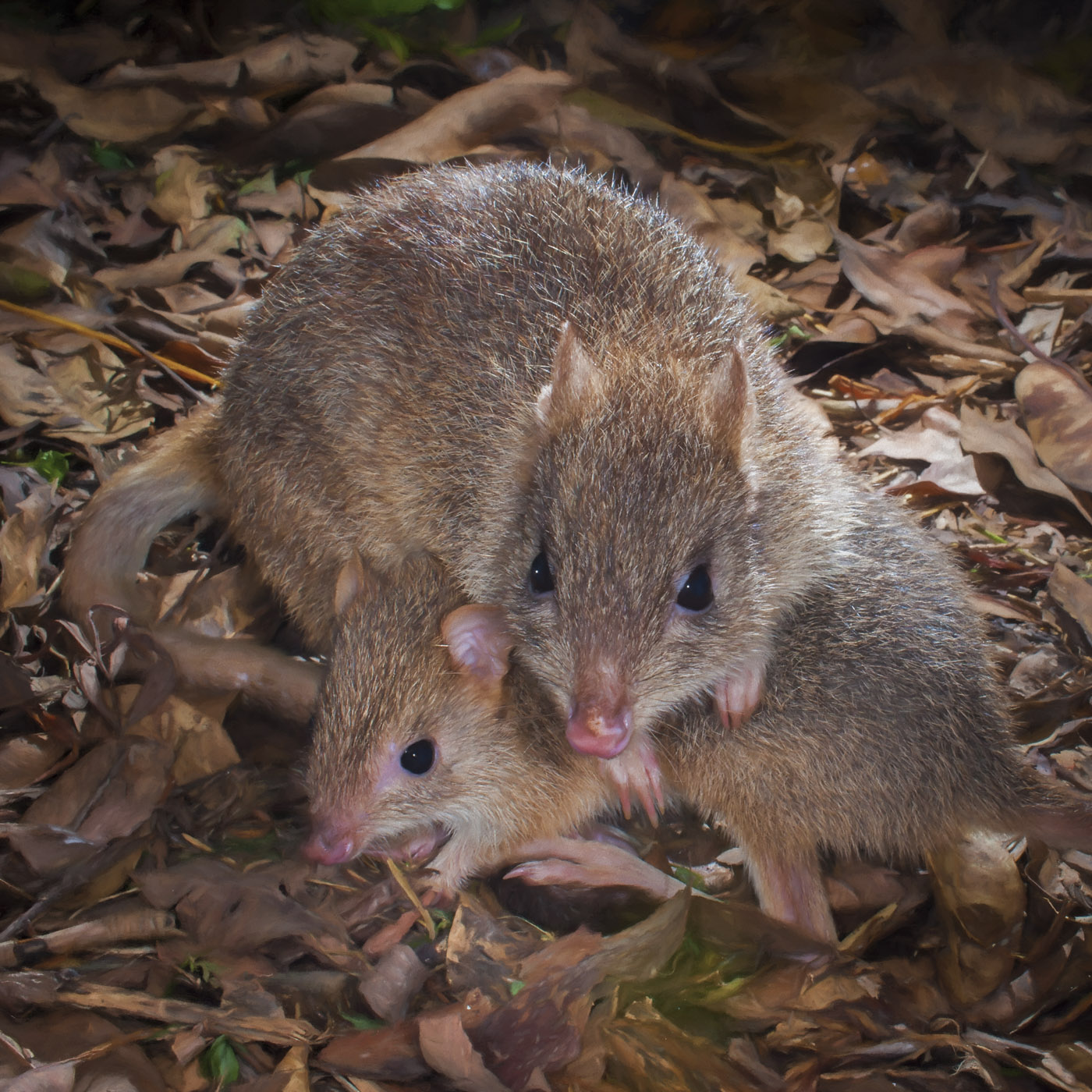
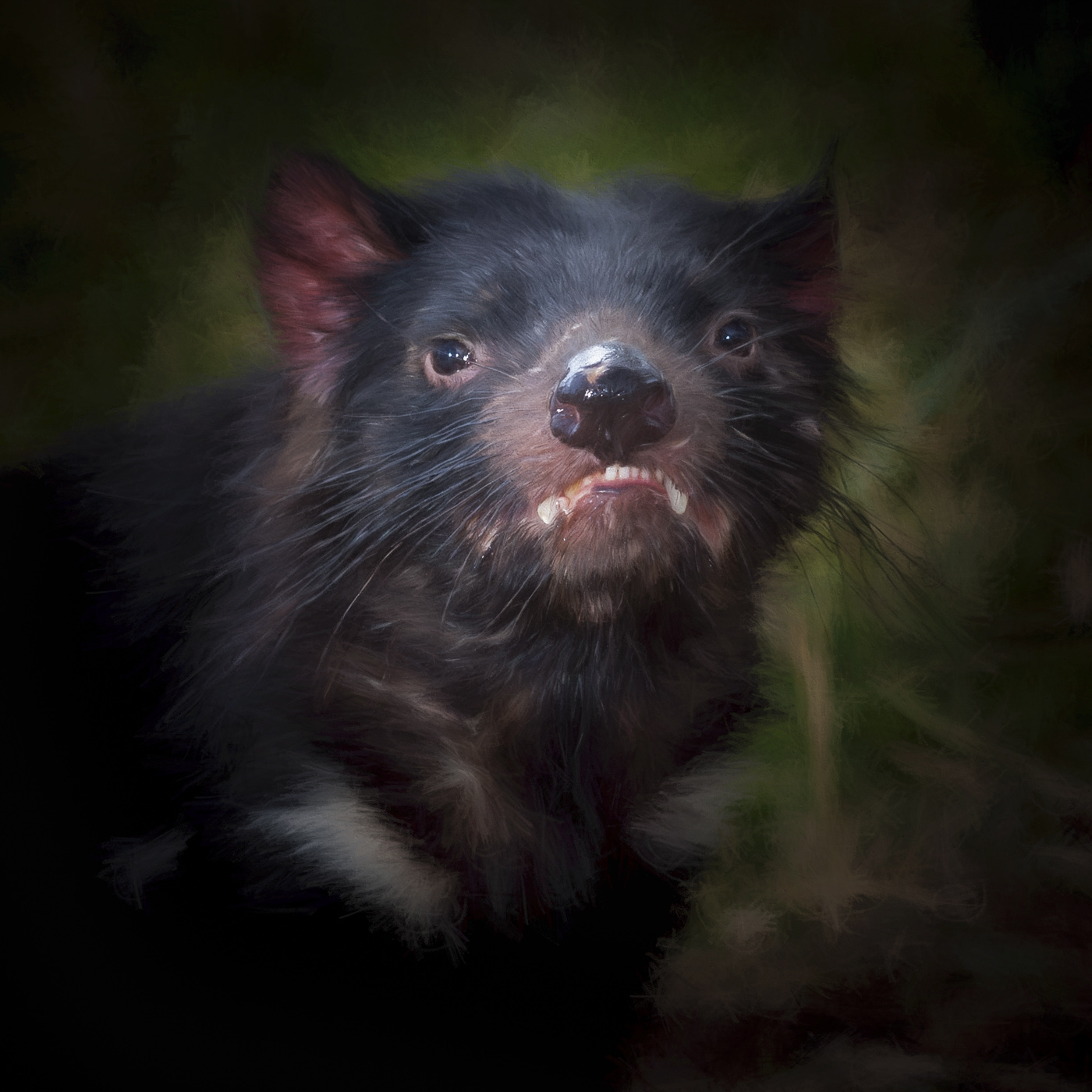
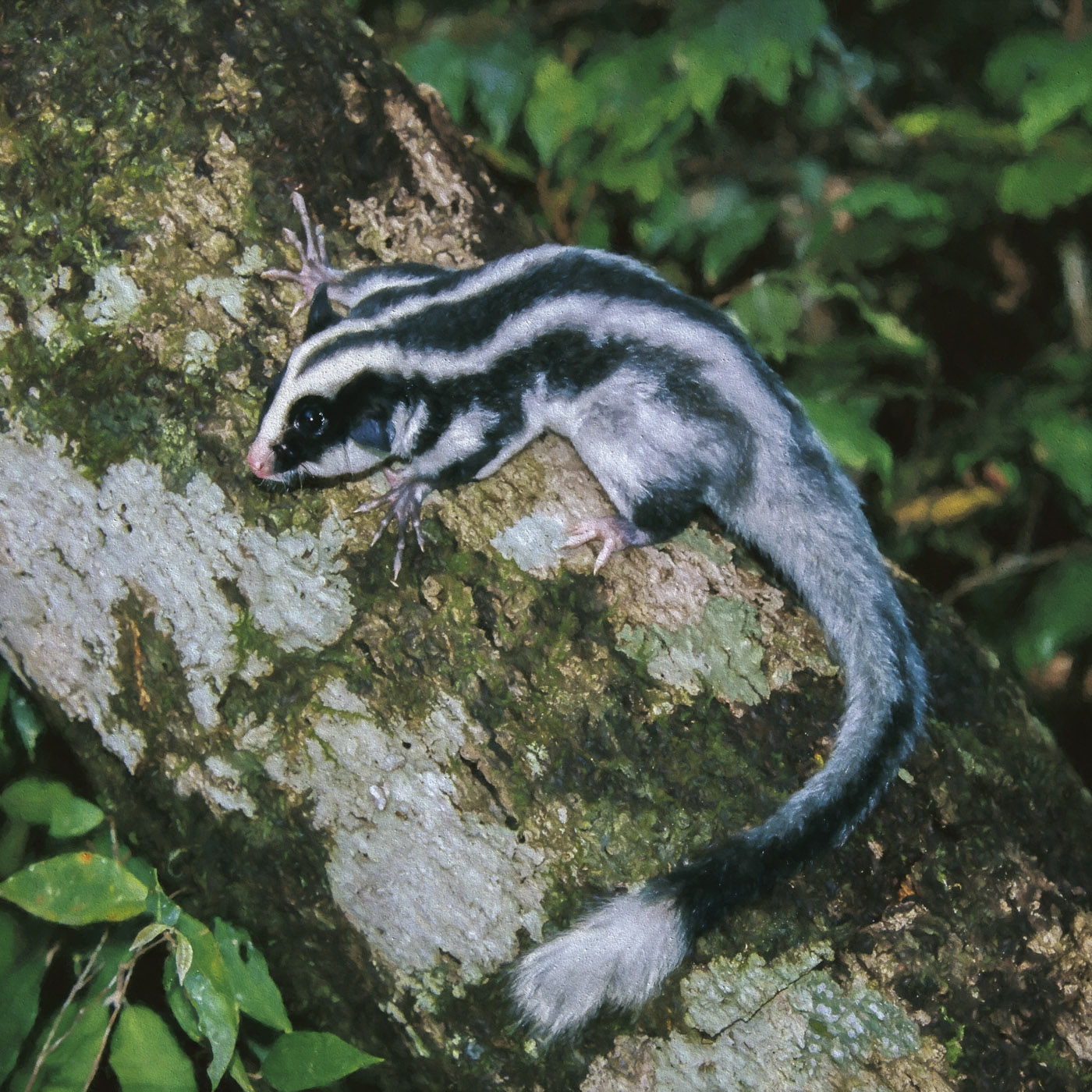
Each mammal has an interesting life history, and I find it supremely satisfying to collect images that tell their stories as well as celebrate their existence. Their senses are so acute that photographing most mammals in the wild is enormously challenging (and sometimes simply not possible at all). Very shy mammals, such as native rodents, carnivorous marsupials, possums and many small macropods, often need to be photographed very carefully and secretively not to intimidate them. If they feel threatened, the only behaviour witnessed will be fearful postures or their retreating backsides! Don’t get me wrong; there are times when wild animals are tolerant of the presence of humans, be they researchers, campers, picnickers or photographers. On other occasions, captive-raised animals in wildlife parks can prove much more natural to photograph, although the diversity is limited.

Above: The iconic koala now under considerable threat due to habitat loss. Many koala populations have recently been devastated by bushfires.

Above: A female Echidna cares for its single baby, known as a puggle. With many enemies close by the mother tucks her single young away in as safe a hide-a-way as she can find, in this case, a hollow log.
Another option is to affiliate yourself with researchers who capture and release mammals for scientific purposes. Animals taken into care, such as abandoned or orphaned joeys, are also more used to humans, although, again, species diversity might not be high. To account for the problem, over time I have established a network of other photographers who specialise in particular mammals, such as Jiri Lochman, who expertly photographs small, elusive rodents and carnivorous marsupials. Together we can produce books that comprehensively exhibit mammals with a comprehensive revision of our Australian mammal Guide – see below.
An important factor in my enthusiastic promotion of mammals is that Australia has a shameful record of mammal extinctions, more than any other country. Per head of population, this continent also has the most threatened species. If we are to prevent more extinctions, it is crucial that these animals have a “voice”.


Mammal Gallery – click and scroll