
Kangaroos and Wallabies
‘Who created you?
Surely such imaginations
would be among the chosen few,
’cause after all
who else can run so fast
and leap so far
with such poise, and balance,
and always with a gently beating heart.’
Steve Parish
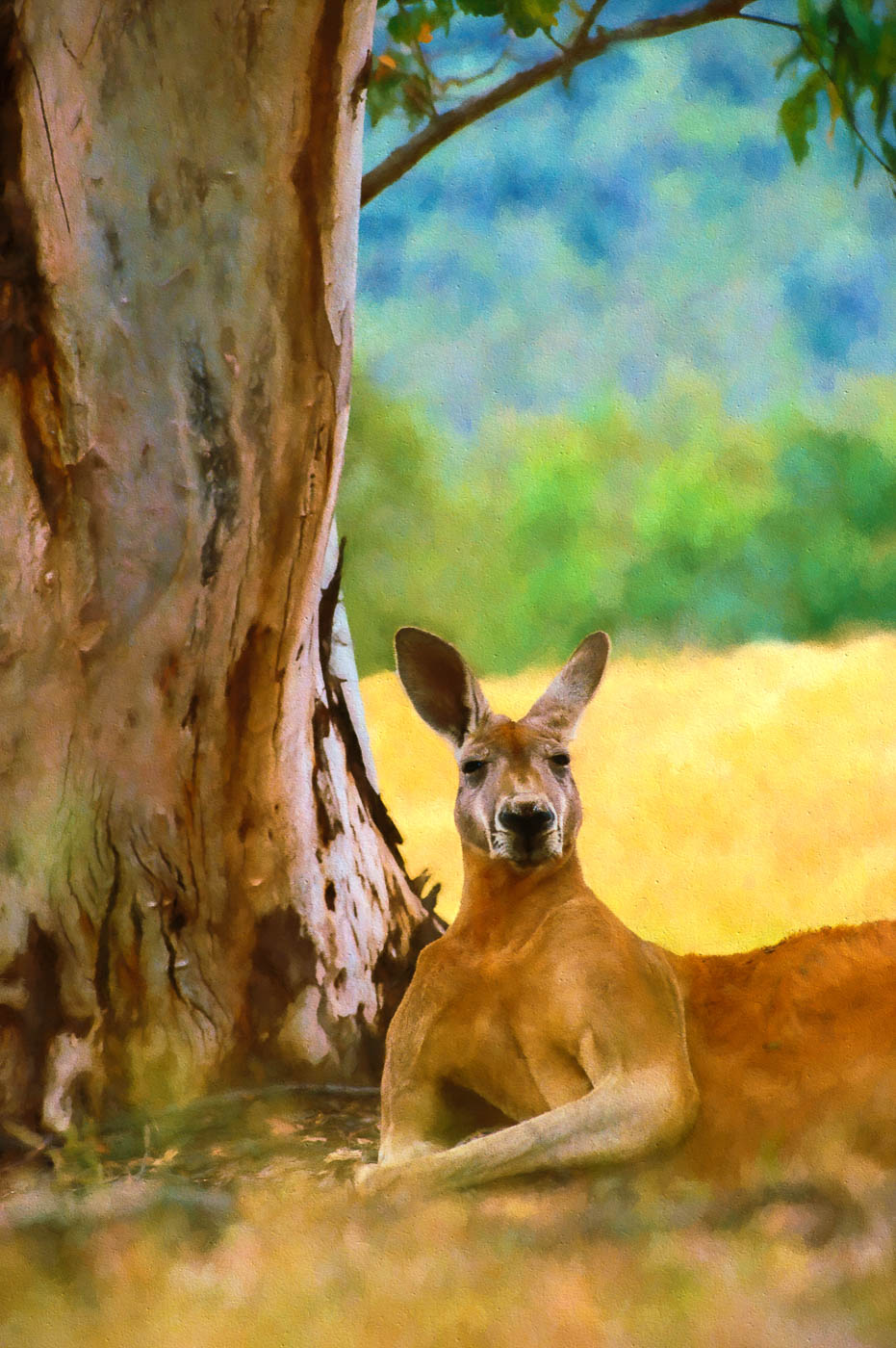
In my earlier days as a wildlife photographer, I had photographed the big red roos sprinting across Queensland’s western plains. Sure, agile, red-necked and whiptail wallabies had been recorded when the chance arose, but it was more opportunistic than planned. Although I had plenty of colleagues who were researching kangaroos and wallabies, my own connection was yet to occur. It was not until 1983, during a year-long trip around Australia, that I began to realise these animals were more than just hopping mammals that carried their babies in pouches.
In the autumn of 1983, I arrived in the Gammon Ranges, just north of the Flinders Ranges in South Australia. I was collecting images for a book, Australia’s Wilderness Experience, to be written by Allan Fox, a renowned environmentalist and educator. Ironically, my first “wilderness experience” was to photograph feral goats. While waiting for goats to descend to drink at the waterholes in the late afternoon, I filled my time watching the behaviour of wallaroos, which were abundant in that area. After hour upon hour of watching these mammals, I began to see that they were quite fascinating. I noticed how the young males and females reacted to the adult males, and how acutely aware they were of everything that was happening around them. Their agility when negotiating steep, seemingly impassable cliff faces was incredible. Boy, these animals are at one with their habitat, I thought to myself.
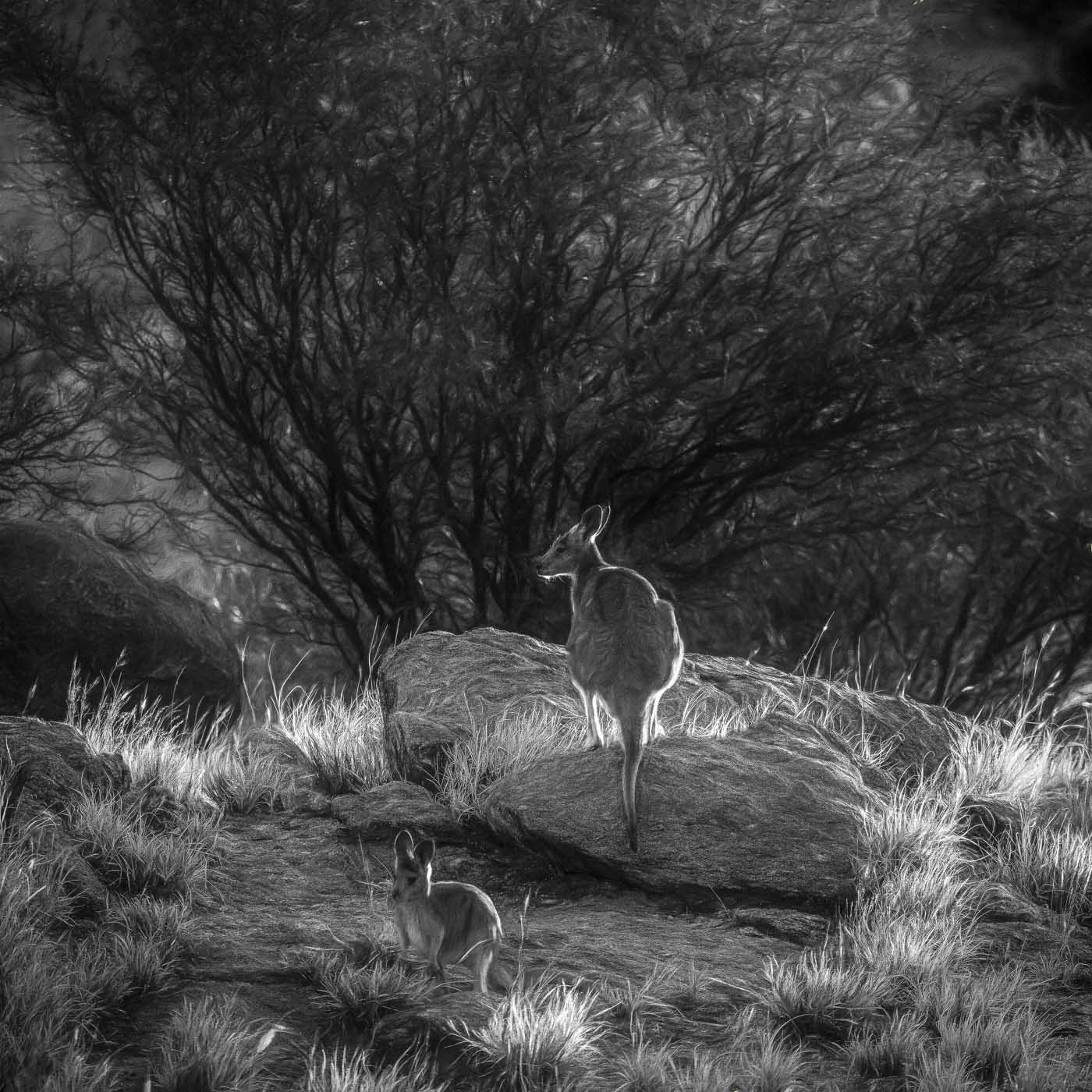
Previously, on assignment for a book about Australia’s Great Dividing Range, I had photographed expert rock-climbers at Mount Arapiles in Victoria, but the wallaroos would put these guys to shame! While gazing through my lens into the dark, liquid eyes of a “teenage” doe, my macropod fascination began. It would later continue to build, with increasing passion, as I set out to record as many examples of macropod behaviour as possible in my lifetime. My fascination now extends to all fifty living Australian species (six species have become extinct since European settlement) and numerous behavioural aspects. Experience has taught me that it is helpful to have a basic understanding of the taxonomic classification of a group of animals before I set out to photograph them. This is a small collection artistically rendered is entirely in celebration of these unique quintessential Australian mammals.

The Guardian
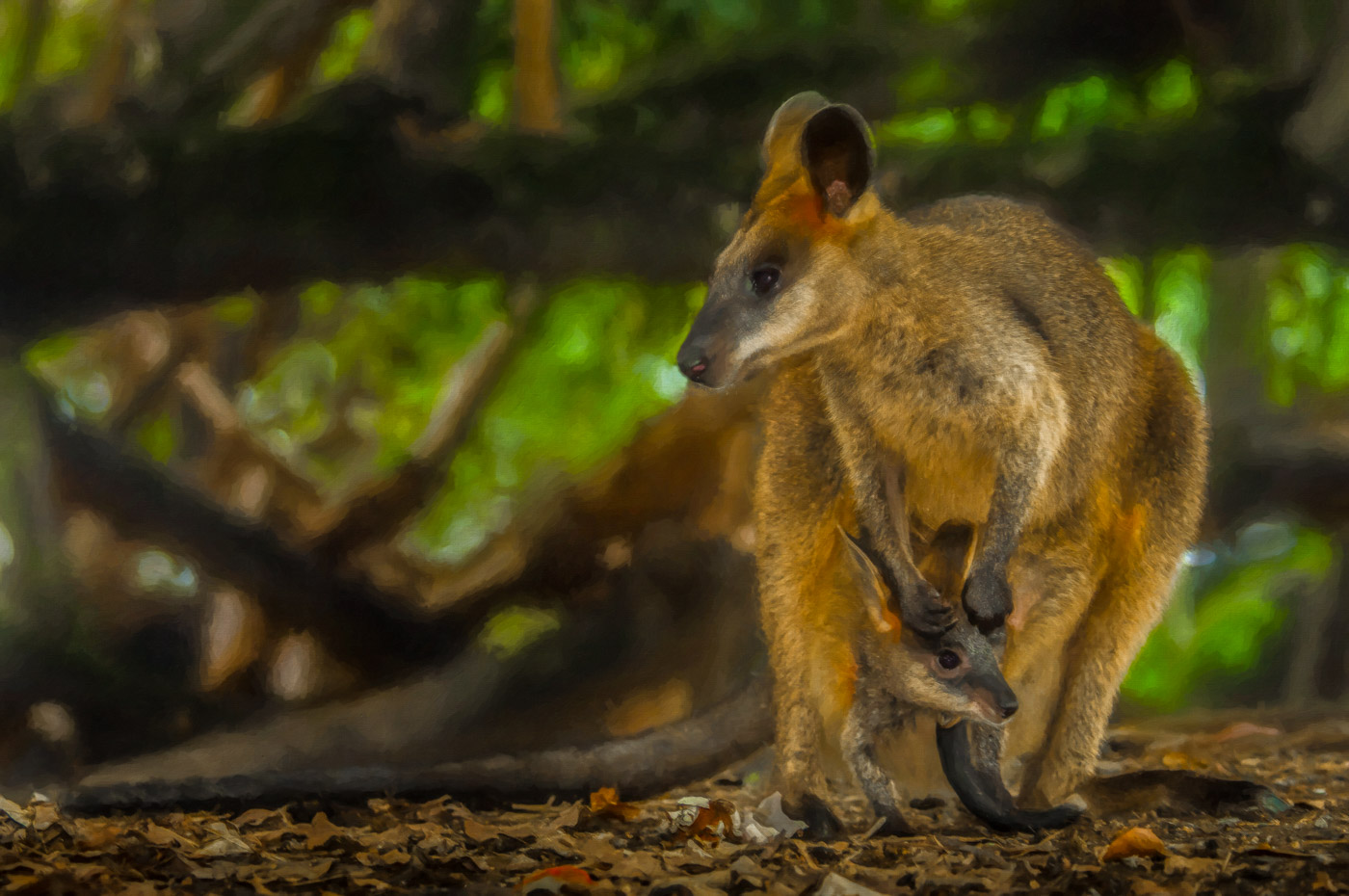
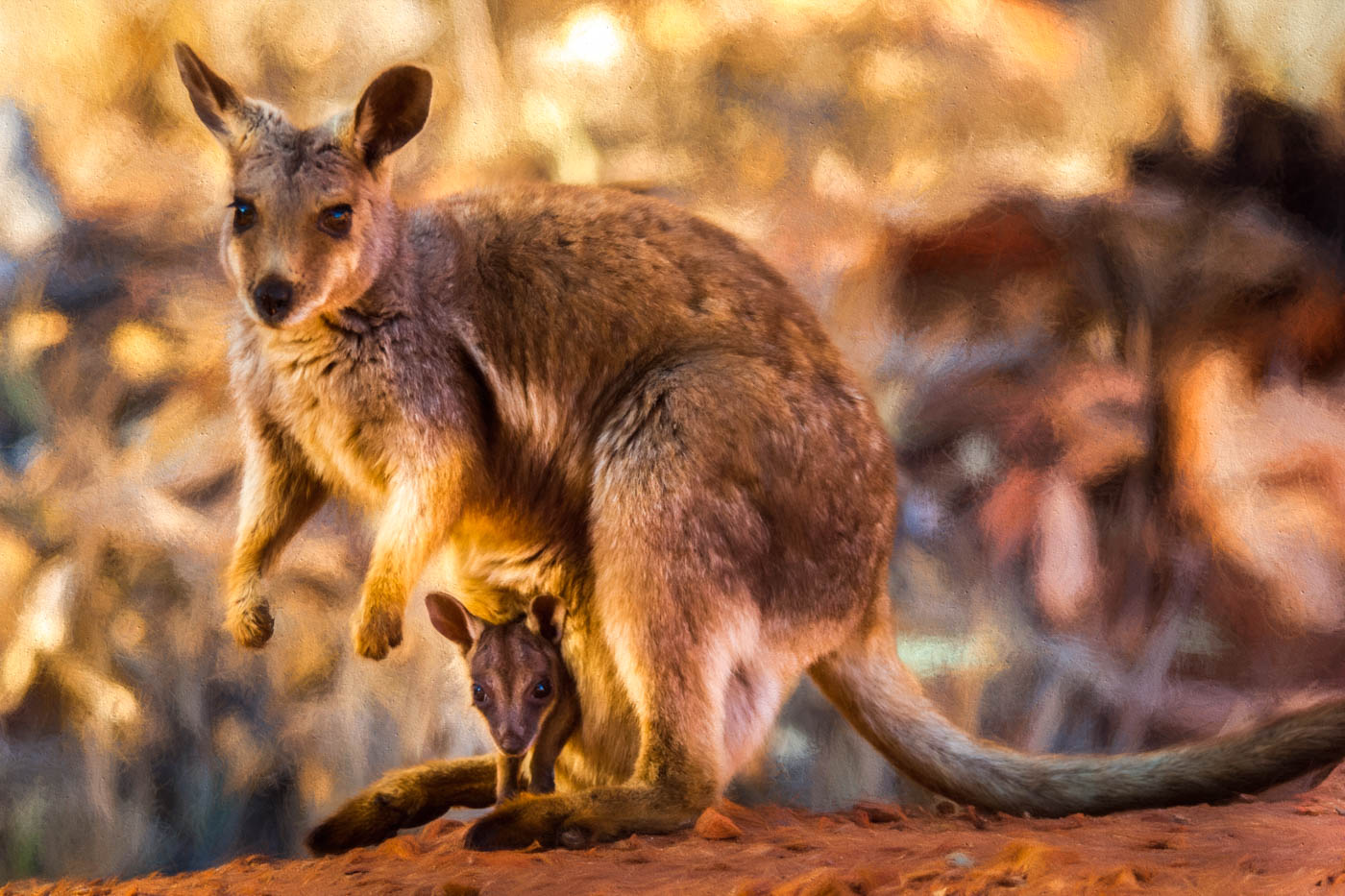
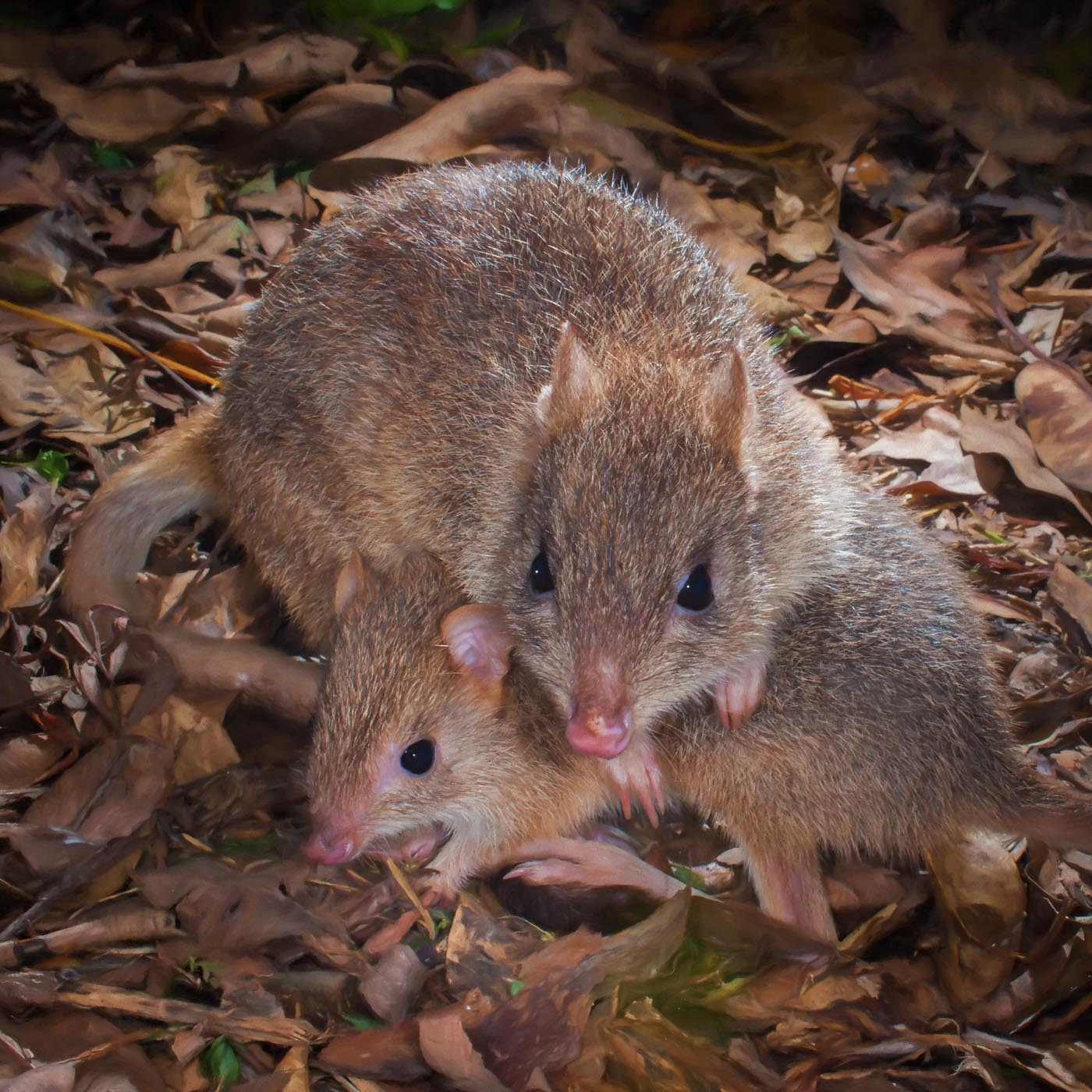
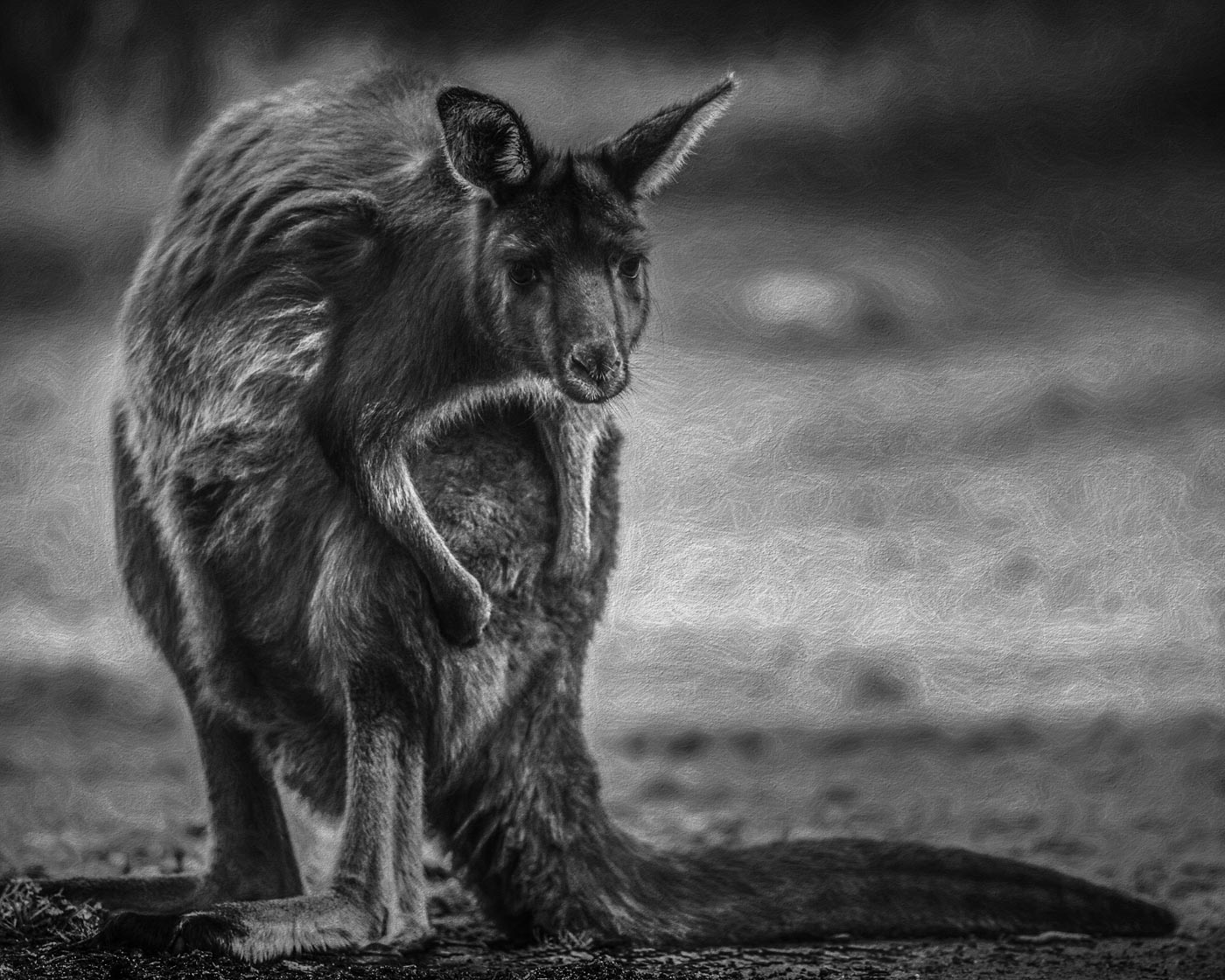
This endangered Bridled Nailtail Wallaby mother exhibited the most sensitive joey protection behaviour I have ever witnessed. It was photographed in a Australian Wildlife Conservancy property at Scocia in New South Wales.

The Itch
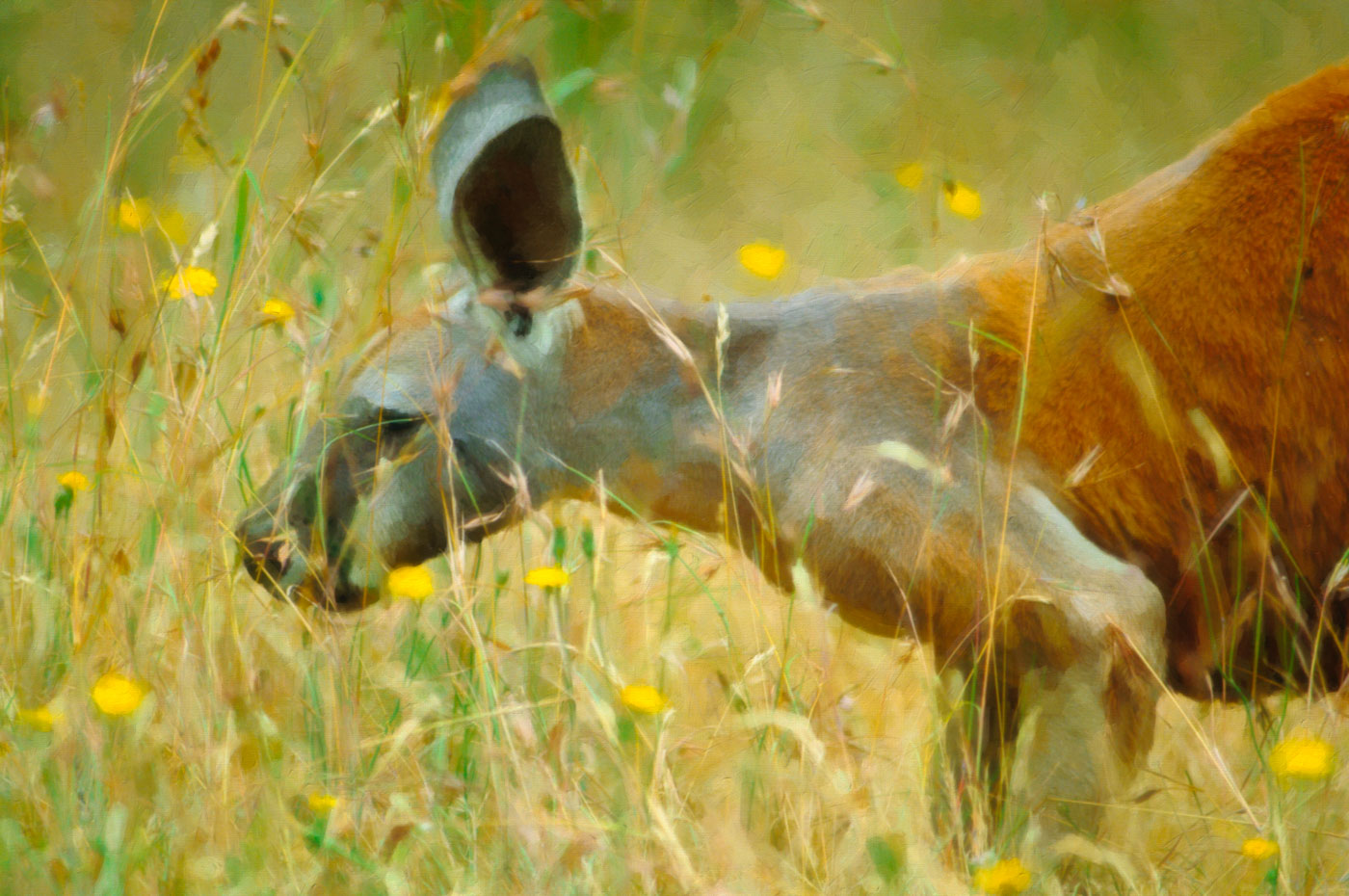
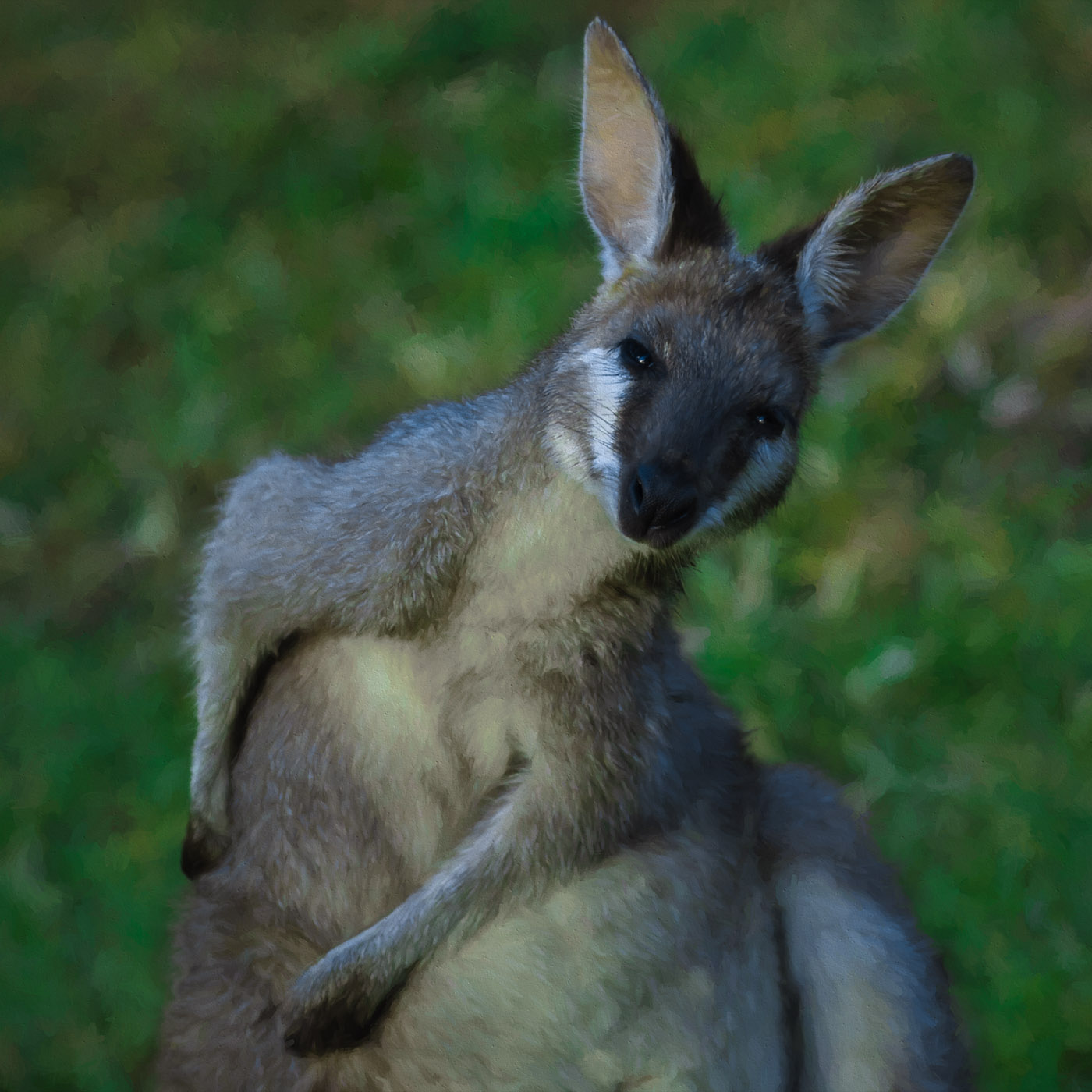
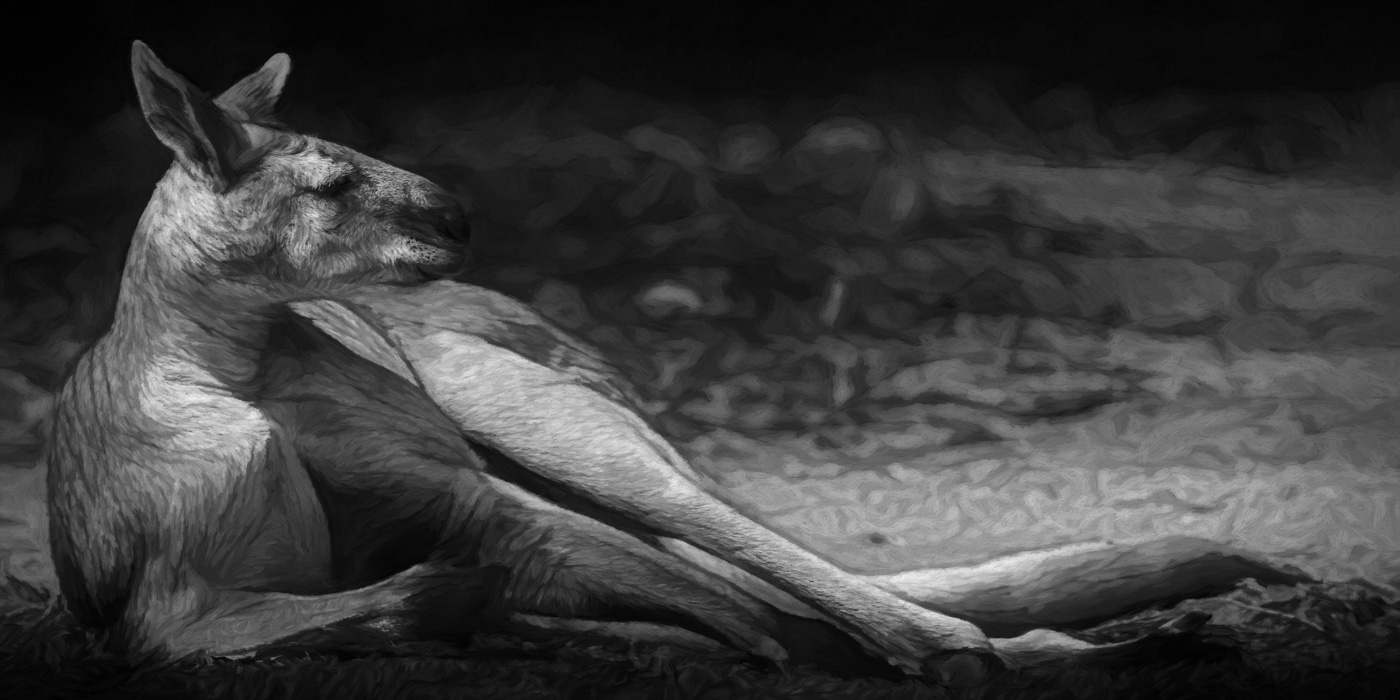
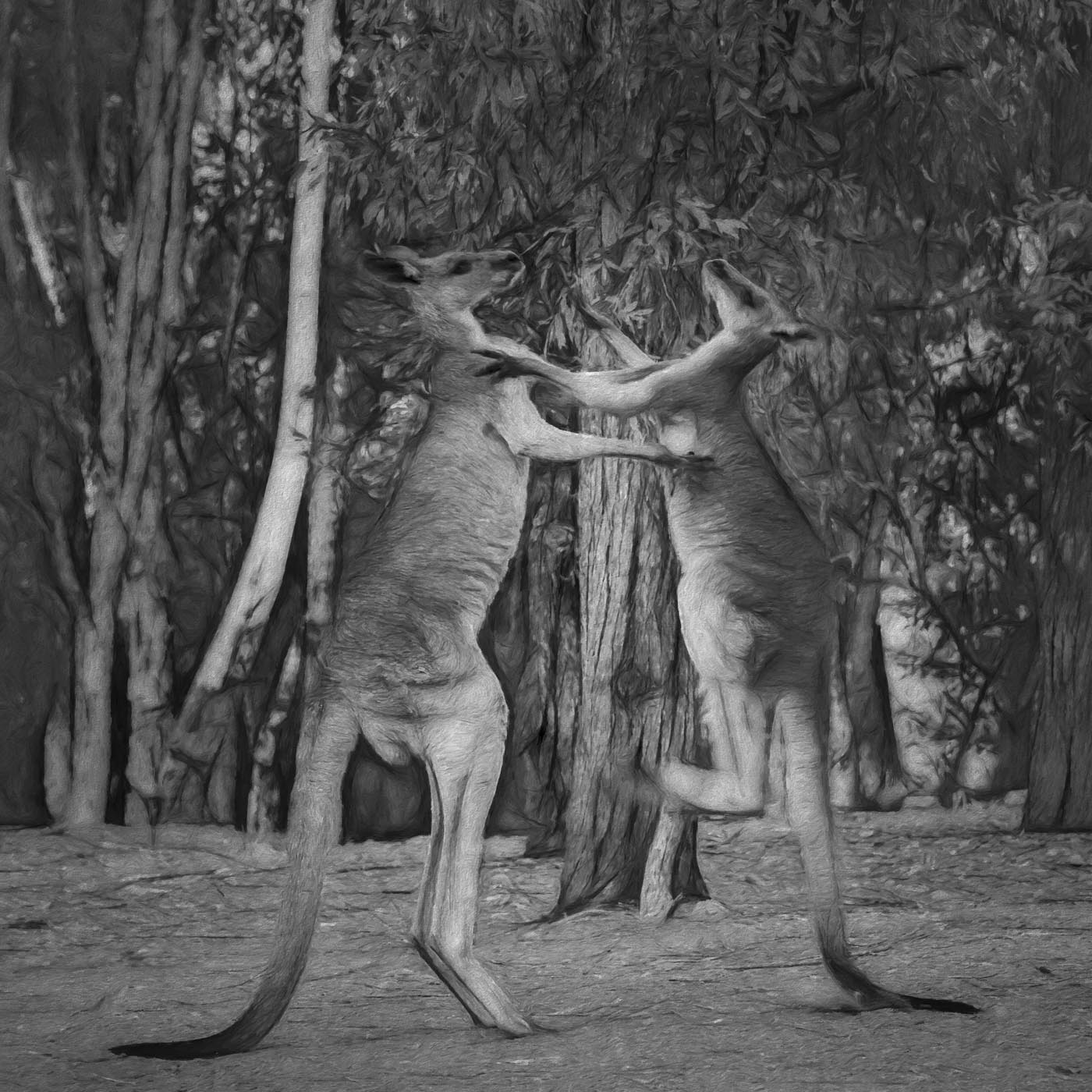
Apart from running with grace and ease, we don’t usually think of the macropods (kangaroos and wallabies) of doing much else. We probably feel that way because macropods do like to do two primary activities – sleep/rest and gently graze. However when we settle down at ground level and remain still and quiet that we will start to see a wide range of animated behaviours, some quite entertaining. This is a young male western grey kangaroo.


Learning to be a Tree Kangaroo
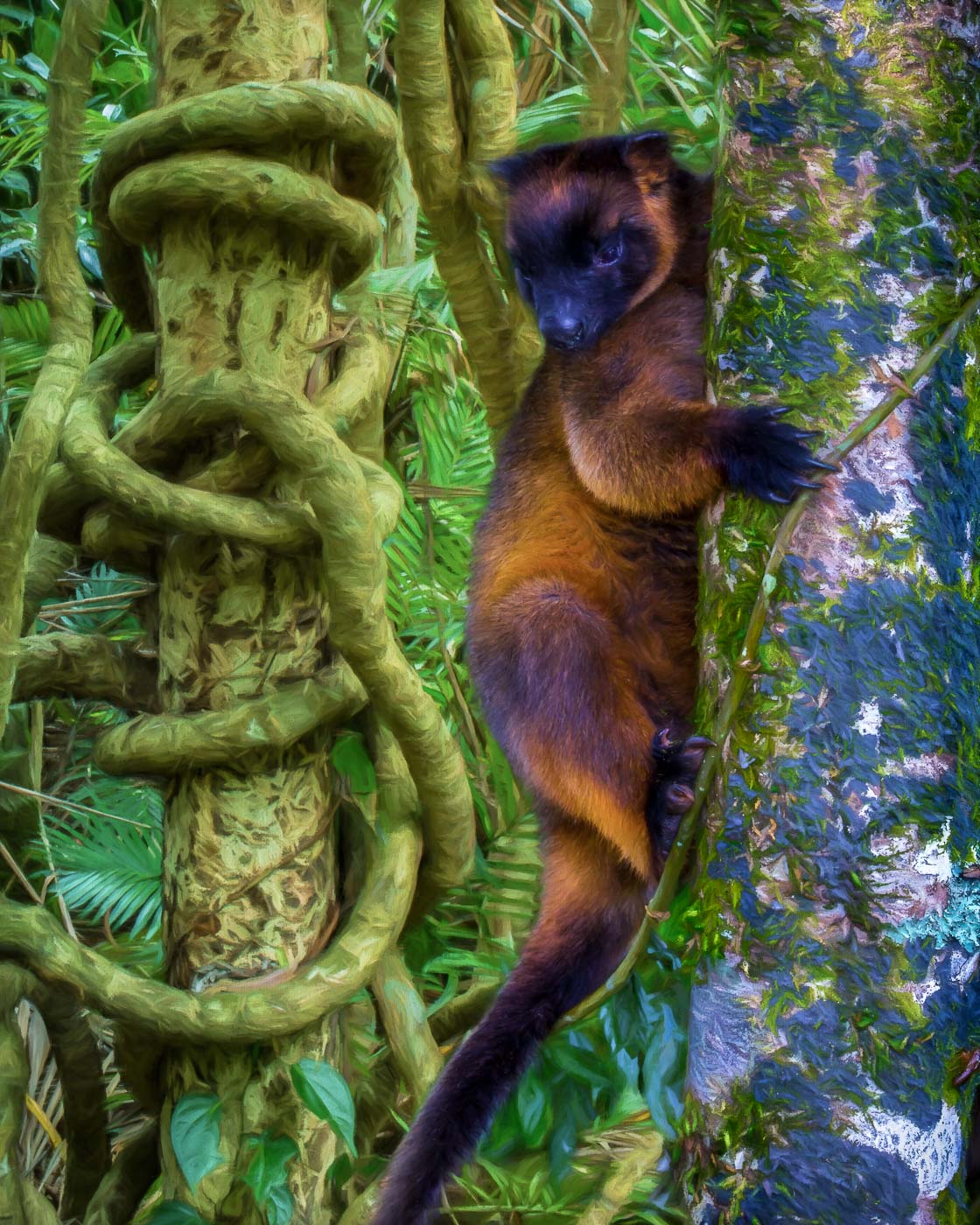
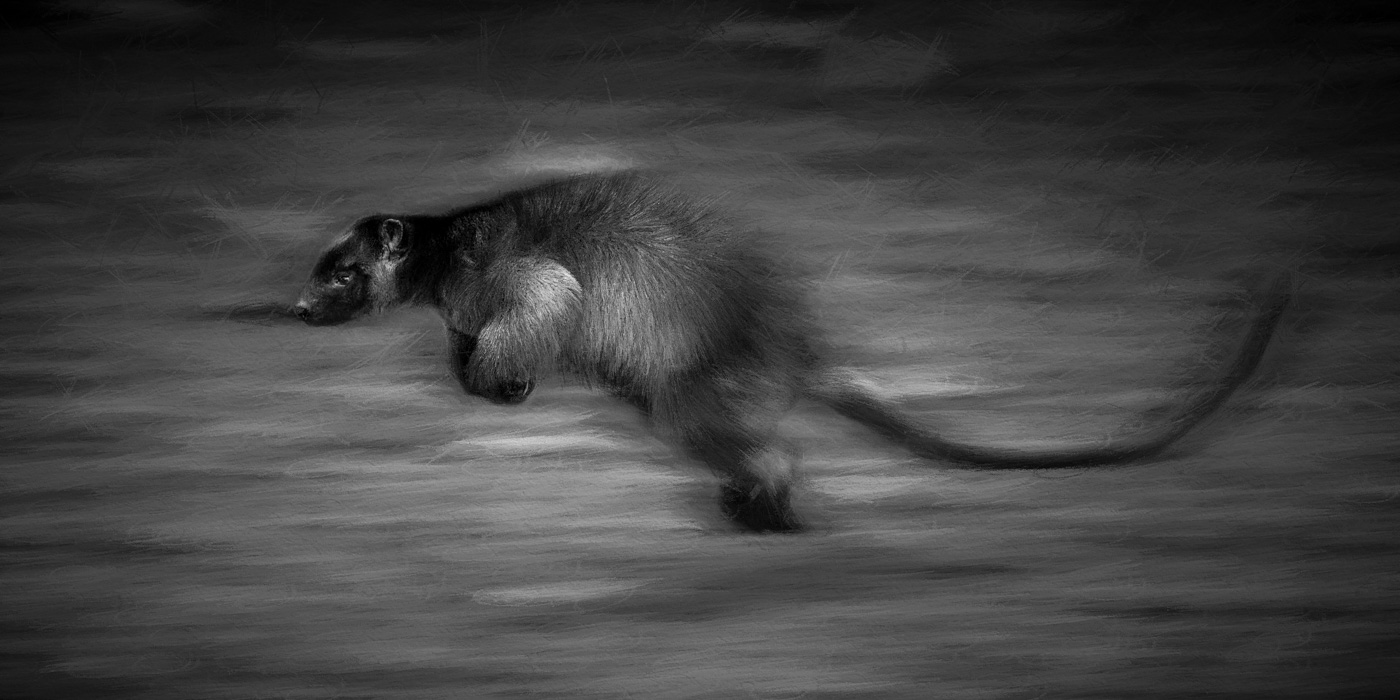
Encountering tree kangaroos in the wild, especially this close, is a heart-stopping event. Known to local Indigenous people as Boongarry, Mabi or Mapee, the Lumholtz Tree-kangaroo is found in highland rainforest between Mt Spurgeon and the Cardwell Range in Queensland. It is difficult to spot in the wild due to its excellent camouflage, shy behaviour and habit of staying high in the canopy. Rainforest trees are its main source of food, although it sometimes browses on crops near the forest edges. Like all other macropods, tree kangaroos carry their young in a pouch and it is during this period that they learn how to be a tree kangaroo moving about the treetops.
Above left: Female with young. Above right: Adult male.


Rock Wallabies
The sixteen species of rock wallabies found in Australia are nocturnal and live a fortress existence spending their days in steep, rocky, complex terrain in some kind of shelter (cave, overhang or vegetation) and ranging out into surrounding terrain at night to feed. The greatest activity occurs three hours before sunrise and after sunset.
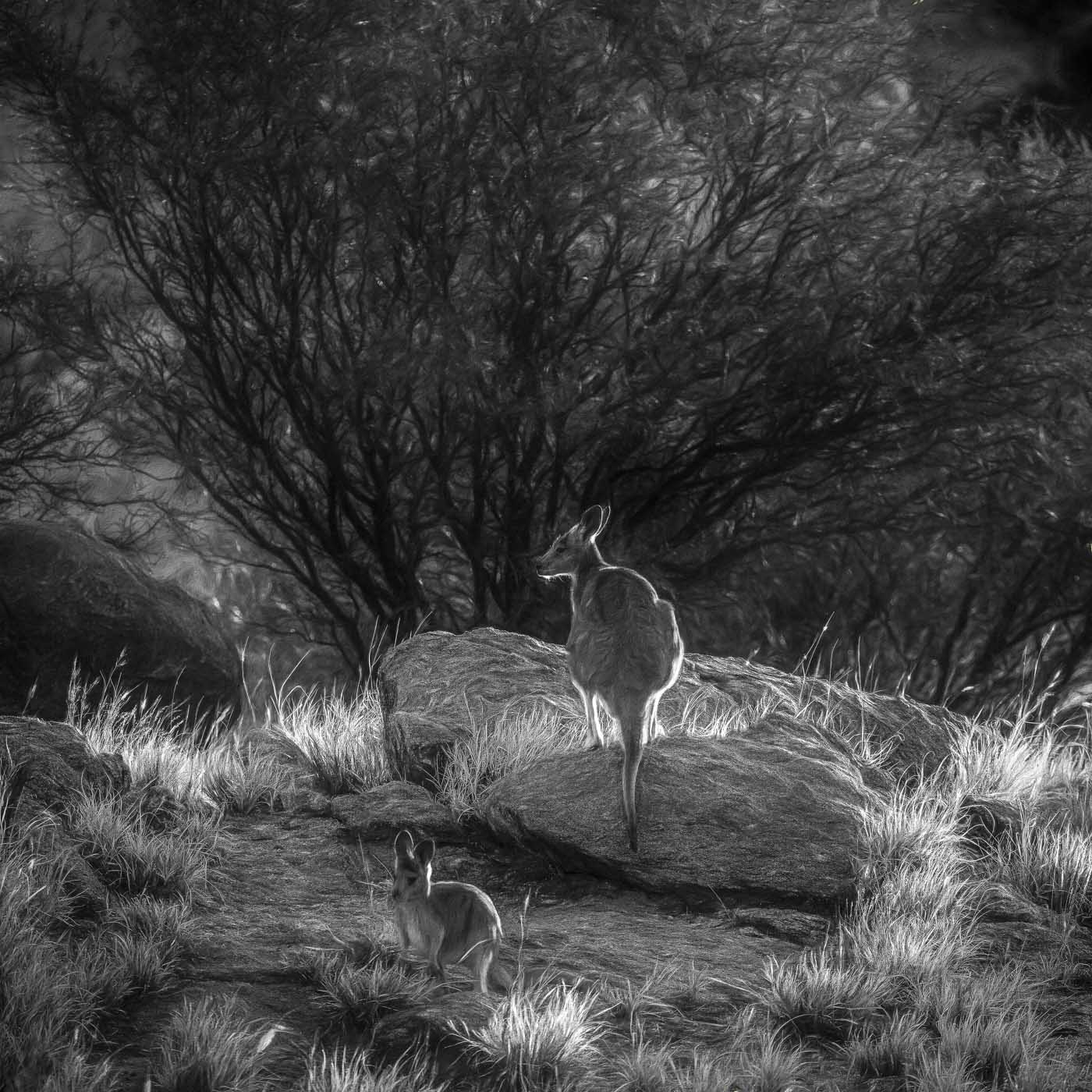
Above left: Joey Mareeba rock wallabies are a sheer joy to watch. I envy their level of energy, and certainly their incredible agility. Above right: The iconic yellow-footed rock-wallaby is limited to rocky escarpments in limited areas in Queensland, New South Wales and their comparative stronghold, the Flinders Ranges, South Australia.
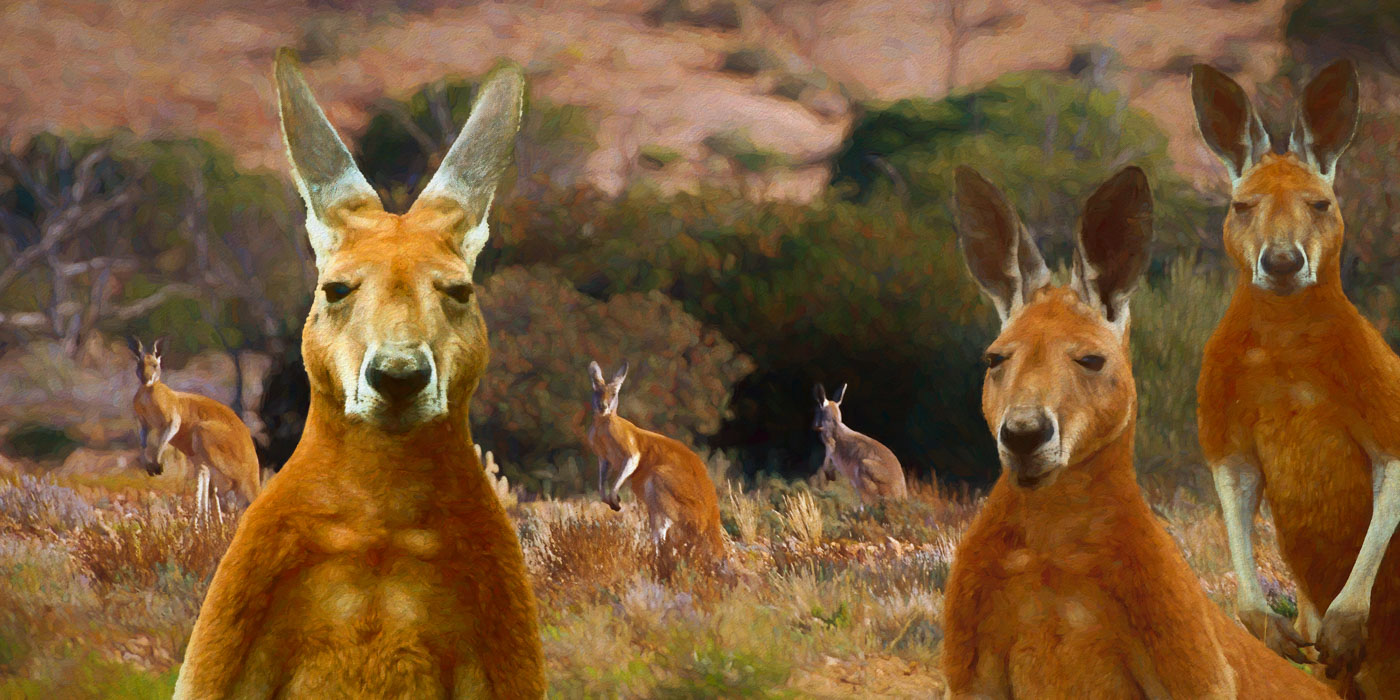
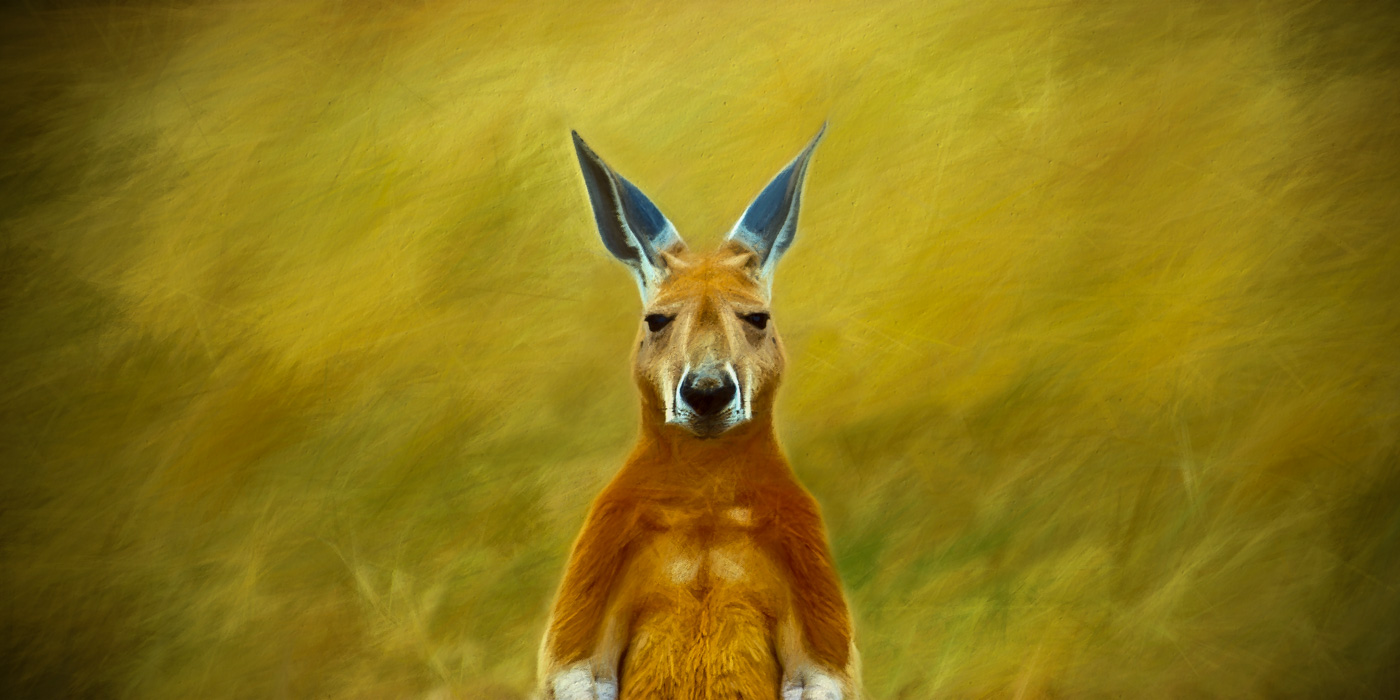
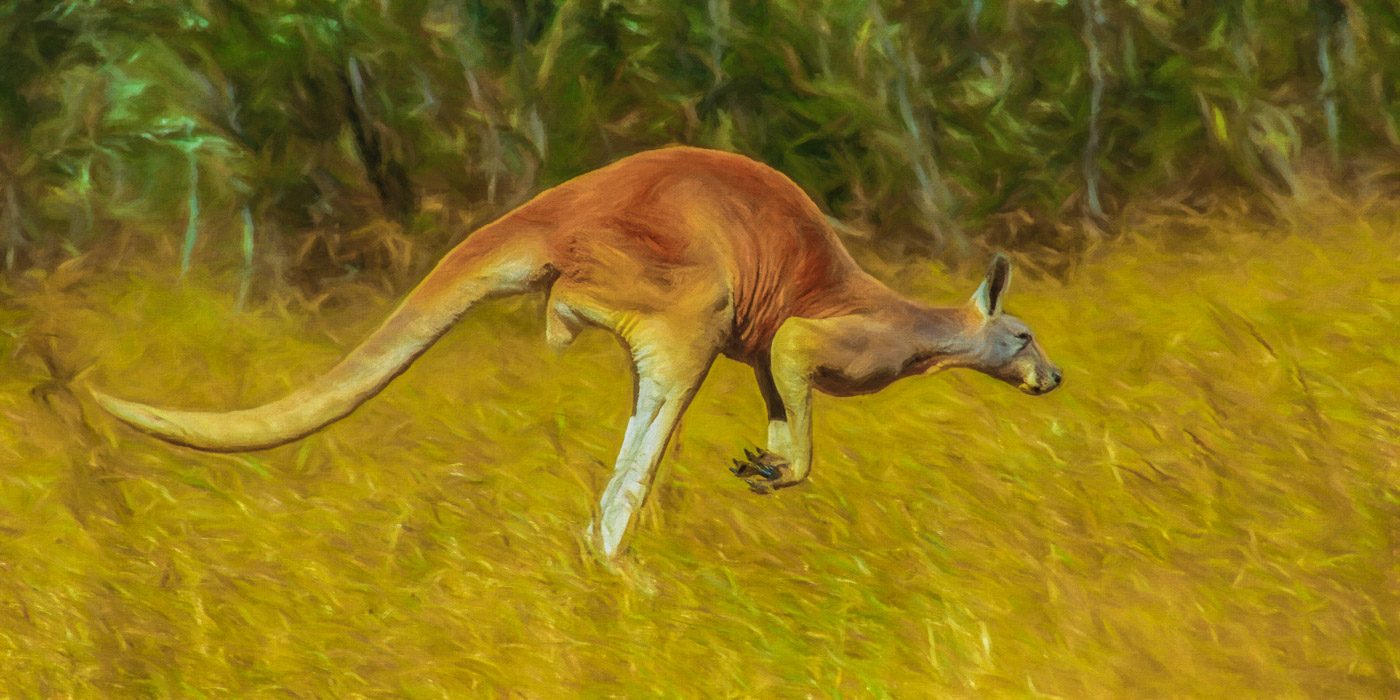
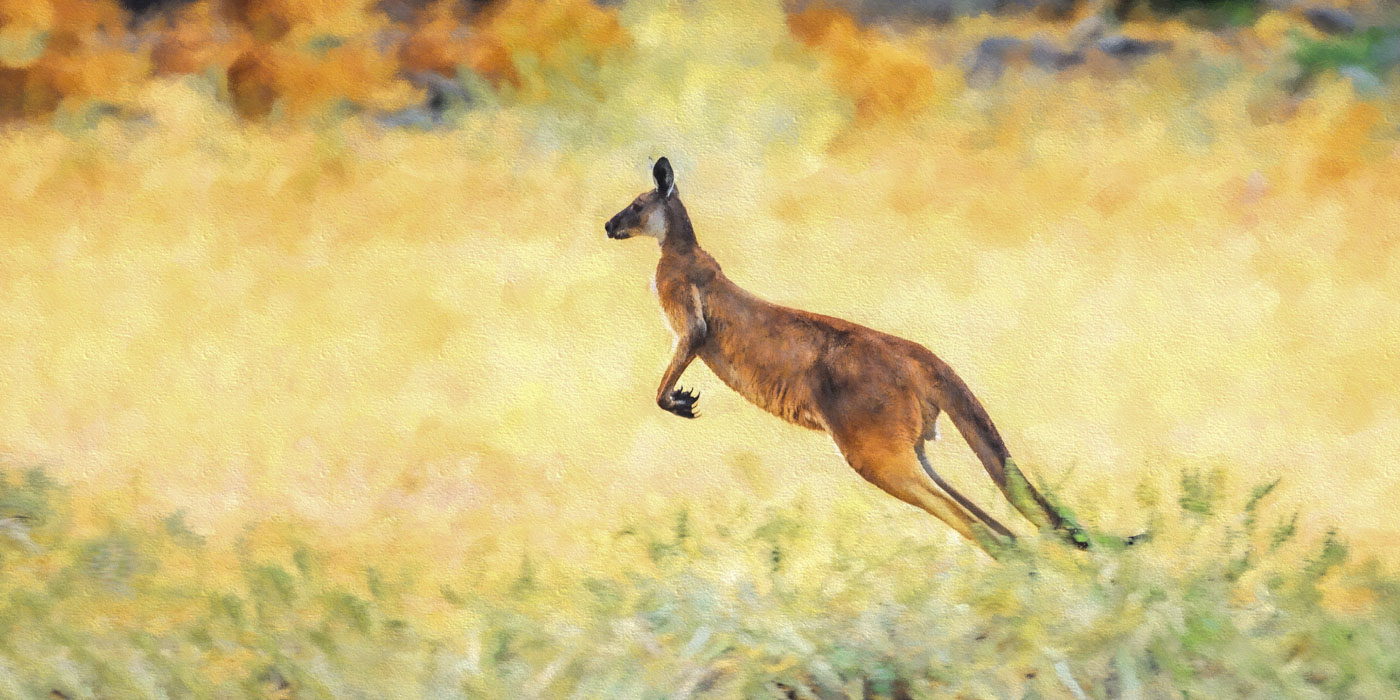

Kangaroos and Wallabies Gallery