
The Art of Seeing Art
Steve Parish on the art of seeing in photography
A reflection drawn from Module 3 of the Photography: A Pathway to Purpose Masterclass
“Mastering light is a skill; seeing perspective and design is vision.
Photography thrives where the two converge.” — Steve Parish
The phrase The Art of Seeing Art can sound puzzling at first. A student recently rang me and wondered if it was a tautology. That is understandable. But the phrase points to something central to photography, and to the way meaningful images begin.
It is not about photographing paintings.
It is not about art looking at art.
It is about learning to see the world artistically before the camera is raised.
Before a strong photograph is made, before aperture, shutter speed or lens choice come into play, something more important happens first. We notice. We pause. We feel. We recognise that something in the world before us carries mood, meaning, design or emotional resonance.
That first act of perception is where photography truly begins.
Seeing is not the same as looking
Most people look. Far fewer truly see.
Looking is often quick and practical. We register what is there and move on. Seeing is different. Seeing asks for attention, stillness and presence. It asks us to remain with a place or moment long enough for something deeper to reveal itself.
This matters because a camera can only respond to what the eye and heart have first recognised.
A technically competent photograph may describe a place accurately, yet still fail to carry the feeling of being there. We have all had that experience. We return home, review the images, and wonder where the wind in our hair went, or the scent of eucalyptus, the movement of birds, the warmth of light on our skin. The scene is there, but the life of the moment has somehow slipped away.
Presence is part of seeing. When we are fully present, we begin to notice more than subject matter. We notice mood, relationship, rhythm, atmosphere and emotional tone. We stop skimming over the world and begin receiving it more deeply.
That is why seeing matters so much. Photography is not only about recording appearance. It is about recognising presence.
Why seeing comes before technique
Technique matters. Camera craft matters. Composition, timing, exposure and focus all matter. But they work best when they serve something deeper.
Too often, photographers begin with the question, ‘How do I photograph this?’ before first asking, ‘Why does this moment matter?’ or, ‘What is drawing me here?’
The art of seeing art restores the natural sequence.
First, become aware.
Then notice what is drawing your attention.
Then recognise the mood, the relationships, the qualities of light, form and feeling that are present.
Only then does technique become an intelligent response.
In my teaching, this sits at a pivotal point in the photographic process. Purpose shapes the way we approach the world. Projects give that purpose direction. But seeing is the bridge between inner intent and outward expression. It is where the world begins to reveal itself in a more meaningful way.
Strong photographs do not begin with the shutter.
They begin with seeing.

What shapes the way we see
The way we see is shaped by more than eyesight.
It is shaped by presence, contemplation, feeling, experience, memory and influence. It is shaped by what we have loved, what has moved us, what we have studied, and what we have returned to over many years.
Contemplation plays an important role here. When we slow down enough to fully enter a place, creative possibilities open. Observation, reflection and imagination are not luxuries in photography. They are part of the process. They deepen not only image-making, but also interpretation and storytelling.
Light is central to the art of seeing. Not simply as something to manage technically, but as something that changes mood, presence and meaning. Season, time of day, wind, cloud, stillness, diffused light, backlight, storm light, twilight and even harsh light each reveal the world differently. To see artistically is to become sensitive to these shifts — to recognise that light is not merely illumination, but one of photography’s great emotional and expressive forces.
Influence matters too, often in quiet ways. Images, books, films, places and life experiences settle into us over time and shape what we instinctively notice. In my own life, publications like National Geographic had a profound influence on how I saw the world long before I understood photography as a craft. Those influences did not dictate style, but they expanded awareness.
Culture and history also shape perception. The way we learn to respond to simplicity, drama, space, colour, light or story is not formed in isolation. It develops over time through what we are exposed to and what we value. Yet the most meaningful art also reaches beyond culture into something shared — memory, wonder, tenderness, curiosity, connection.
Over time, a photographer’s seeing evolves. Preferences shift. Sensitivities deepen. A distinctive way of noticing the world gradually emerges.
Why this is the focus of my teaching
This is why The Art of Seeing Art holds such an important place in my teaching.
Yes, all the other parts of the broader pathway are essential. A defined creative life purpose matters. Projects matter. Camera craft matters. Interpretation matters. Sharing matters. But seeing sits near the heart of everything that follows.
Whether I am teaching in a weekend workshop or through the online Masterclass, the deeper aim is not simply to help people make technically correct photographs. It is to help them encounter the world with greater attentiveness, sensitivity and depth. It is to recognise how meaning begins. It is to understand that awareness shapes expression long before the camera is used.
In that sense, The Art of Seeing Art is not a phrase for its own sake. It is a way of naming a real and important shift in photographic practice: the movement from simply looking at the world to perceiving it artistically.
When that shift happens, photography changes.
We become less concerned with collecting images and more concerned with receiving experience. We become more patient, more thoughtful, and more responsive to what is actually present. The photograph becomes not only a record, but a response.
A final thought
So what do I mean by The Art of Seeing Art?
I mean learning to recognise the artistic possibilities already present in the world before the photograph is made.
I mean moving beyond looking into felt perception.
I mean understanding that light, atmosphere, design, timing and emotional response are not extras in photography. They are part of the ground from which meaningful images arise.
And I mean that one of the most important steps in becoming a more expressive photographer is learning to see with greater depth, awareness and presence.
That is the heart of my teaching on and offline.
Not every reward of seeing arrives slowly. Sometimes a moment appears without warning — and when it does, readiness matters. A few confident camera habits remove friction, so your attention stays free to notice design, light, and feeling as they arrive.
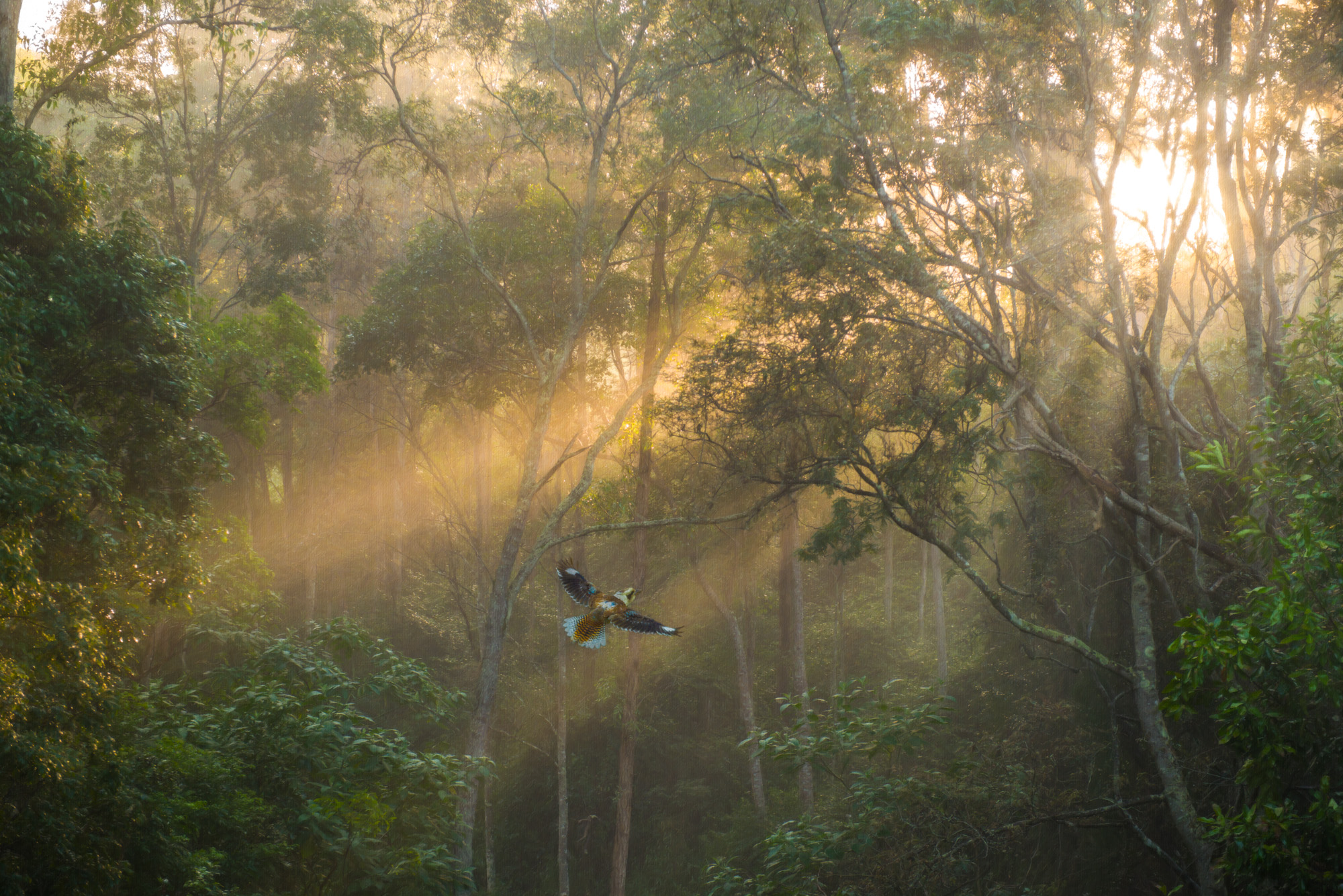
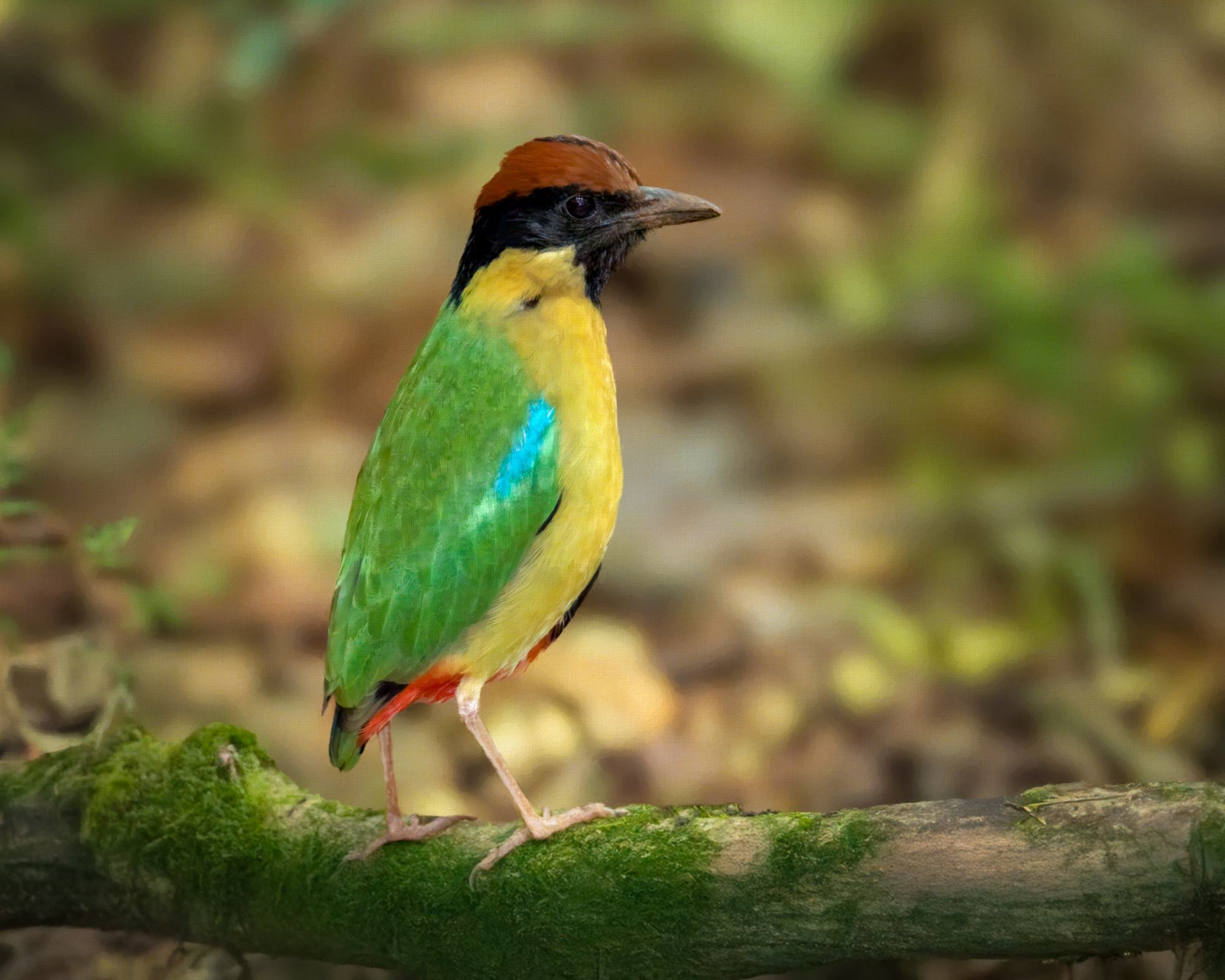
Noisy Pitta, Mary Cairncross Rainforest — photographed during an Art of Seeing Art weekend workshop, where we slow down long enough for moments like this to arrive.
Continue the journey
If this reflection resonates with you, you’re welcome to continue in two ways:
explore the Photography: A Pathway to Purpose Masterclass,
or join me for the Art of Seeing Art weekend workshop.